

Inequalities at The Triennale Milano
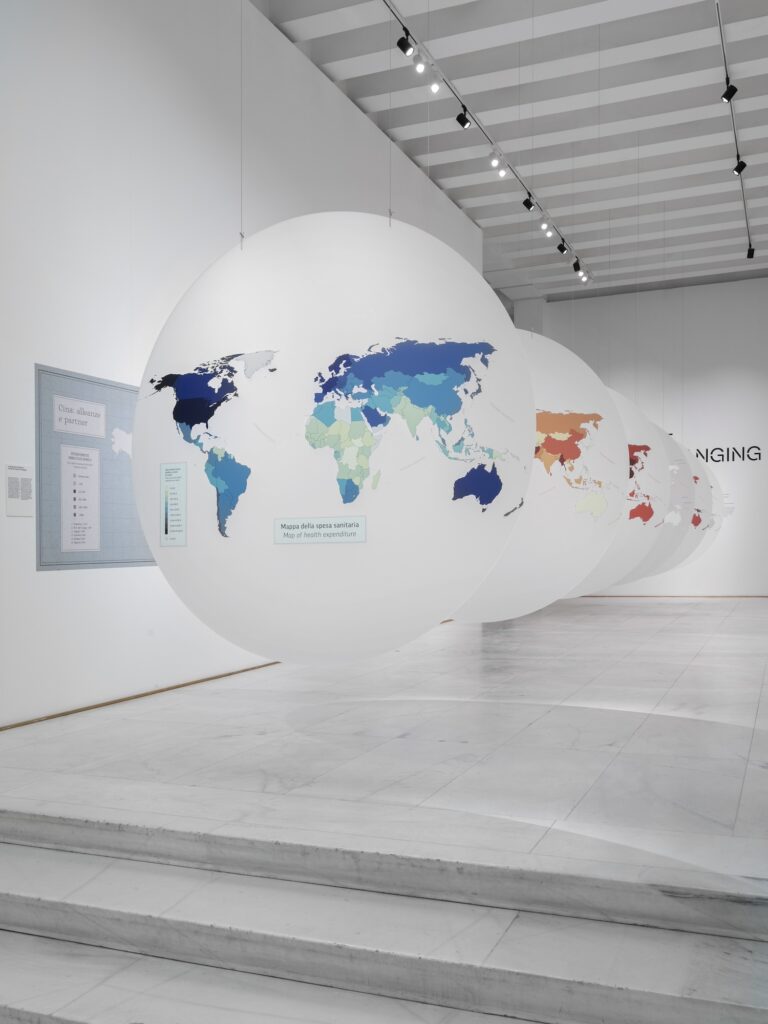
The Triennale Milano marks its 24th International Exhibition with Inequalities. Bringing together architects, artists, scholars, and scientists from around the world, with Inequalities, the Triennale becomes a a space of deep reflection on one of the most urgent issues of our time.
As the Triennale Milano marks its 24th International Exhibition, it turns its focus inward—to the human condition, with a poignant and politically charged theme: Inequalities. Running from May 13 to November 9, 2025, the exhibition is a culmination of a trilogy that previously explored sustainability (Broken Nature, 2019) and the mysteries of the cosmos (Unknown Unknowns, 2022). This year, under the stewardship of Stefano Boeri, the Triennale becomes a space of deep reflection on one of the most urgent issues of our time.
With its roots stretching back to 1923, Triennale Milano has long served as a cultural barometer, registering the pulse of global design, art, and architecture. Boeri’s vision for Inequalities is no exception: “We will explore how inequality—whether inherited at birth, encountered along the way, or shaped by our own actions—impacts life expectancy and health for each of us,” he writes. The exhibition is a call not only to observe disparities but to transform them into generative differences.
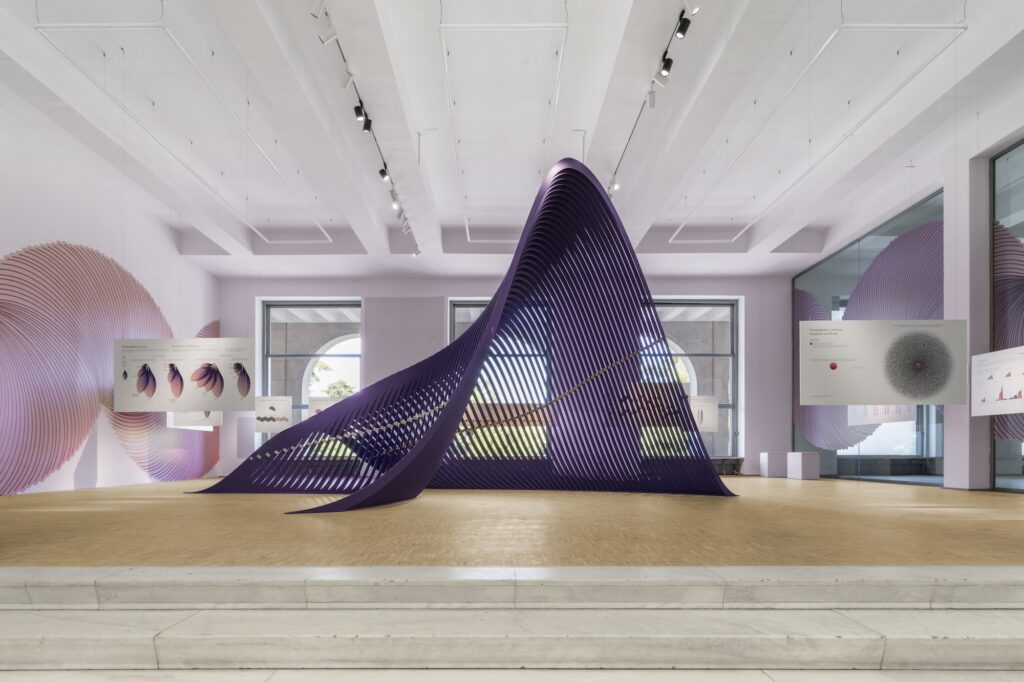
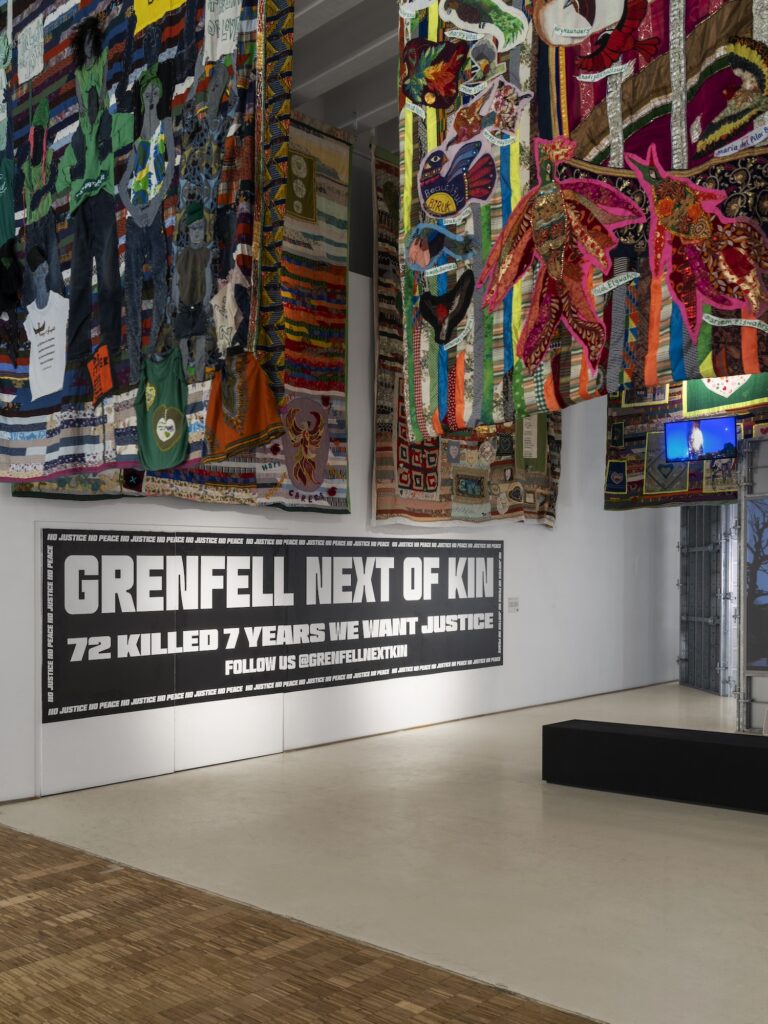
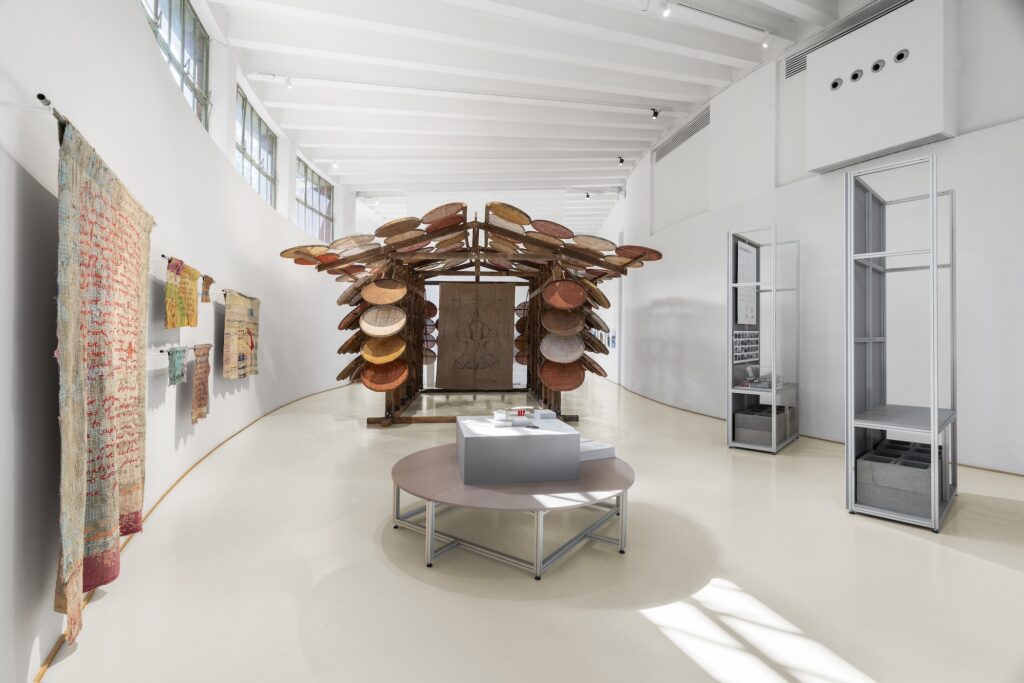
Bringing together architects, artists, scholars, and scientists from around the world, the curatorial approach includes two main themes: the geopolitics and biopolitics of inequality. The ground floor of the museum explores the former, focusing on the urban and territorial scale. Nina Bassoli’s Cities exhibition, for example, constructs a conceptual atlas of inequality across urban spaces, opening with Amos Gitai’s The Book of Amos and Kimia Zabihyan’s searing account of the Grenfell Tower fire. The Norman Foster Foundation contributes with Towards a More Equal Future, examining architectural solutions to housing disparities.
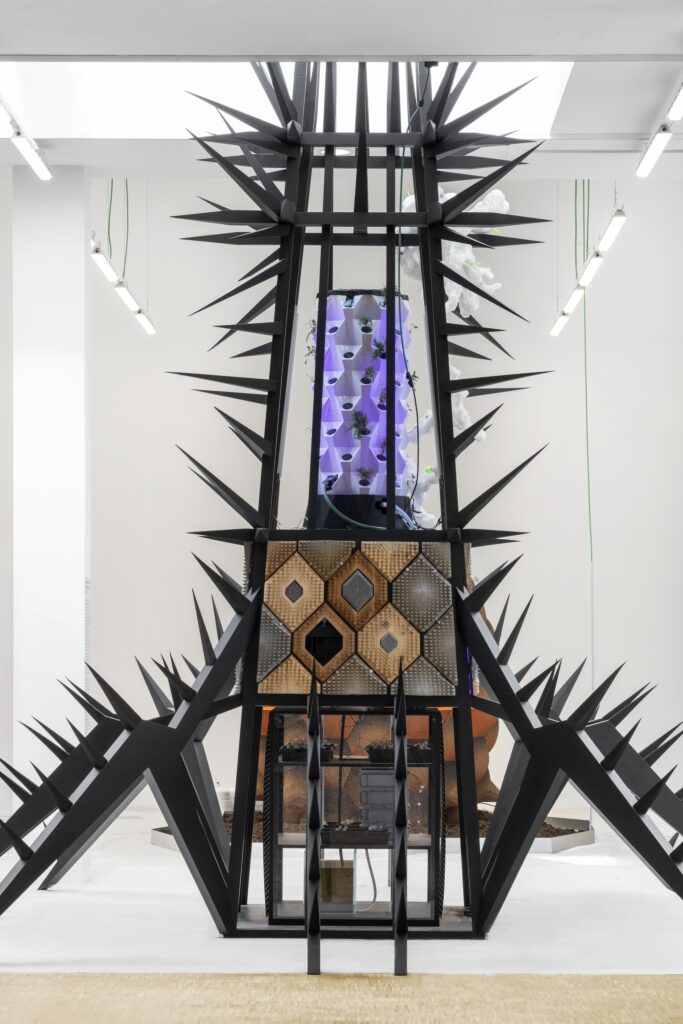
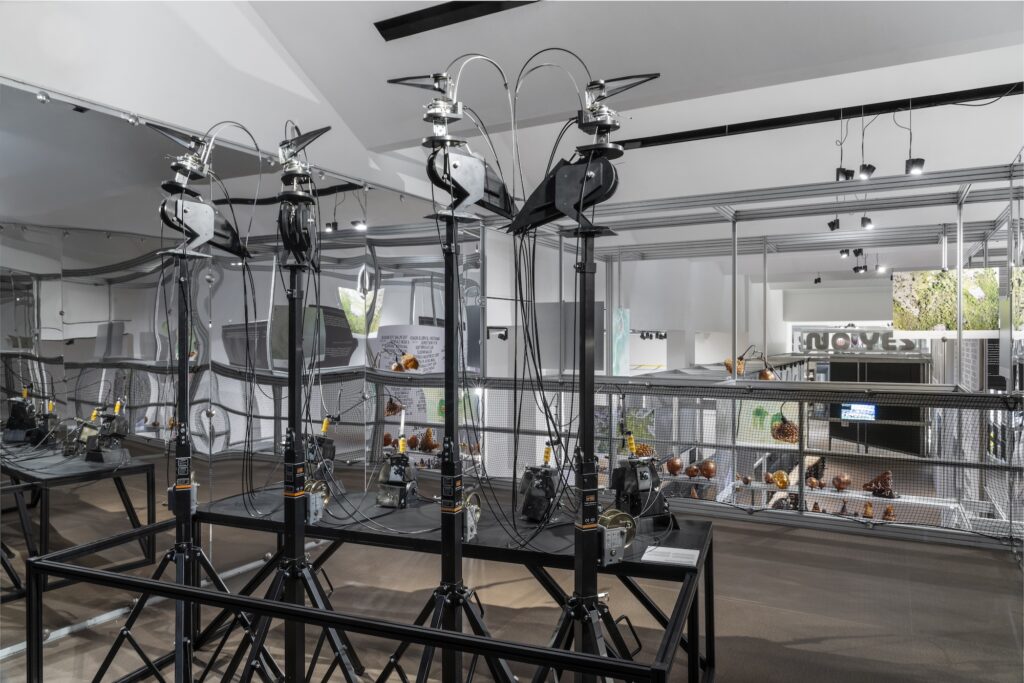
On the upper floor, the biopolitical lens reframes inequality through bodies, health, and life chances. We the Bacteria: Notes Toward Biotic Architecture, curated by Beatriz Colomina and Mark Wigley, investigates how microbial ecosystems relate to spatial design and health inequality. In The Republic of Longevity, Marco Sammicheli and Nic Palmarini interrogate how longevity—often tied to wealth and geography—is becoming the most unequal of modern riches.
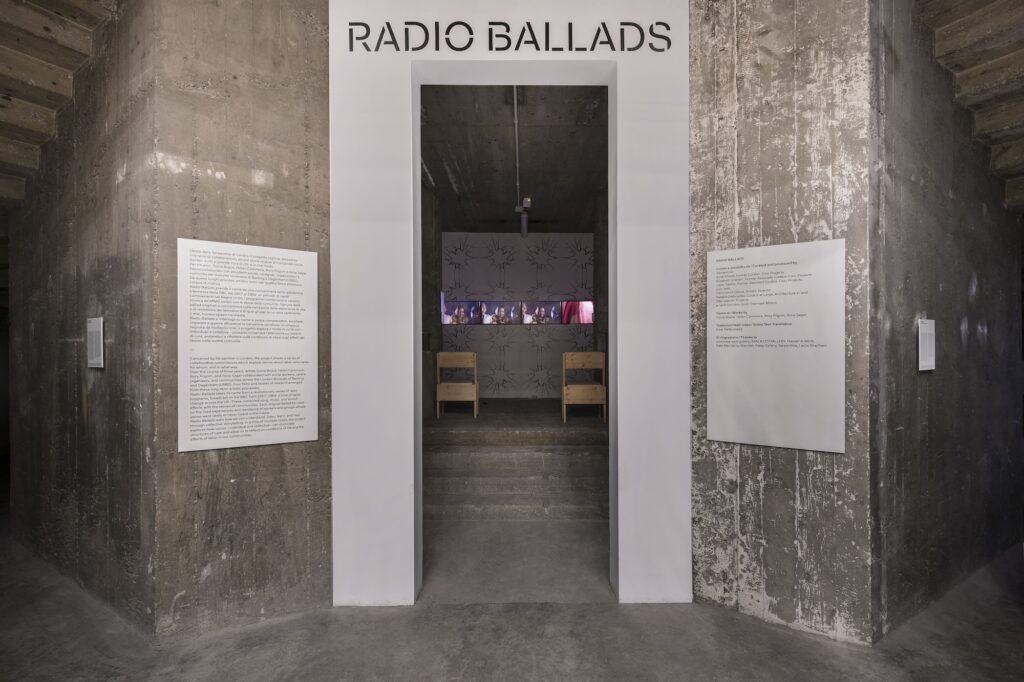
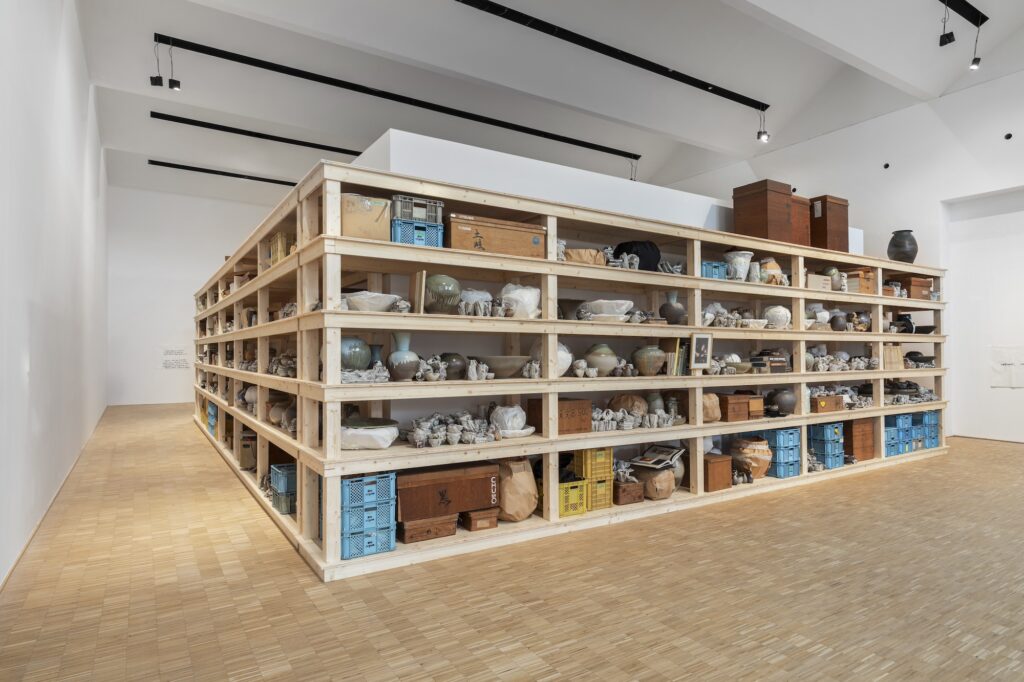
Hans Ulrich Obrist co-presents Radio Ballads, a moving exploration of caregiving and mental health through contemporary artistic narratives; Theaster Gates’ Clay Corpus meditates on cultural memory and resistance through ceramics; Elizabeth Diller and Diller Scofidio + Renfro delve into built environments as biological spaces.
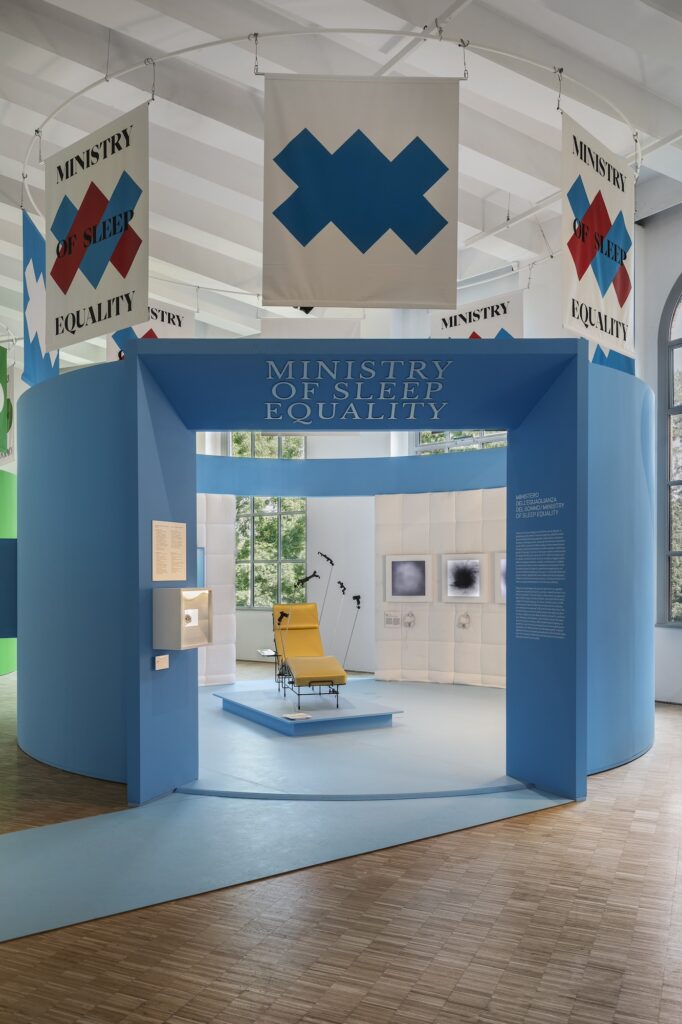
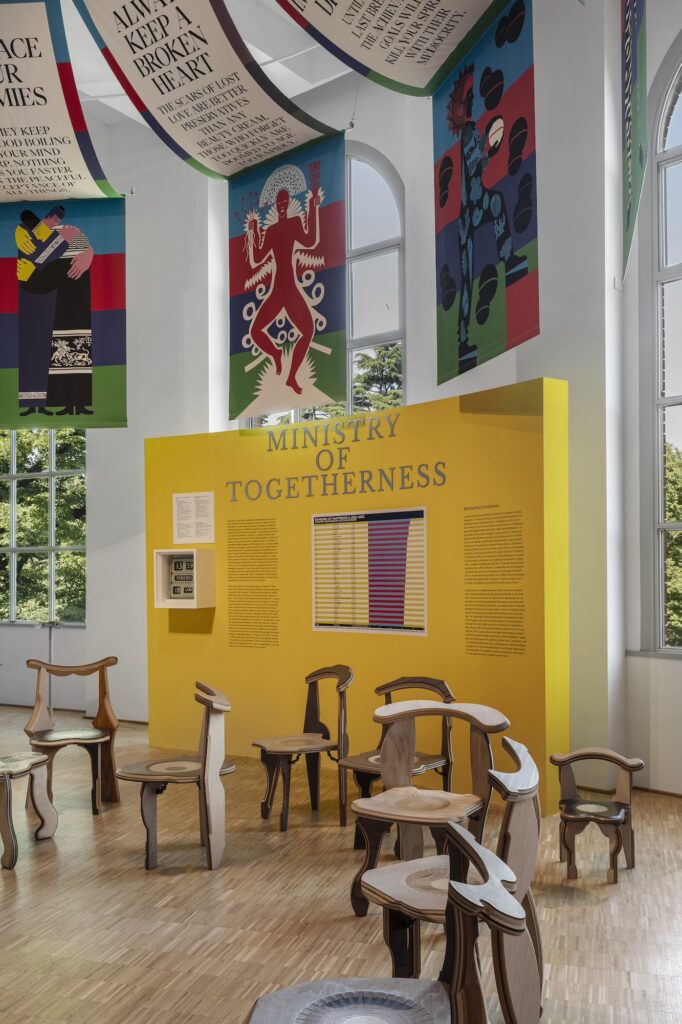
The subject of inequality is undeniably complex, and what makes this exhibition stand out is its multidimensional approach. Instead of presenting a single, reductive narrative, Inequalities embraces contradiction: it shows how disparity is both global and local, systemic and bodily, statistical and emotional.
Importantly, the Triennale has also extended its reach beyond its iconic headquarters. A mobile installation designed by Orizzontale Studio takes the themes of Inequalities on tour across Milan’s municipalities, engaging local communities with workshops and performances. Meanwhile, international pavilions—each focused on a city—create a global dialogue on how inequality manifests and can be redressed through policy and design.
In addition to the exhibitions and public programming, there are two editorial publications; One is published by Electrca, with graphic design by Pentagram, and presents the curatorial and artistic projects presented in the exhibition. The second publication, available this fall, is made in collaboration with “Lotus”, that will be a series of three magazine issues on the theme of inequality.
Inequalities is on view at the Triennale Milano between May 13-November 9th, 2025.

Articles you also might like
The 18th edition of PAD London is currently underway, with 67 galleries participating from 18 countries across the UK, Europe, Asia, the US and the Middle East. The fair closes on Sunday, October 18th.

After decades shaping the visual language of fashion and culture on a global scale, Alexandre de Betak starts a new chapter, working on his own artistic projects.

At Spazio Nobile’s 10th anniversary, philosopher and visual artist Benoît Maire and scenographer Marie Corbin turn the fleeting moment of a “crush” into a meditation on art, objects, and the gaze. A dialogue between applied and fine arts where nothing is fixed, and everything shimmers between observation and oblivion.
Triennale Milano pays homage to one of Italian design’s most radical minds — Andrea Branzi — through the eyes of his longtime friend and collaborator, Toyo Ito.