

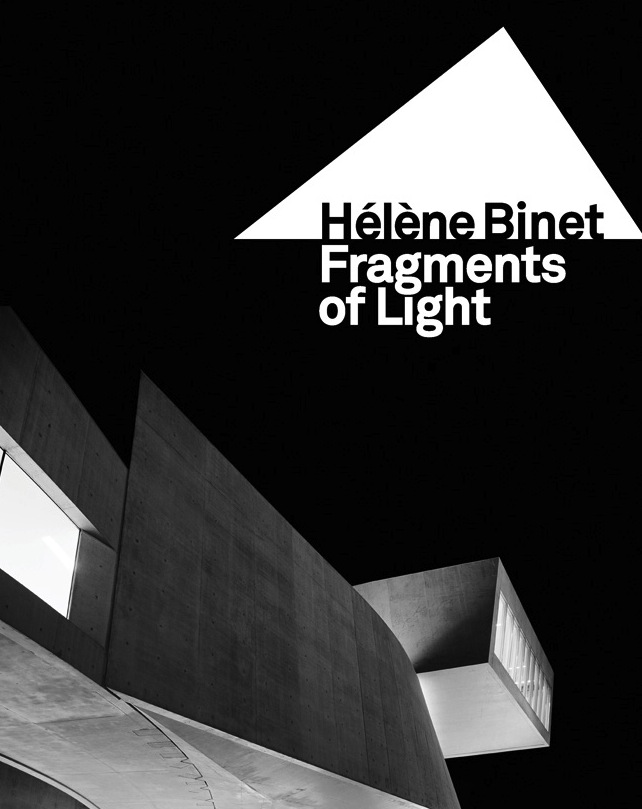
Hélène Binet – the 2015 recipient of the Julius Shulman Institute Excellence in Photography Award
The Julius Shulman Institute (JSI) promotes understanding and appreciation of photography of the built environment. Architectural photographer Julius Shulman founded the Institute at Woodbury University in 2005 spurred by his passion for education. Each year the Institute present the prestigious JSI Excellence in Photography Award to a photographer who honours Shulman’s legacy and mission by challenging the way we look at physical space. TLmag 22-featured Hélène Binet is this year’s recipient.
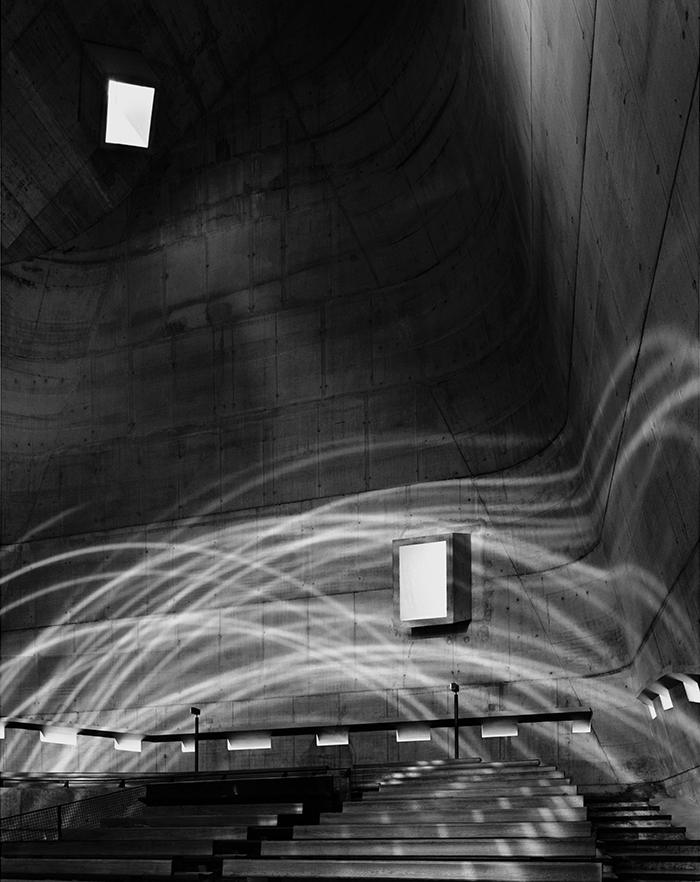
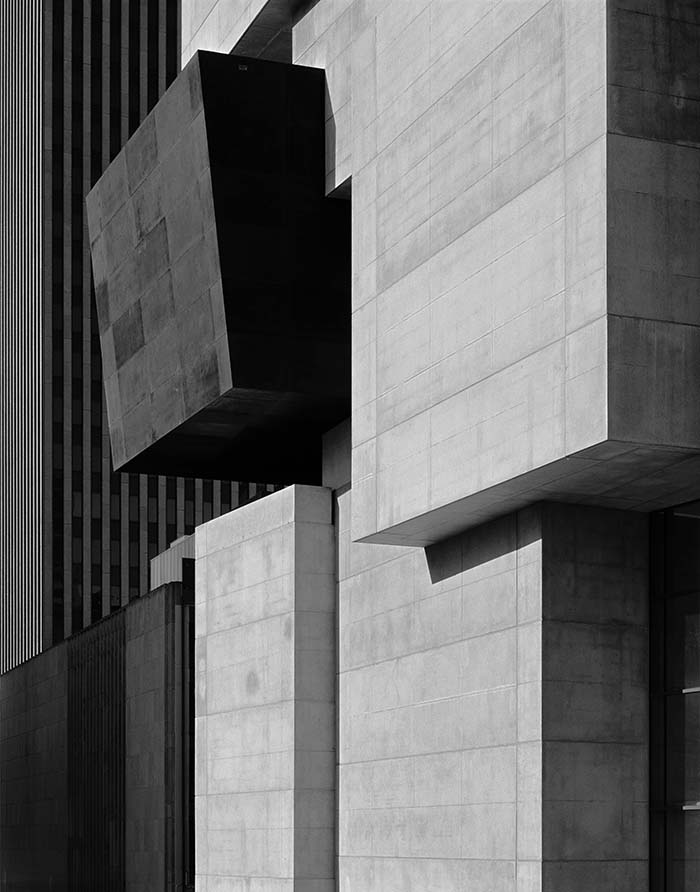
For the past 25 years, Binet has photographed the work of leading contemporary and historical architects; notably Zaha Hadid, Daniel Libeskind, and Peter Zumthor. Her work captures the atmospheric qualities of architecture and emphasises the interaction between structure and natural light. Her photographs help us rediscover fleeting moments of visual access, manifested in tightly cropped details.
The ‘Hélène Binet: Fragments of Lights’ exhibition runs until 29 Mars 2015 at Wuho Gallery in Los Angeles.

Articles you also might like
“The work of the ten selected participating designers this year carry forms of tacit, sometimes esoteric knowledge – knowledge embedded in the hand, the body and the material itself,” write Christian and Jade, curators of The Mindcraft Exhibition, which opens on September 23, 2026. TL Mag spoke to the designers ahead of the opening.
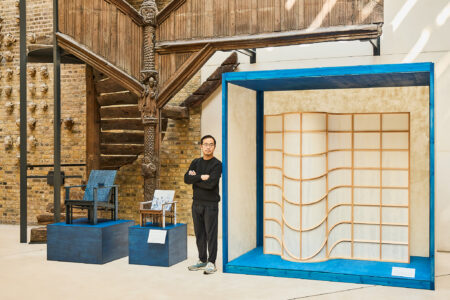
The 2nd edition of Craft x Tech was presented at the V&A during London Design Festival 2026, and featured six new collaborations pairing Tokai artisans with international designers and artists. Together, they explored new creative possibilities and produced contemporary works that celebrate the continuing relevance of traditional craftsmanship.
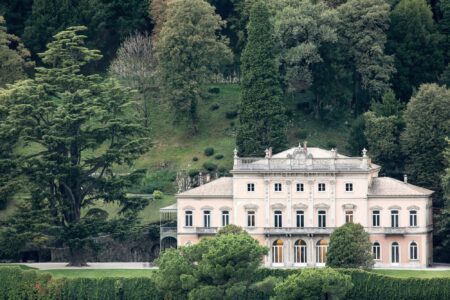
The city of Como is transformed into a design destination for the 8th edition of Lake Como Design Festival, which takes place between September 12-20, 2026.
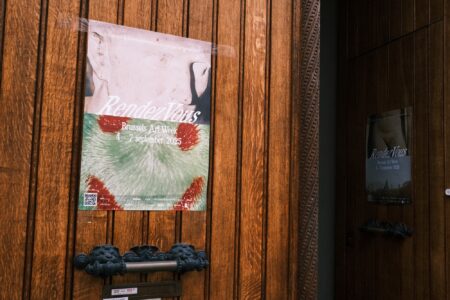
RendezVous – Brussels Art Week kicks off the city’s fall art season with nearly 100 participating venues across the city hosting events, exhibitions, and talks all weekend long.