

De La Espada: Enduring, Handcrafted Design
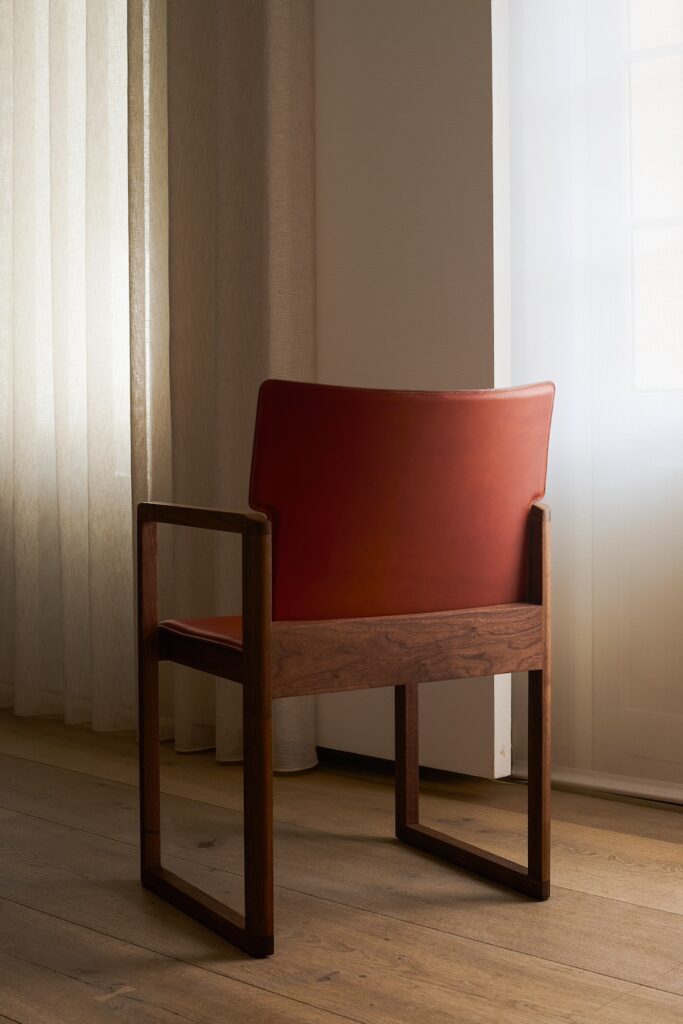
From a barn in rural Spain, to a small showroom in London, to collections with designers including Neri & Hu, Manuel Aires Mateus and Sam Baron, De La Espada continues to innovate and expand while always staying true to its belief in slow, handcrafted design.
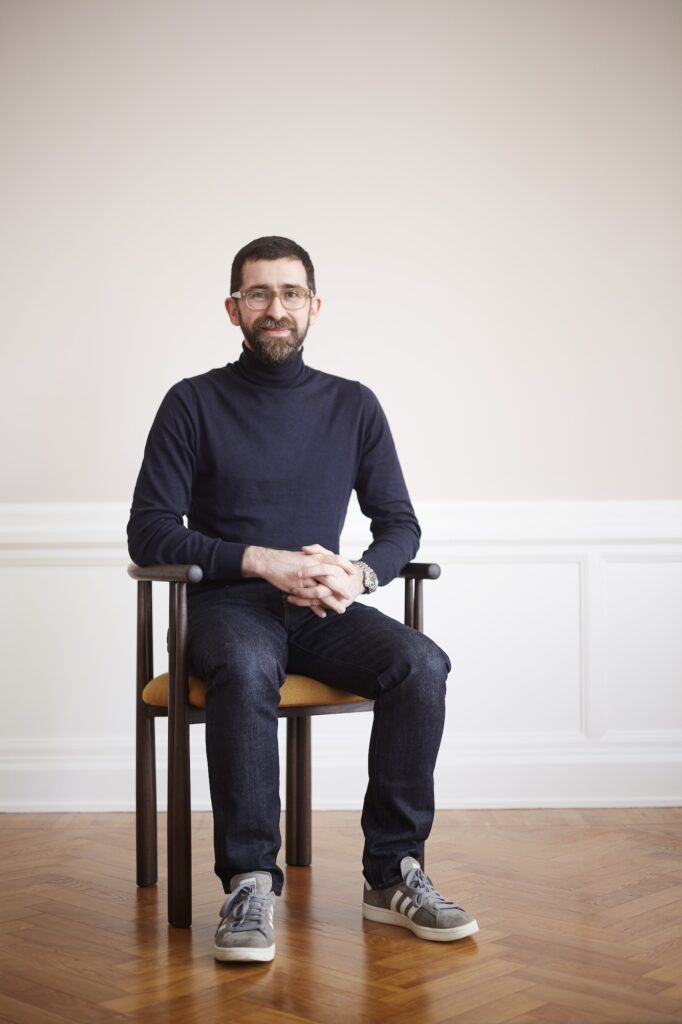
Luis De Oliveira has a disarming way about him. His genuine, open and curious demeanour is emblematic of De La Espada, the company that he started with his wife, Fatima, 32-years ago, when they were just out of college. De La Espada has the air of a centuries-old heritage brand thanks to the careful and intuitive approach the couple have taken to steadily grow it over the last three-decades. The pair started their business out of a barn in rural Spain, taking commissions for wooden tables, bookshelves or “whatever people wanted to order from us,” as De Oliveira comments, and learning how to upholster chairs and sofas. After three-years, they began to design their own line of furniture and in 1996, they took the plunge to open a small showroom in London, strategically located steps from the Conran Shop. “For about a decade,” De Oliveira explains, “our brand was tiny, with a small collection of furniture, in part because we were finding it difficult to find people to help make the furniture in Spain. At that time, many were leaving the country for Madrid. But I had it in my head that I wanted another shop and to keep growing.” In the mid-2000s a friend of Luis’s family called up to say he had a factory in Portugal that he wanted to sell and thought he might be interested. While it was an uncertain gamble at the time, they went for it. “We stepped in at a great time in Portugal, just before it started to grow production in crafts, but it was a huge shift. We kept all the inventory and materials but now we had about 30 people to train and explain that we wanted it all handmade,” he says. Today, 22 years later, there are 100 people working there and they have filled the building. “It was not part of my plan, but it really grew that way and we maintain ownership – we are custodians of our company, which is rare and we are proud of that.”
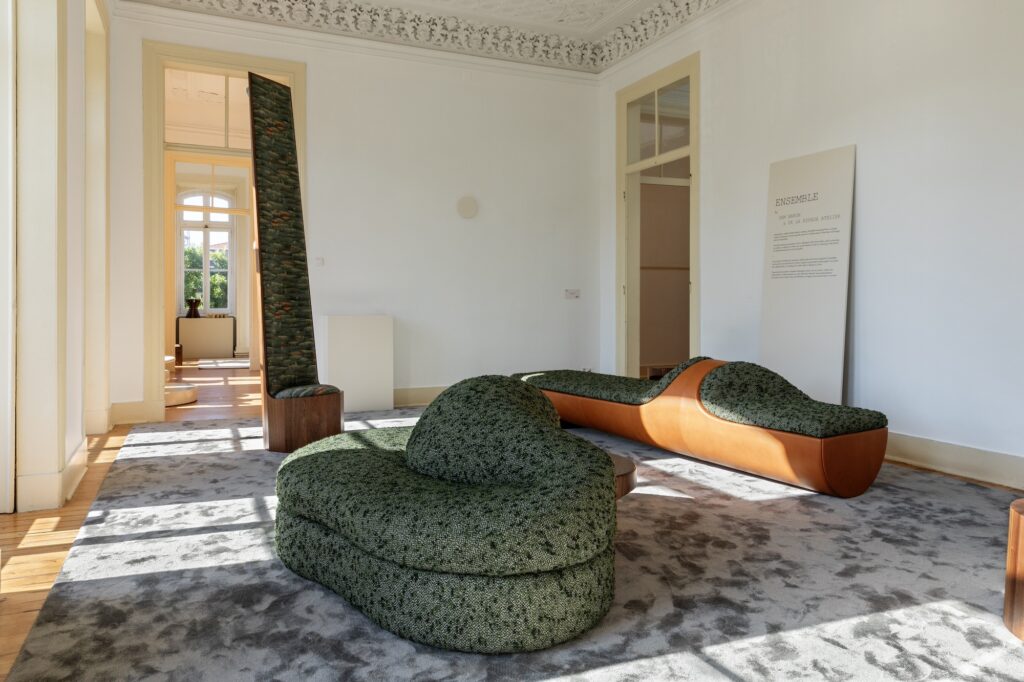
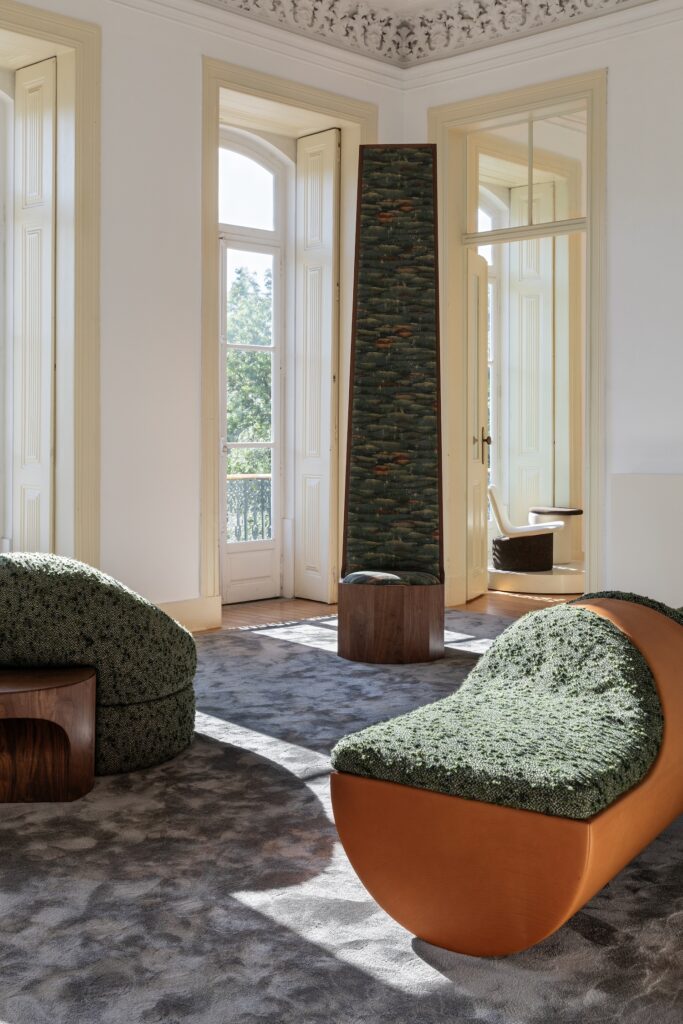
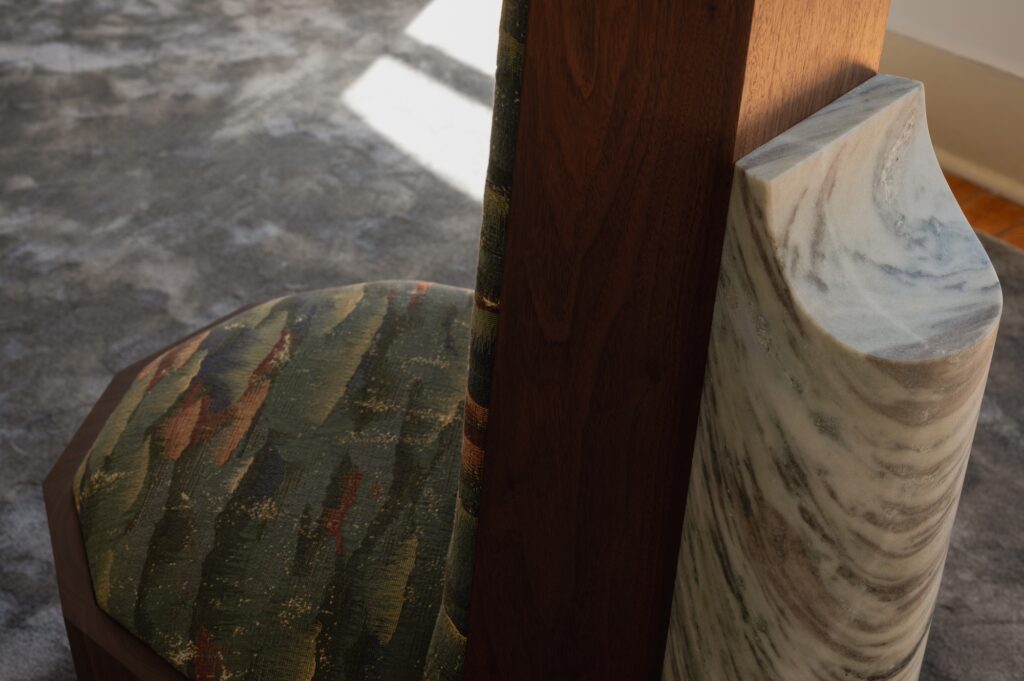
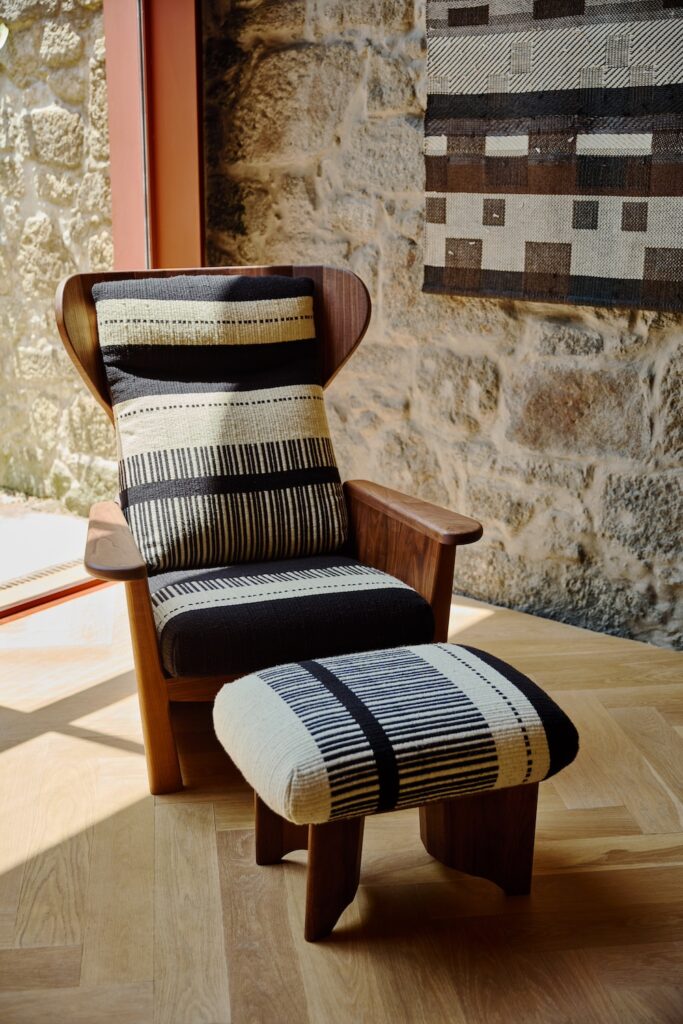
After about ten-years of in-house designing, De La Espada decided to open it up to other designers. “We went from mono to stereo,” De Oliveira explains, “and I wanted to give complete creative freedom to the designer.” One of the first designer-led collections was with Neri & Hu, a partnership that has endured for over a decade, with the designers launching their latest furniture collection with the brand, during 3 Days of Design. Like the brand’s non-conformist vision, the designers they have worked with are varied and have utilised the know-how of De La Espada’s artisans in unique ways. Among them are Portuguese architect Manuel Aires, who had never done a line of furniture before his collaboration with De La Espada, and Lisbon-based designer Sam Baron, who recently worked with eight members of De La Espada Atelier to create “Ensemble,” an experimental seating collection, and the first collectible design furniture for the brand.
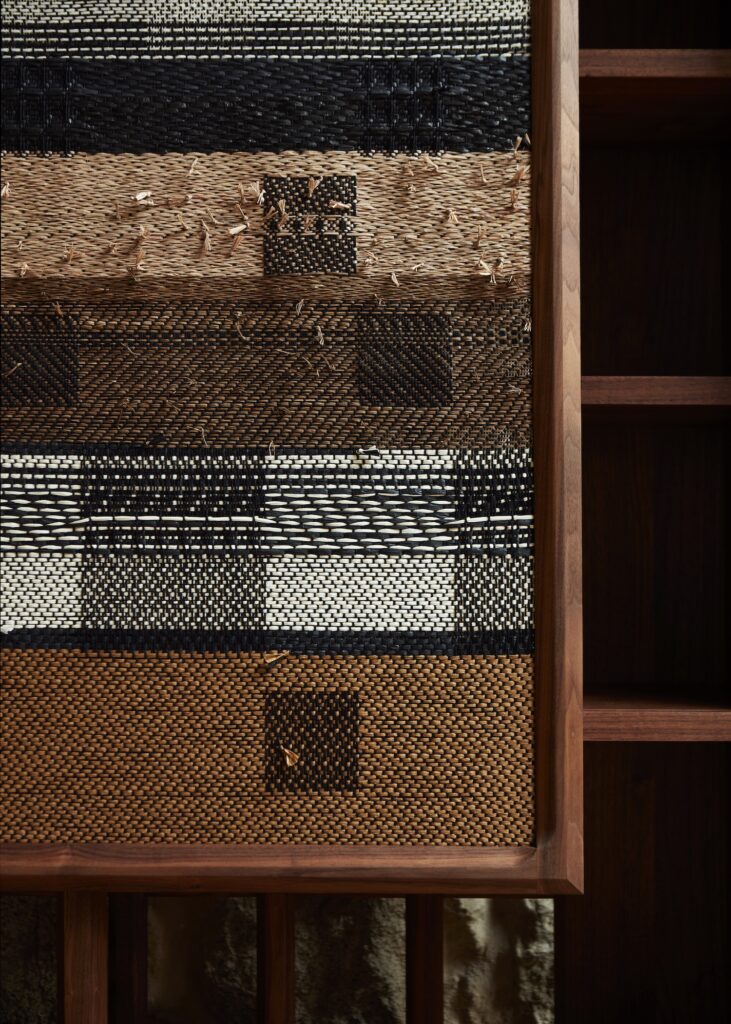
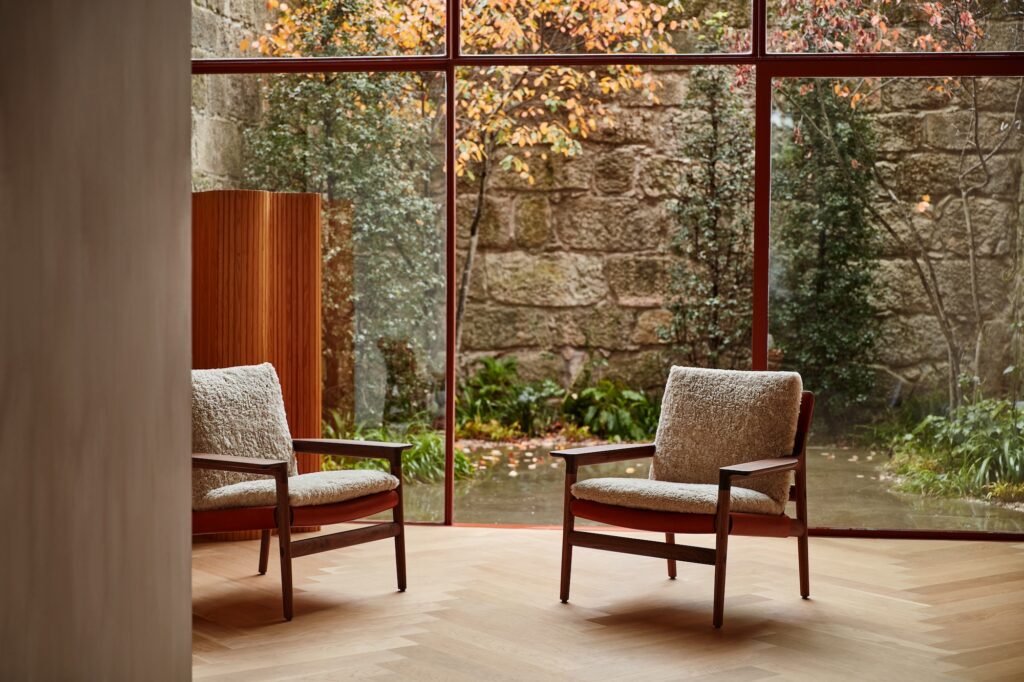
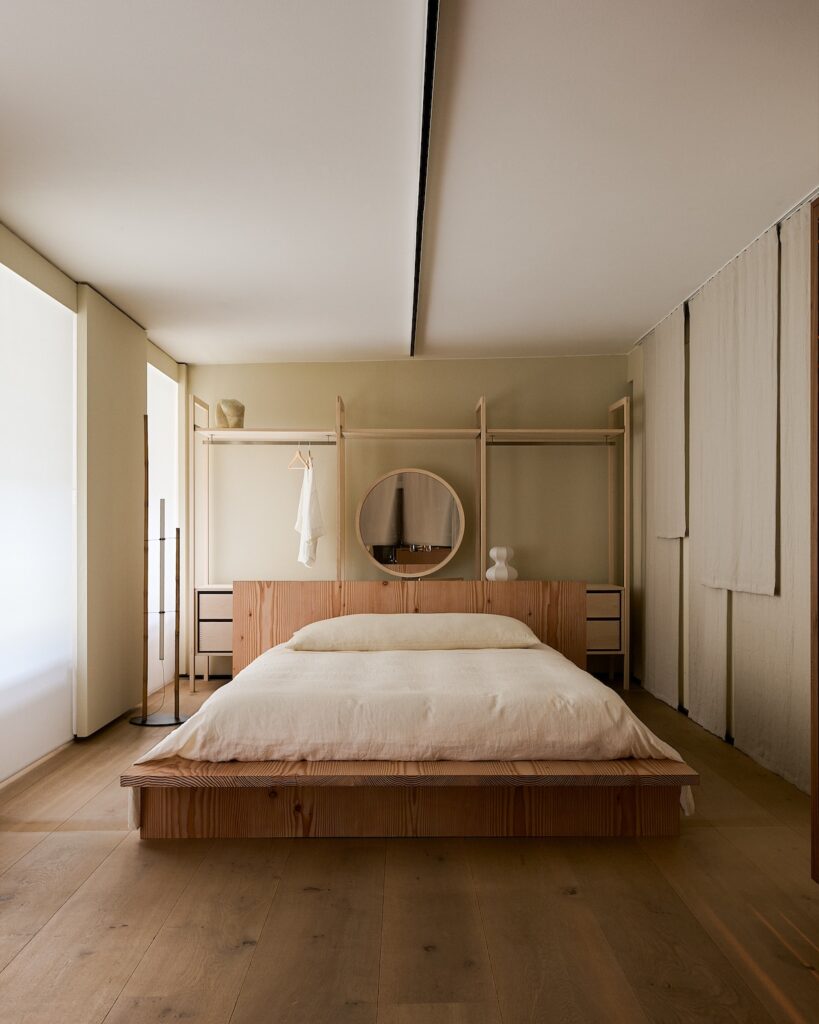
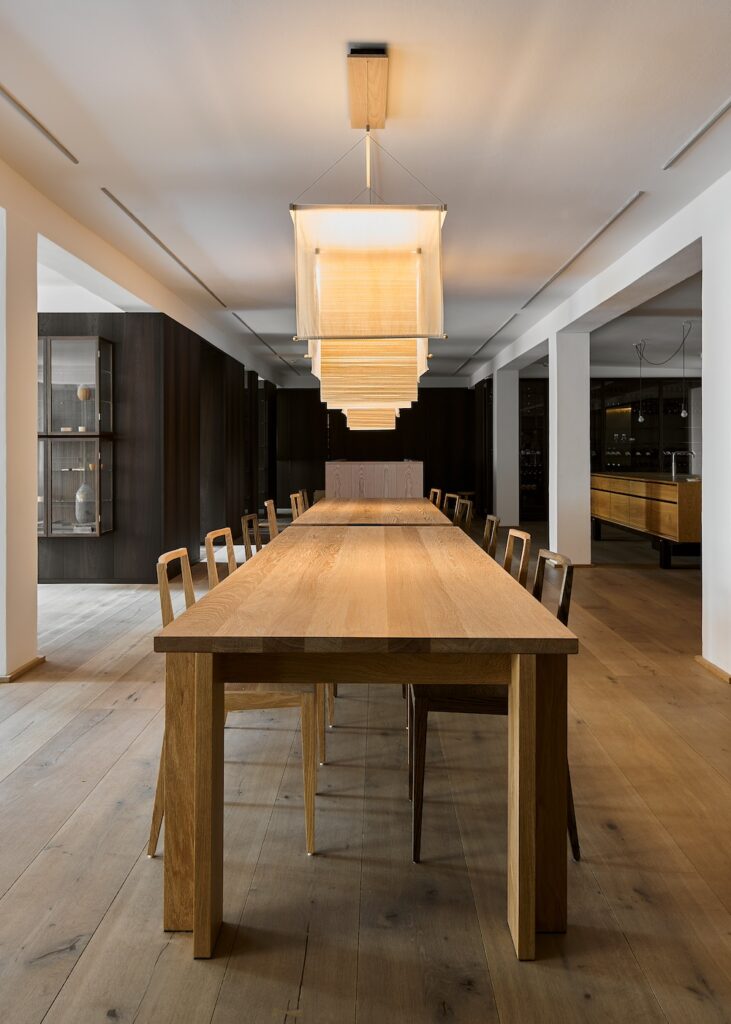
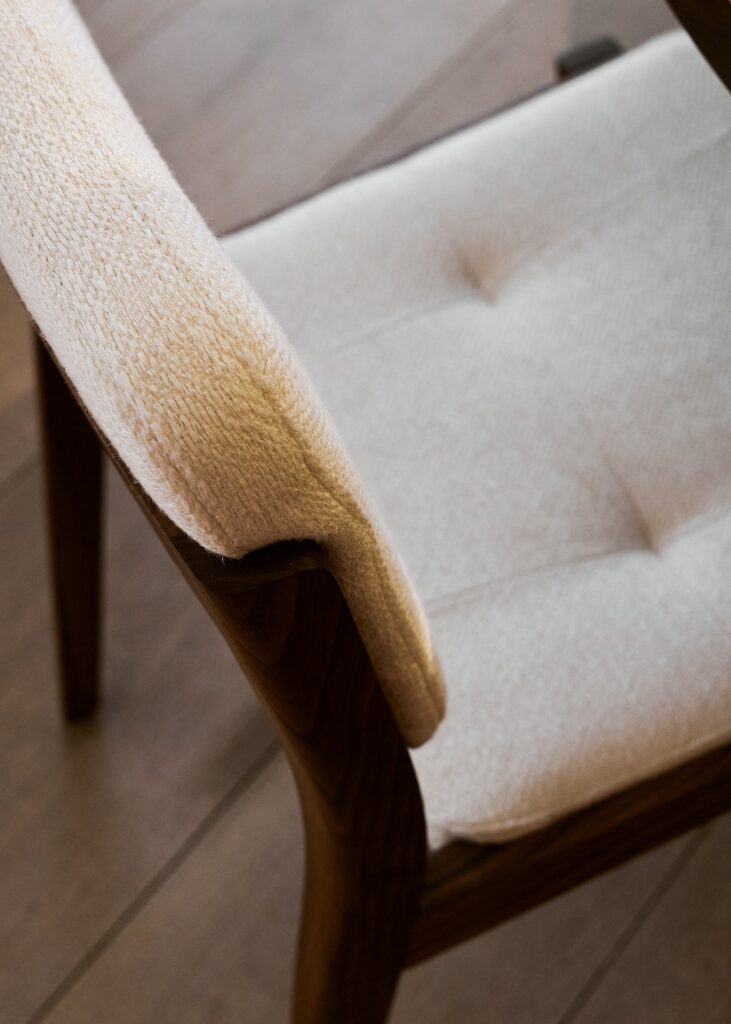
De Oliveira describes De La Espada as a “collection of stories,” not having to adhere to a specific brand look, “yet there is a coherence throughout.” This coherence is rooted in the handmade and in the expert handling of natural materials. Recently, the brand is giving additional focus to the Portuguese craft and design community, through support of projects such as the research-based cultural initiative, Passa Ao Futuro, the textile and artisan gathering, Xtant, as well as Lisbon Design Week and Lisbon by Design. At its core, De La Espada is a “maker’s environment,” where time and savoir-faire are given more emphasis than expanding the market. “We’ve been told for years that we need to simplify our message or vision, but I have rejected that,” De Oliveira states. “We remain a small business and I treat that as an advantage.”

Articles you also might like
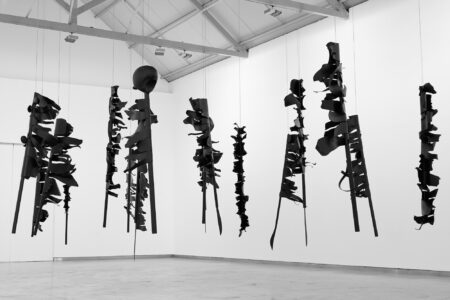
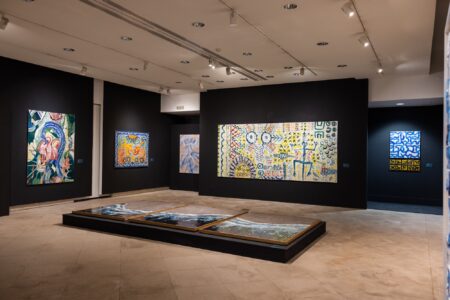
Lisbon Art Weekend returns for its 7th edition, taking place November 6-9th, a citywide celebration of contemporary visual art from Portugal and internationally. With more than 50 venues and 80 free events, Lisbon shines as a contemporary art capital.
Viúva Lamego is an icon of Portuguese ceramic traditions and after 175 years, is managing to lead the way with contemporary collaborations, from the tiled roof on Kengo Kuma’s design for the Gulbenkian Museum to Joana Vasconcelos’s wild ‘Wedding Cake’ at the Rothschild Foundation.
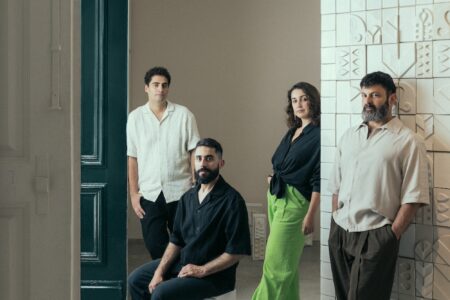
During Lisbon Design Week, Oficina Marques partnered with Spacegram Studios and the heritage ceramics company Viúva Lamego, to present “Arcádia,” a joyful, contemplative temple-like structure that was adorned with a new collection of handcrafted tiles that are inspired by the botanical world.
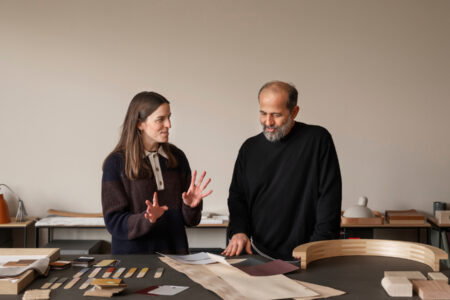
During 3 Days of Design, TLmag sat down with Fritz Hansen’s new Creative Director, Els Van Hoorebeeck, and designer Michael Anastassiades, who introduces the After Series—a solid wood table and chair collection—for the iconic Danish heritage brand.