

The Lunisolar House: An Art Installation by Pao Hui Kao
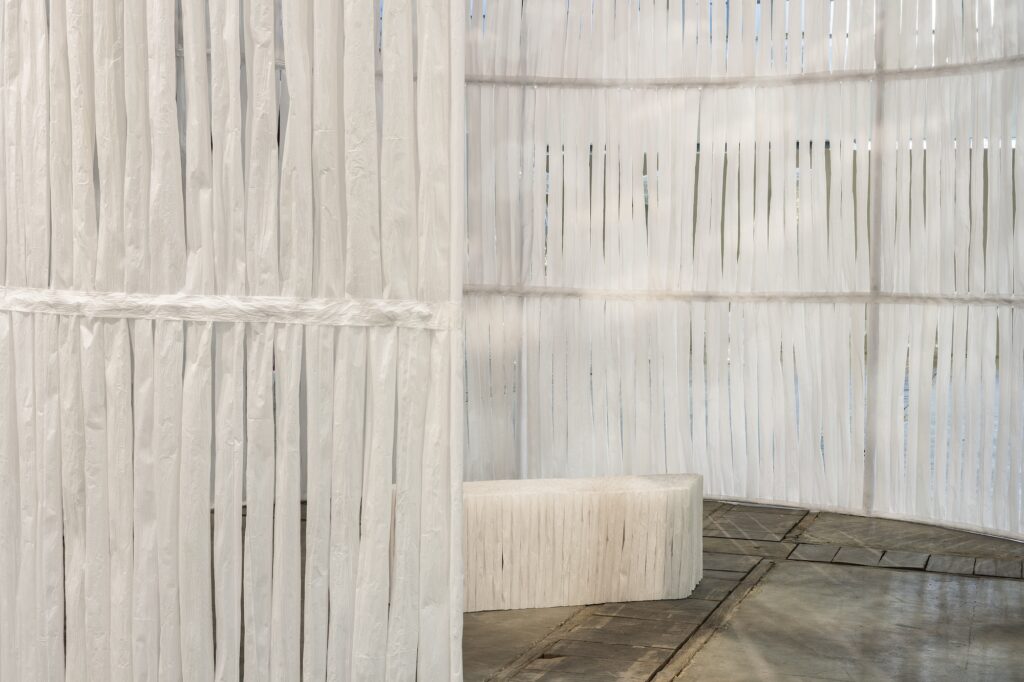
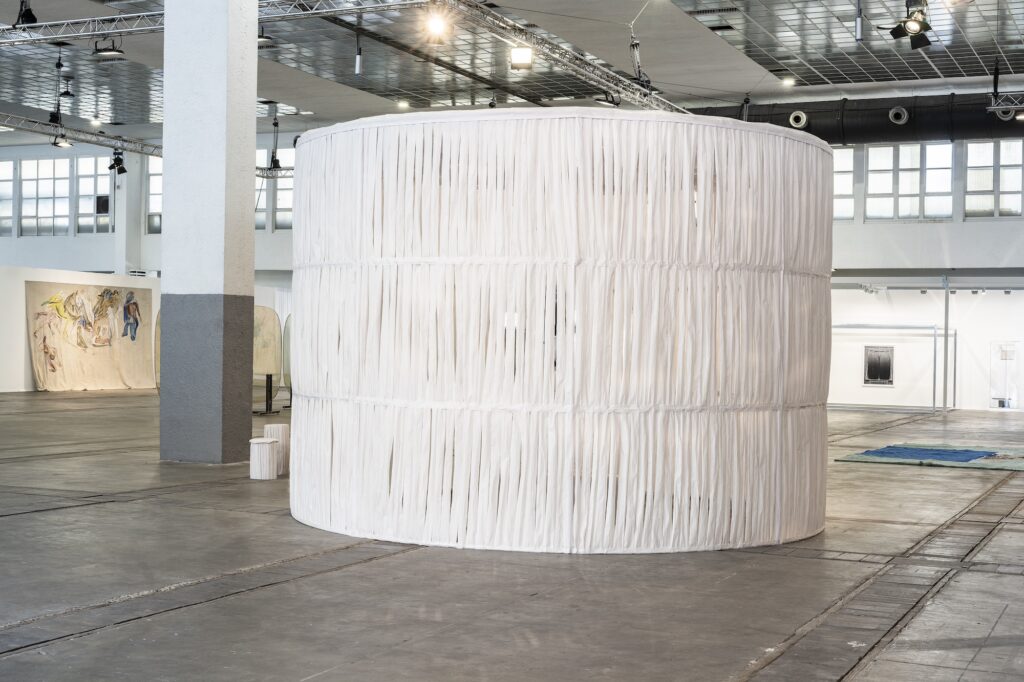
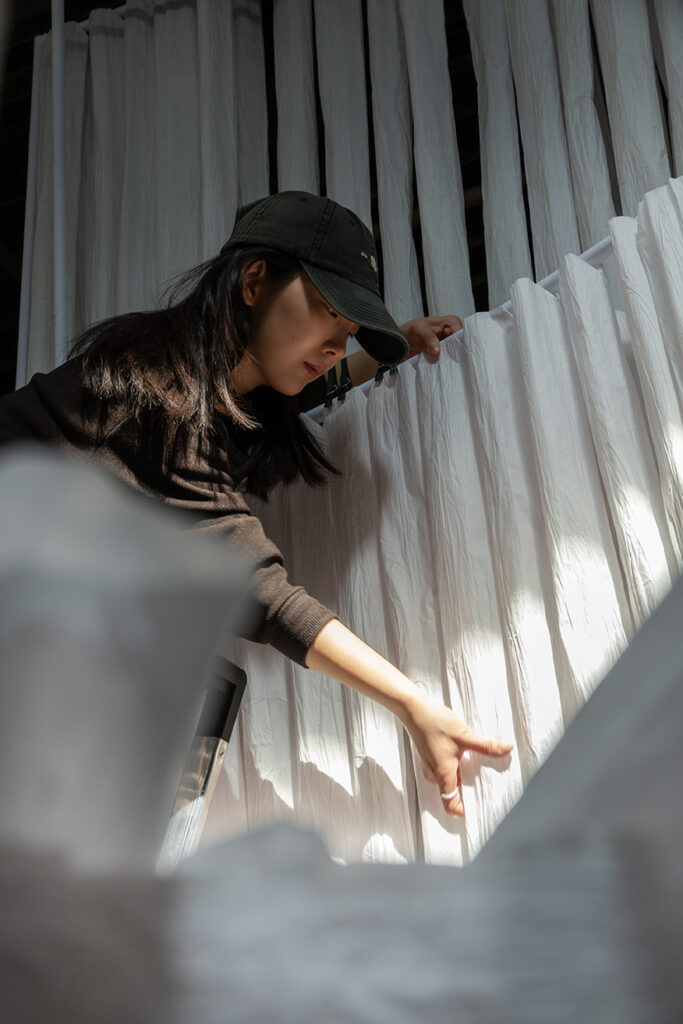
Spazio Nobile is pleased to present The Lunisolar House by Taiwanese artist Pao Hui Kao in the Horizons section of Art Brussels. In this mesmerising piece, Pao Hui Kao invites us to reimagine the home as a delicate threshold, a shelter shaped by light, breath, silence and vulnerability, rather than a fortress. Using humble yet transcendent materials such as folded tracing paper and rice glue, the artist has created a space that is both architectural and meditative: a sanctuary without walls; a chapel without doctrine; a horizon where fragility is transformed into a new form of strength and beauty.
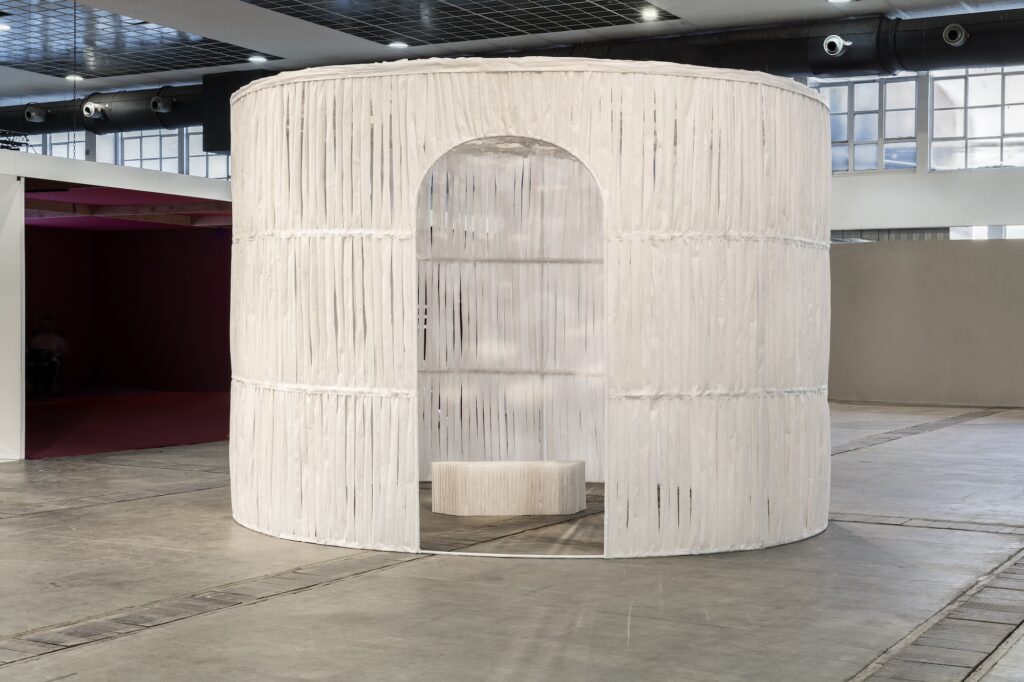
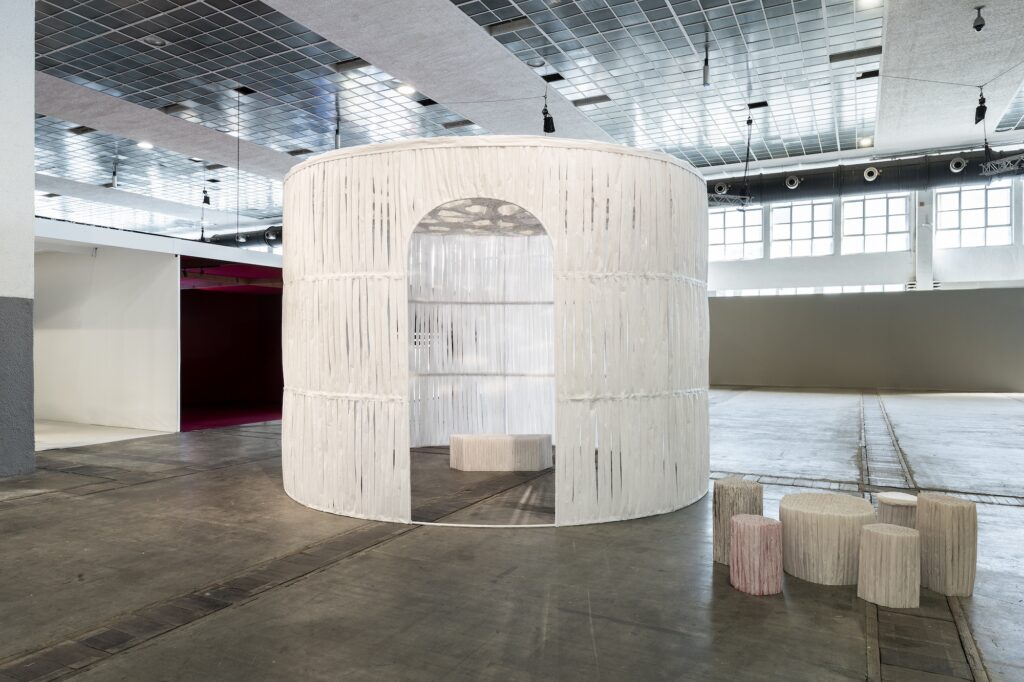
In a world increasingly marked by displacement, uncertainty and shifting borders, the notion of “home” no longer signifies stability, but precarity—a fragile state of belief rather than a guarantee of protection. THE LUNISOLAR HOUSE by Taiwanese Pao Hui Kao proposes a large-scale installation for Art Brussels – Horizons 2026, curated by Devrim Bayar, Senior Curator of KANAL Centre Pompidou in Brussels, that reimagines home not as fortress, but as a delicate threshold: a shelter made of light, breath, silence and vulnerability. Through the humble yet transcendental materiality of folded tracing paper, rice glue and Urushi lacquer, Pao Hui Kao constructs a space that is at once architectural and meditative—a sanctuary without walls, a chapel without doctrine, a horizon where fragility becomes a new form of strength.
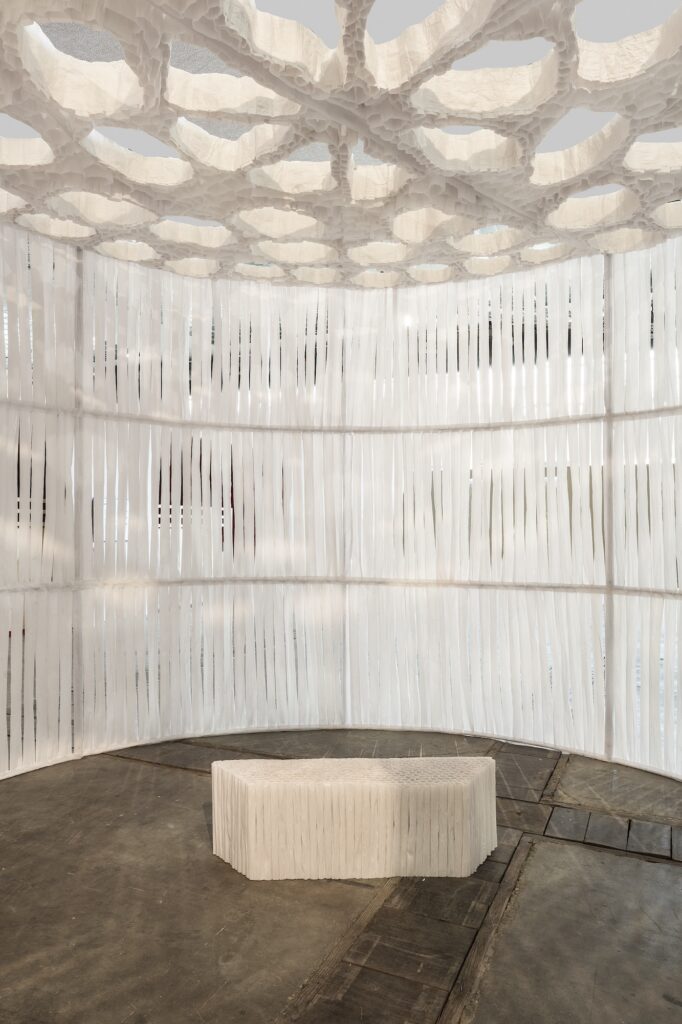
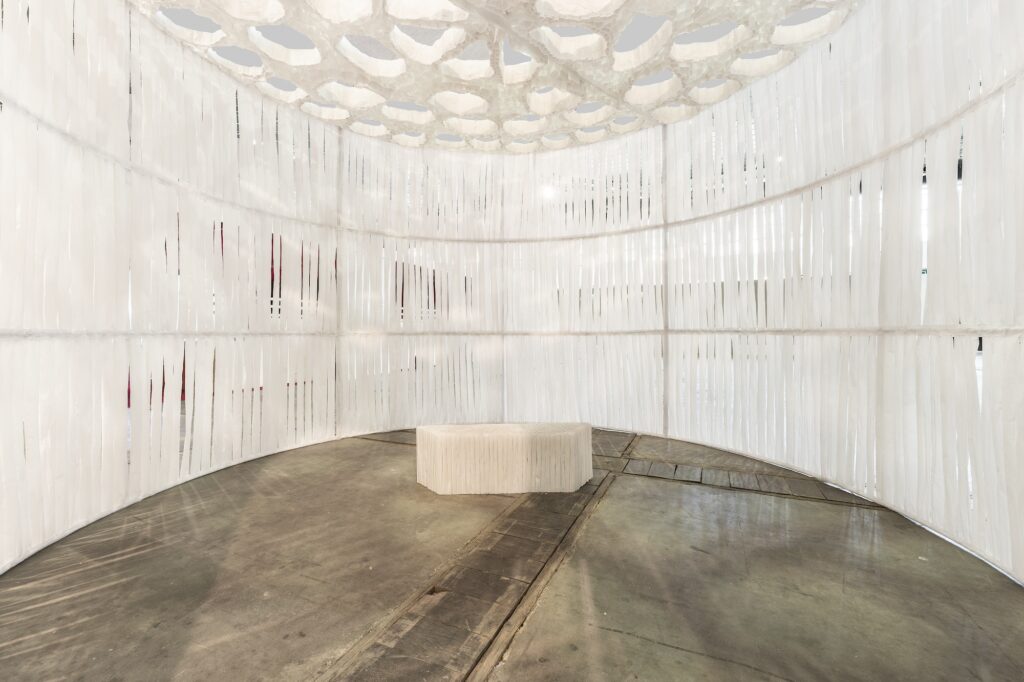
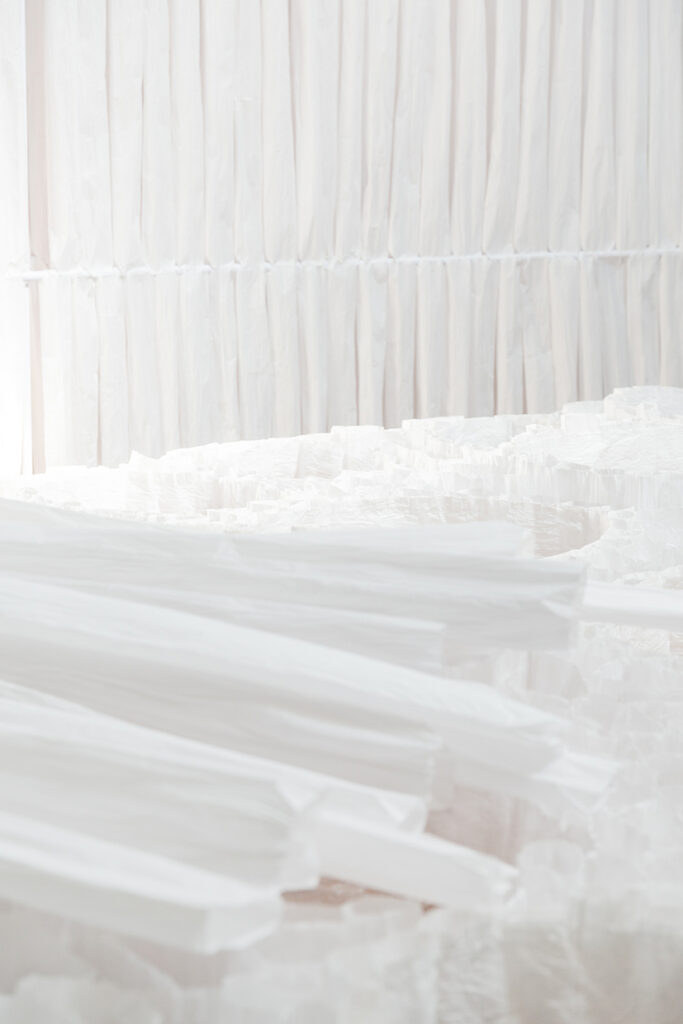
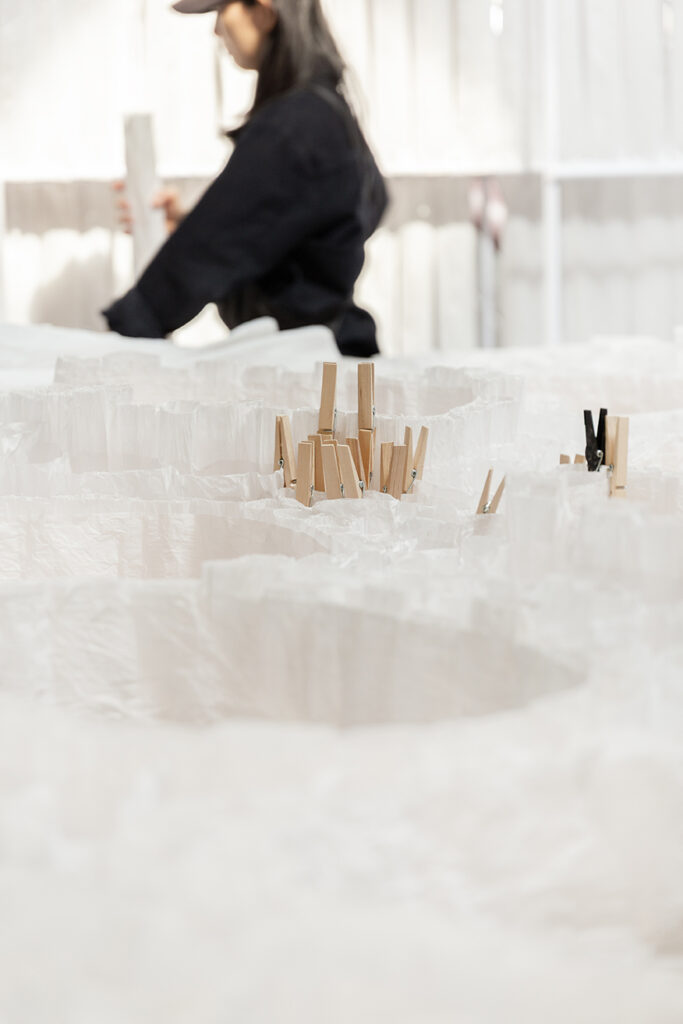
This art installation dissolves the borders between sculpture, architecture and contemplative space. Within the visionary framework curated by Devrim Bayar, it departs from the traditional booth format and unfolds instead as an experiential journey: a luminous interior of a white contemplative chamber, anchored by the Paper Pleats Bench.
The Illusion of Shelter
When crises strike—be they environmental disasters, war, social unrest or personal rupture—the idea of home reveals itself to be as fragile as paper. Our walls, administrations, nations, families: each presents the illusion of permanence, yet remains vulnerable to collapse. This art installation asks a fundamental question: If home is but a temporary skin, what does it mean to dwell?
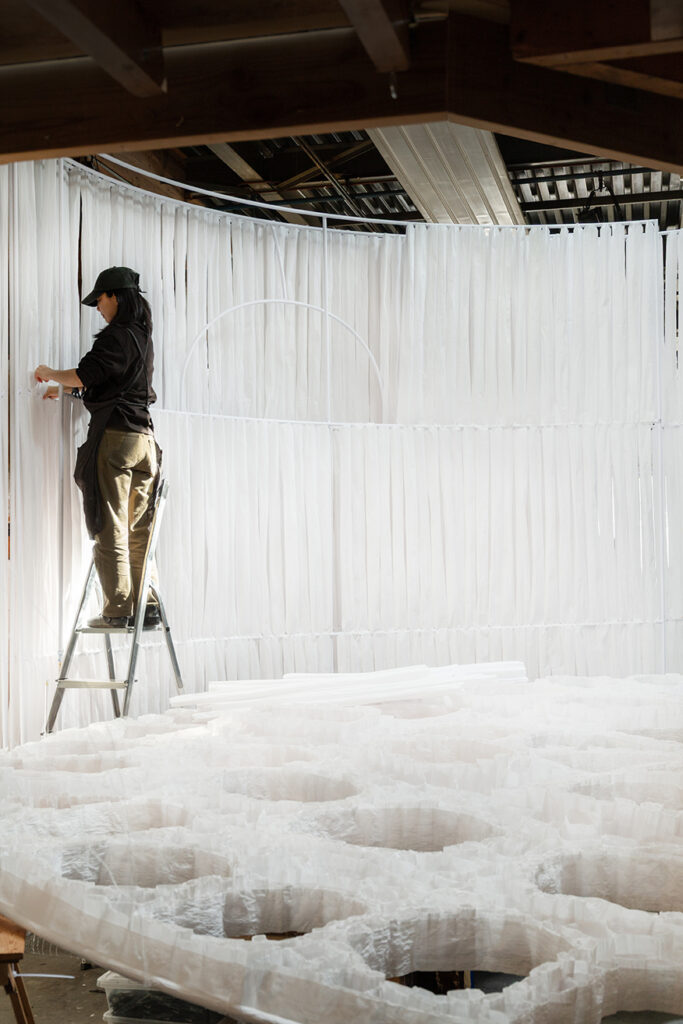
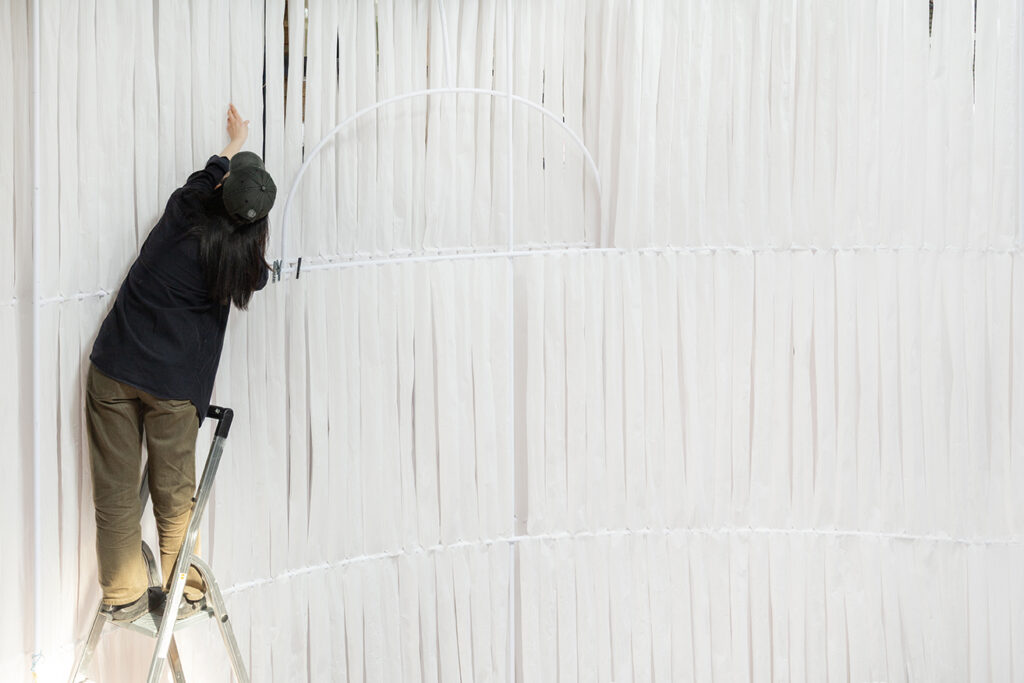
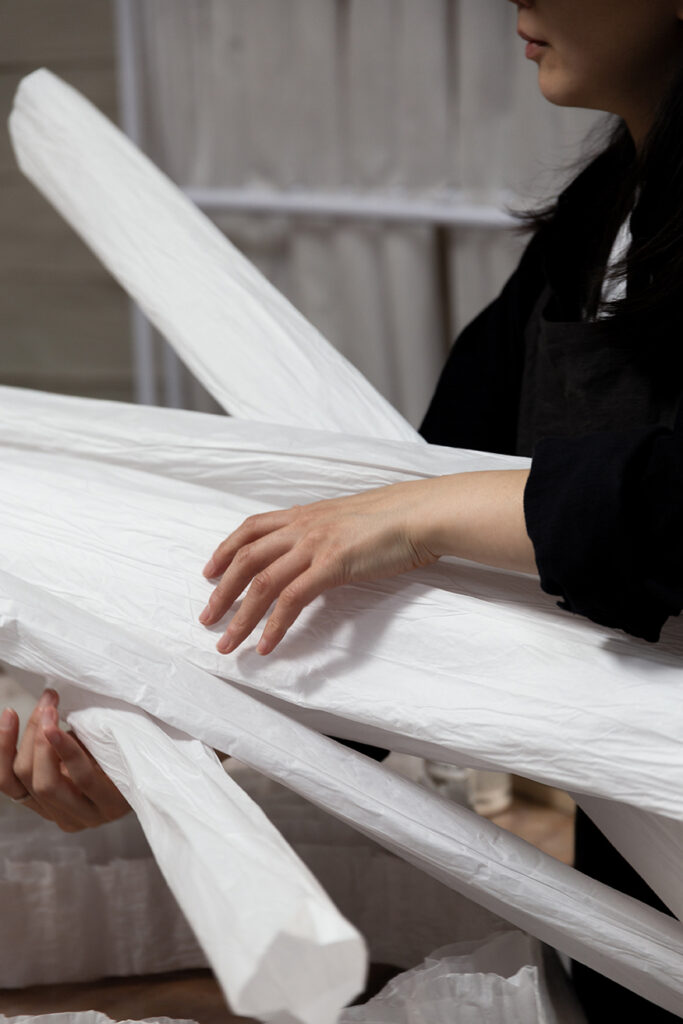
Drawing from Gaston Bachelard’s poetic reflections on the house as a space of daydreaming, and Martin Heidegger’s meditation on building and dwelling, THE LUNISOLAR HOUSE proposes that shelter is not a physical guarantee but a spiritual gesture—a fold in time where one pauses to breathe. Paper, in Pao Hui Kao’s practice, is not decorative. It is existential. Tracing paper, folded with ritual precision, becomes both structure and metaphor: it can bear weight, yet remains vulnerable to tear, the paper remains pure, uncoated. White, bare and honest.
The Material Architecture of Fragility
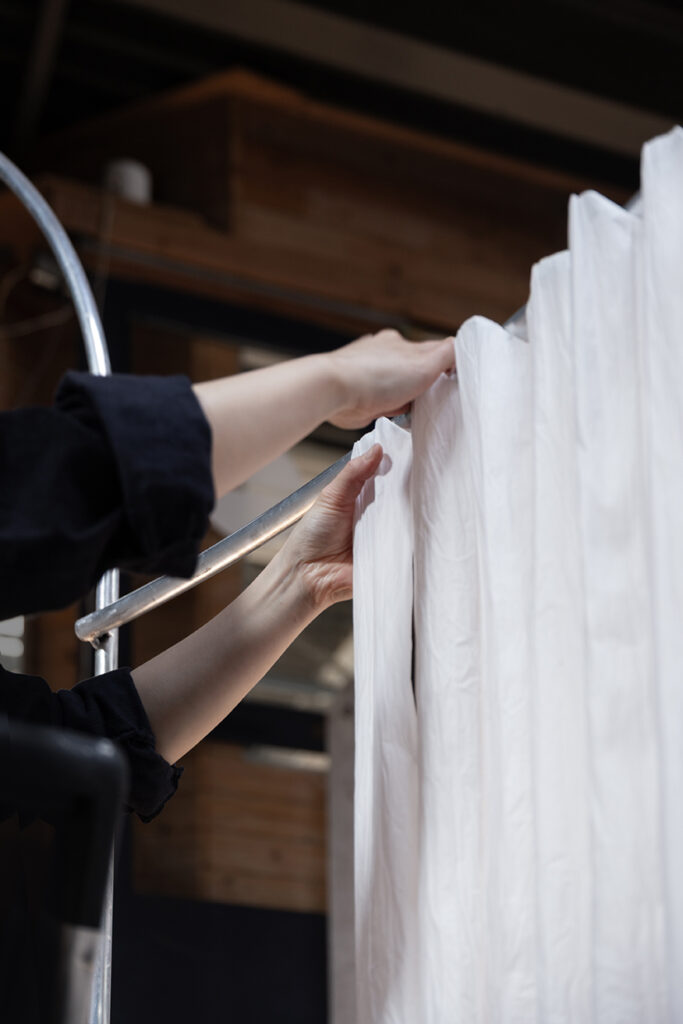
The Paper Pleats Shelter is constructed entirely from folded tracing paper and rice glue, the shelter rises like a breath suspended in stillness. Passing through the fold, visitors enter an interior of untouched white paper: The Inner Chamber. Each pleat captures light like soft skin. It is a space emptied of image, ornament, narrative—a return to elemental presence. Inside The Inner Chamber, the Paper Pleats Bench, a sculptural spine inviting visitors to sit, to dwell, to share silence in proximity to strangers. It is both object and invitation, linking human bodies through quiet contemplation.
THE LUNISOLAR HOUSE does not invite interaction. It invites presence. While viewers do not touch the installation, their breath and movement subtly animate it. Paper trembles. Shadows drift along pleats. Time dilates. In this, Pao Hui Kao follows a lineage of artists exploring the metaphysics of shelter and impermanence: Do Ho Suh, whose fabric corridors evoke memory in transit; Kimsooja, who transforms fabric into silent pilgrimage; Tadashi Kawamata, building precarious architectural interventions; Shigeru Ban, using paper to house the displaced; Francis Kéré, elevating vernacular architecture into communal ritual. Yet Pao Hui Kao’s voice is singular. Where Suh maps memory, Pao Hui Kao maps breath. Where Kawamata constructs, Pao Hui Kao folds. Her shelters are not ruins or monuments; they are horizons of vulnerability.
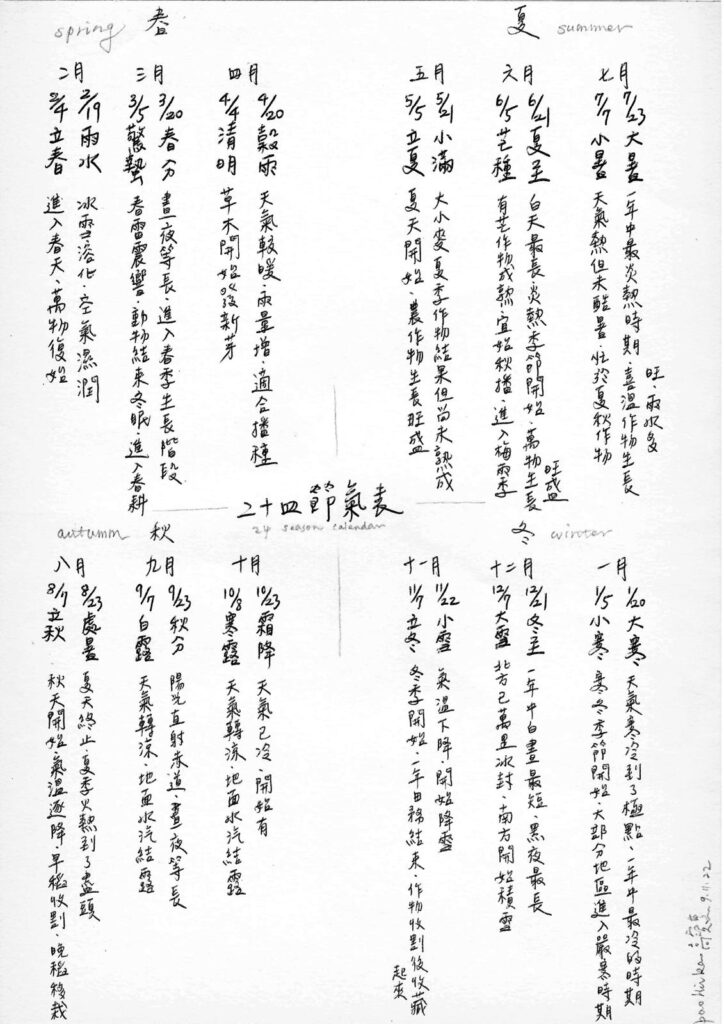
The title THE LUNISOLAR HOUSE refers to ancient cosmologies that measured time not through permanence, but rhythm of life and nature. The lunar embodies inner tides, emotional continuity. The solar stands for structure, cycle, renewal. Pao Hui Kao’s lunisolar vision is both sun and moon— an astronomical mirror, asking us to locate our own orbit. In a world obsessed with permanence, this installation proposes fragility as a horizon. A new ontology: to dwell not in ownership, but in awareness and self-consciousness.
THE LUNISOLAR HOUSE shifts the horizon inward. It is not grandiose in spectacle, but radical in vulnerability. It asks not what art can build, but what it can hold: doubt, fragility, tenderness, time and poetry. This work stands as a silent breathing chamber, a rare alternative to visual overload. A place where collectors, curators, artists and wanderers may pause, but to reinhabit their own sense of belonging.



Articles you also might like
Asia Now returns for its 12th edition with a 5-day program of events and exhibitions at La Monnaie de Paris. The fair takes place between October 20-24th.
TLmag interviewed Japanese ceramic artist Chisato Yasui after the opening of Monad, an exhibition of her ceramic sculptures at Spazio Nobile Studiolo. The exhibition is on view through November 15th. This interview has been edited and condensed.
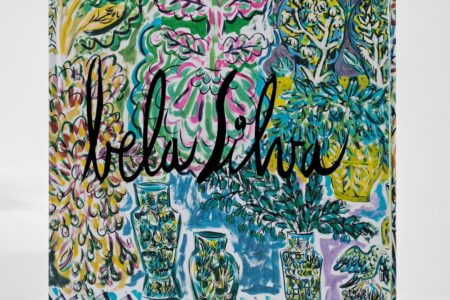
A new artist monograph co-published by Flammarion and Spazio Nobile Gallery invites readers into the captivating world of Bela Silva, the renowned Portuguese contemporary artist and ceramist who is redefining the boundaries of ceramic art. Two book signings are taking place this fall in Paris and Brussels.
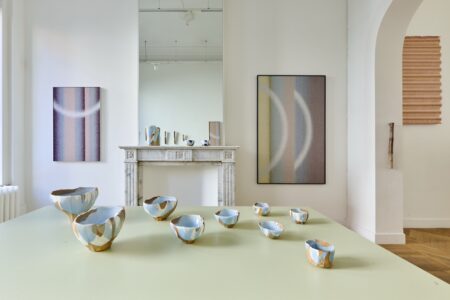
Japanese craftsmanship and contemporary creation on are display in Echoes of Wa, a poetic exhibition at Spazio Nobile that features work by Mae Engelgeer & Japanese Master ceramicist Matsubayashi Hosai XVI.