

Casa Museo Molinario Colombari
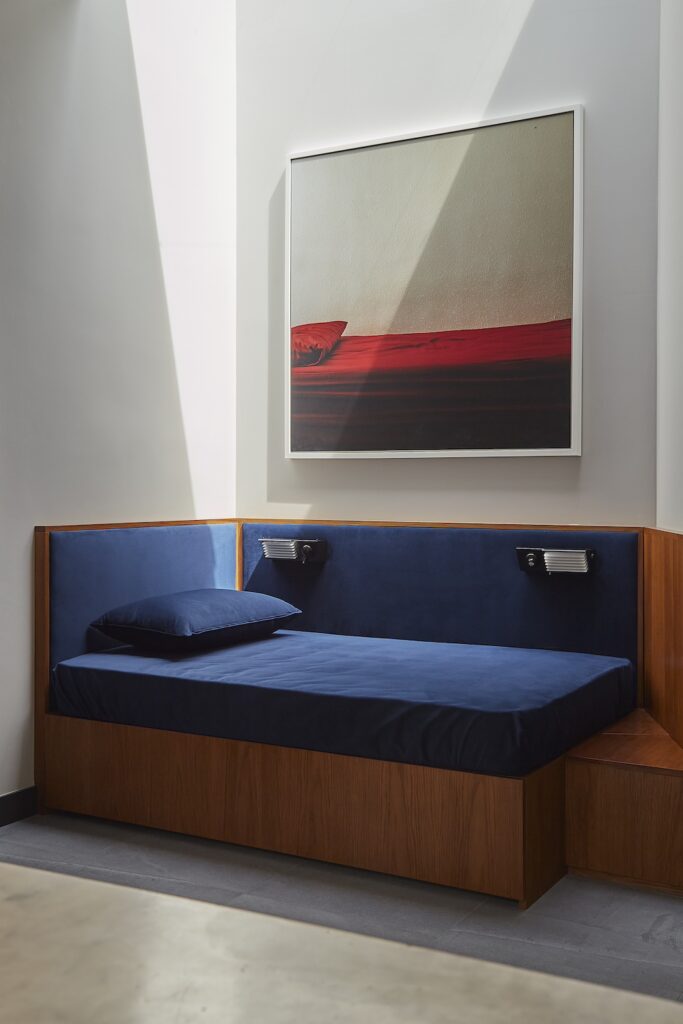
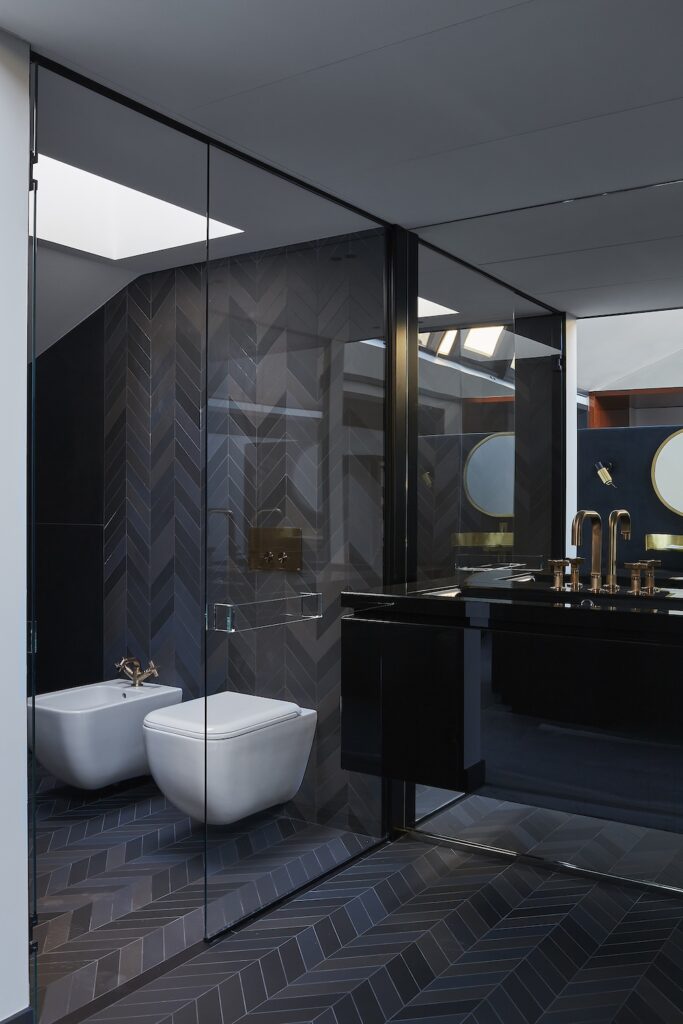
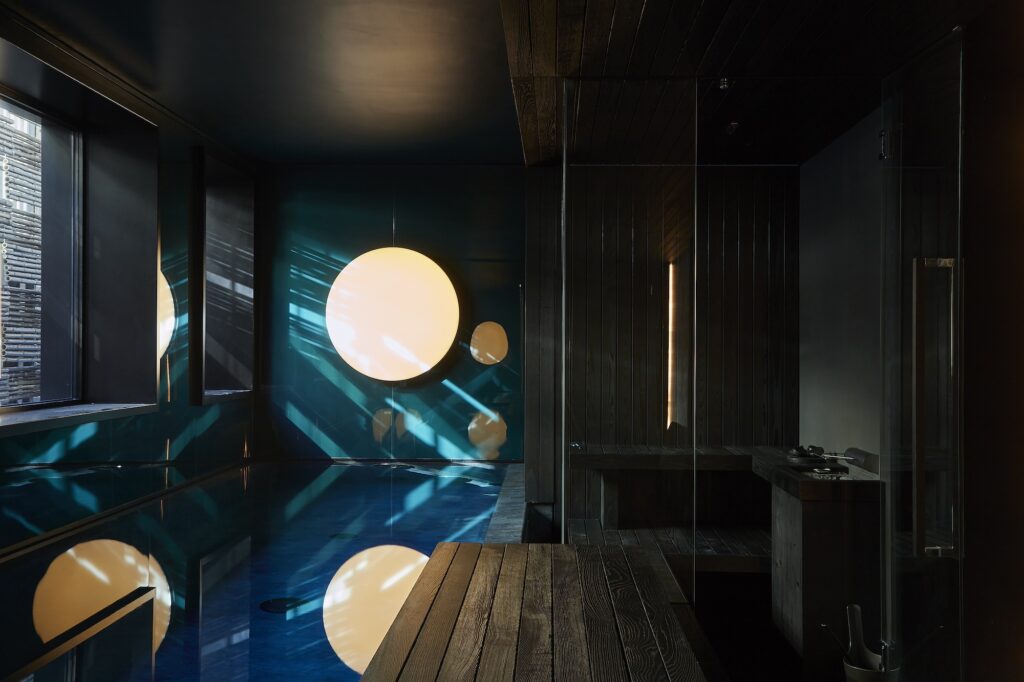
Casa Museo Molinario Colombari is a home like no other. Located in a radically renovated factory in the Isola district of Milan, Rosella Colombari and Ettore Molinario have created a dynamic, living dialogue between architecture, design, photography and sculpture.
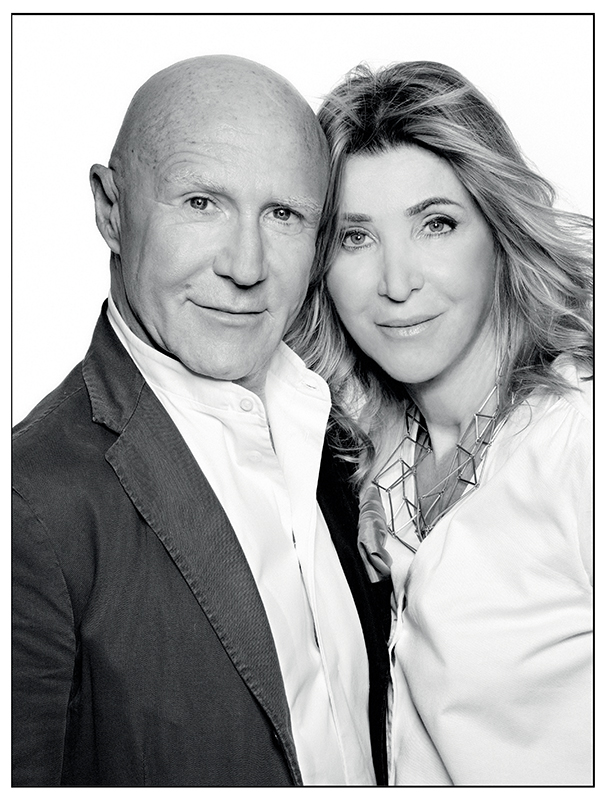
Collecting takes on a new dimension in Casa Museo Molinario Colombari, an experimental, creative passion project founded by Ettore Molinario and Rossella Colombari. Part home and part exhibition space, the Casa-Museo is more of a living art piece that shifts and evolves along with Molinario and Colombari’s interests and ideas. TLmag spoke to Rossella Colombari about the origins of the project and how the two have managed to build a home and collection that reflects an exchange of ideas and their ongoing dialogue around art, architecture and creativity.
Blaire Dessent: The Casa-Museo occupies a former silversmith factory in Milan’s Isola district, a space that was part workshop, part almost-church, according to your architects. What drew you to such an unconventional starting point for a home?
Rossella Colombari: Isola was already very close to Ettore’s heart, as he had been living there for some time. It’s a neighbourhood that’s near the city centre, yet still feels truly local — the kind of place where you know your barista or your greengrocer. Seeing the factory still active at the time sparked the dream of transforming it. What we were aiming for was a dimension where the domestic space could become immersive and almost theatrical.
B.D.: Talk about the circle as the defining geometry of the entire project. Was that symbolic choice yours, or did it emerge from the collaboration with Lazzarini Pickering Architetti?
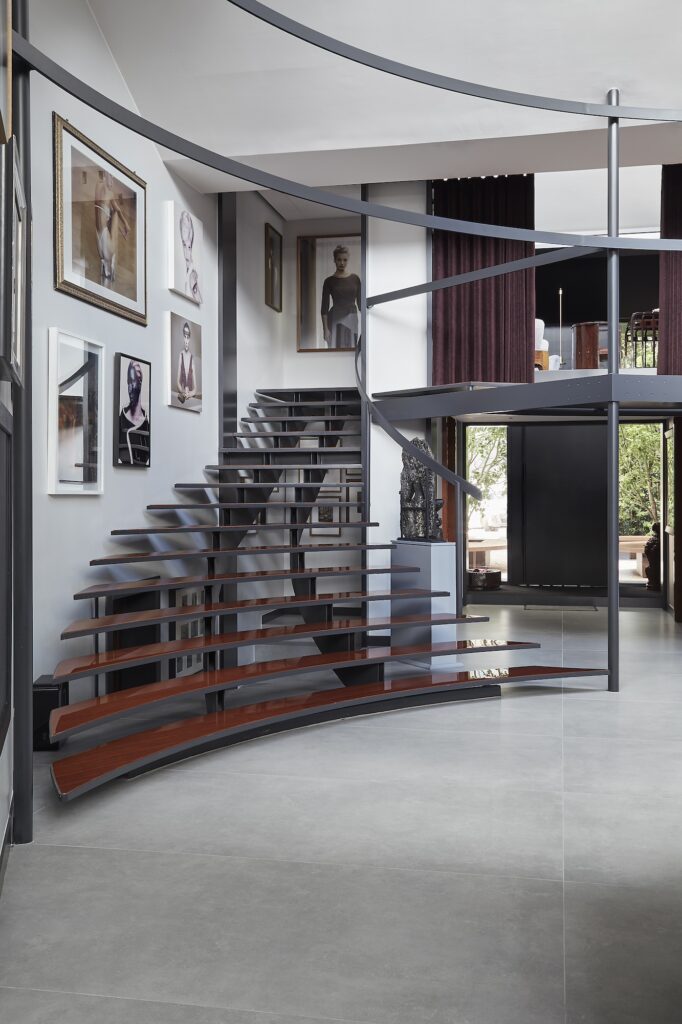
R.C.: The circle originated as a primary gesture by Carl Pickering, and it went on to inform all subsequent design decisions developed together with Lazzarini Pickering Architetti. An initial solution based on a single, static circumference gradually evolved into the use of two open circles with shifted centres. This transformation introduced a sense of dynamism into the geometry, generating trajectories rather than fixed boundaries. These two circles structure the space both functionally and formally, while the trajectories they produce allow it to expand, creating a more fluid and immersive spatial experience.
B.D.: The space is simultaneously a home, an exhibition venue and a place for cultural events open to the public. How do you navigate those three very different modes of living in the same space?
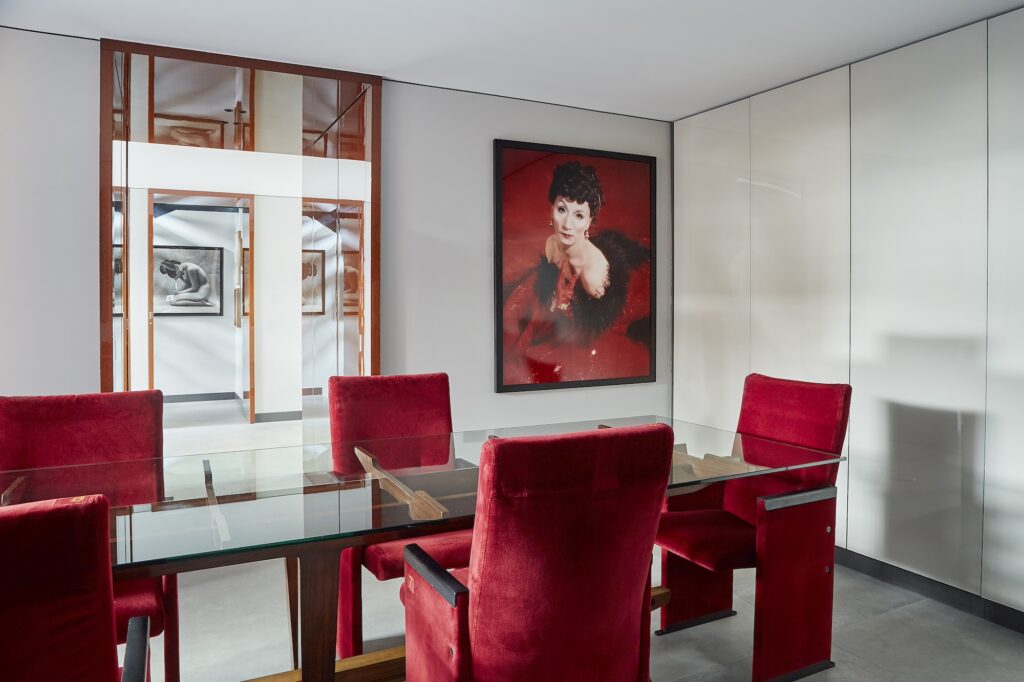
R.C.: The house is conceived without doors, as a sequence of theatrical sets that can adapt to different modes of use. This approach allows the space to shift naturally between being a home, an exhibition venue, and a place for public events. At the same time, these ‘sets’ help to articulate and separate more private areas, maintaining a balance between openness and intimacy.
B.D.: How often do you open the house to visitors? Or can it be visited throughout the year?
R.C.: The house is open to visitors throughout the year, every Wednesday, by reservation through our website (www.casamuseomolinariocolombari.com). Visits are always guided and conceived as a true experience rather than a simple tour. Whenever possible, the collector is also present, turning each visit into an opportunity for direct exchange and cultural dialogue, making every encounter unique and personal.
B.D.: You describe beginning to design this house the day you met, thirty years ago. In what ways does the Casa-Museo reflect the tension — and the harmony — between two people with fundamentally different relationships to art and objects?
R.C.: From the very beginning, almost unconsciously, we started to build a shared path in which our differences gradually intersected in more and more meaningful ways. What might have initially appeared as contrasting approaches to art and objects became, over time, a source of dialogue and mutual enrichment. The Casa-Museo reflects this ongoing exchange. It is not the result of a single vision, but rather the layering of two sensibilities that have learned to coexist, challenge one another, and ultimately find balance. Photography, art, design, and interiors come together here as part of a unified language, where each element retains its identity while contributing to a broader harmony. In this sense, the house embodies both tension and harmony — a space where differences are not resolved, but transformed into a dynamic and evolving equilibrium.
B.D.: You took on the interior design yourself. How did you approach creating a space that had to honour both your own eye and Ettore’s deeply personal collection?
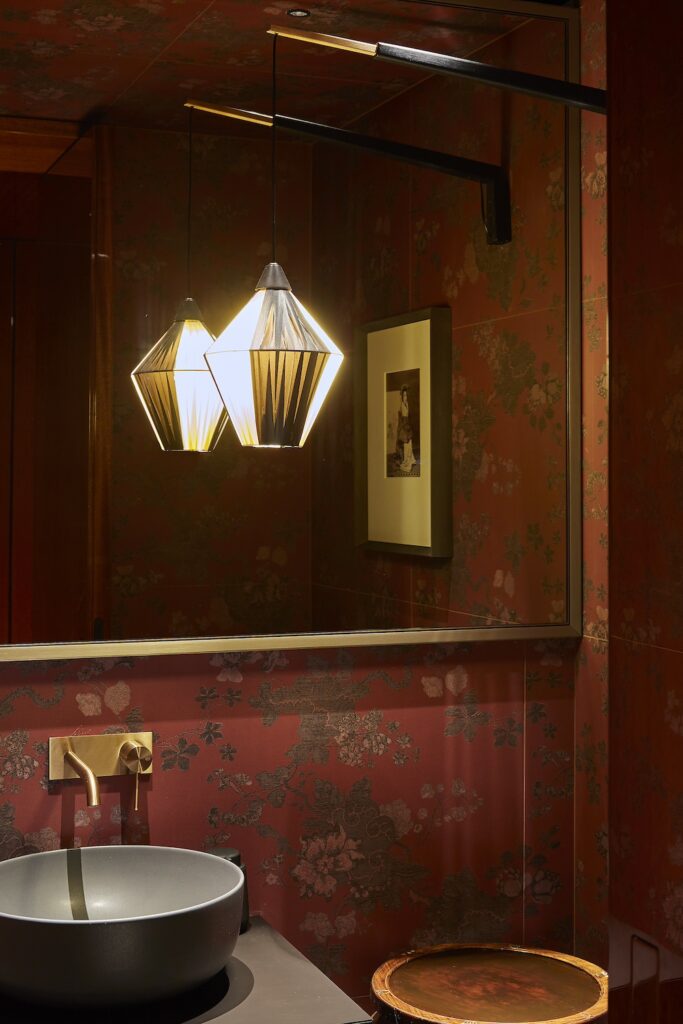
R.C.: After reflecting on it for a long time, I identified two fundamental principles. The first was to express Italian beauty through the elegance and refinement of materials. The second was to find a point of balance among all the different artistic elements through a carefully considered chromatic palette, allowing the eye to move freely without obstacles. In this way, the space unfolds as a fluid scene, where each element — whether part of the interior design or Ettore’s collection — can coexist in harmony, contributing to a continuous and cohesive visual experience.
B.D.: The architectural brief asked for something domestic, that could hold exhibitions and also have a theatrical aspect all at once. Which of those three qualities was the hardest to satisfy?
R.C.: Without a doubt, the most challenging aspect was the domestic one — creating a truly intimate atmosphere, a space that could be lived in comfortably every single day. It required a careful balance, ensuring that the house would never feel like a stage set at the expense of everyday life. In the end, we chose to prioritise that sense of intimacy above all else, allowing the theatrical and exhibition dimensions to emerge more subtly. We prefer to leave it to visitors to perceive these layers for themselves — to step into the space and, above all, to feel at home within it.
B.D.: The outdoor courtyard by Atelier Lavit was conceived as a transitional space — a pause before entering the collection. Would you talk about this concept?
R.C.: The courtyard, designed by Marco Lavit of Atelier Lavit, takes up the central theme of circularity that runs throughout the project. He envisioned it as a series of subtle, enveloping backdrops — almost like theatrical wings — that gently accompany visitors along a transitional path. In this space, the public is invited to pause, slow down, and relax before the official entrance into the Casa-Museo. It becomes a moment of suspension, both physical and mental, preparing visitors to step into the gesture of the circle and fully engage with the experience that unfolds inside.
B.D.: Are you still collecting photography for the collection? When did you start to discover some of the unifying themes of the collection, such as personal identity or gender fluidity?
R.C.: I began collecting at the end of the 1980s, and I continue to do so today. In the early years, my acquisitions were largely driven by instinct — intuitive choices rather than a clearly defined direction. Over time, however, I started to reflect more deeply on my own unconscious, and I realized that even those initial works were part of a process of identification. The collection gradually revealed itself as a form of self-narration — a way of exploring and expressing my own identity. Themes such as personal identity and gender fluidity did not emerge as deliberate intentions at first, but rather surfaced organically, becoming clearer as the collection evolved and as I became more aware of the underlying threads connecting the works.
B.D.: A significant portion of the collection is attributed to anonymous photographers. What draws you to work where the author is unknown, and how does that anonymity change the way you relate to an image?
R.C.: The relationship with anonymous photography is, for me, one of the most fascinating challenges of collecting. It involves seeking out images that, despite their unknown authorship, may have influenced other artists or resonate deeply within the broader history of visual culture. Many anonymous photographs possess extraordinary impact and quality. They remind us that artistic value is not always tied to a recognized name, nor is it justified by price alone. In a way, anonymity allows for a more direct and instinctive connection with the image — free from preconceptions — where what truly matters is the strength of the work itself and the personal dialogue it creates with the viewer.
Visit their website to make a reservation at the Casa-Museum Molinario Colimbari

Articles you also might like
For TLmag 41: The Art of Collecting, Mario Testino writes about how collecting art and collaborating with contemporary artists was influential in his long career as one of the world’s top photographers. This is an edited version of the article which appeared in our 2026 print issue.
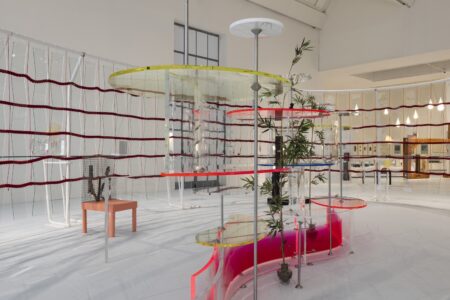
Triennale Milano pays homage to one of Italian design’s most radical minds — Andrea Branzi — through the eyes of his longtime friend and collaborator, Toyo Ito.
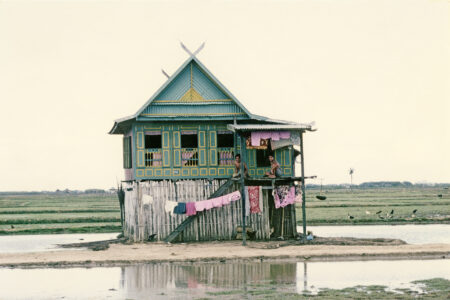
The Fondazione MAST presents the seventh edition of FOTO/INDUSTRIA, the Biennial of Photography on Industry and Work, running from 7 November to 14 December 2025.
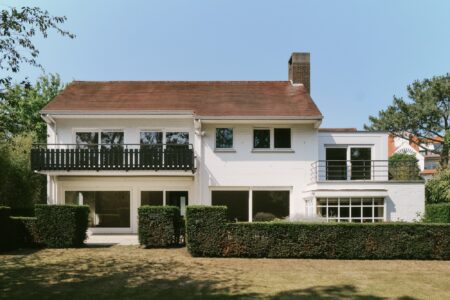
Between August 8-31, Spazio Nobile presents Panoramic, a solo show dedicated to Belgian photographer Frederik Vercruysse, hosted in a modernist 1970s villa in Knokke Le Zoute.