

Alexandre de Betak’s Light Installation in Gstaad
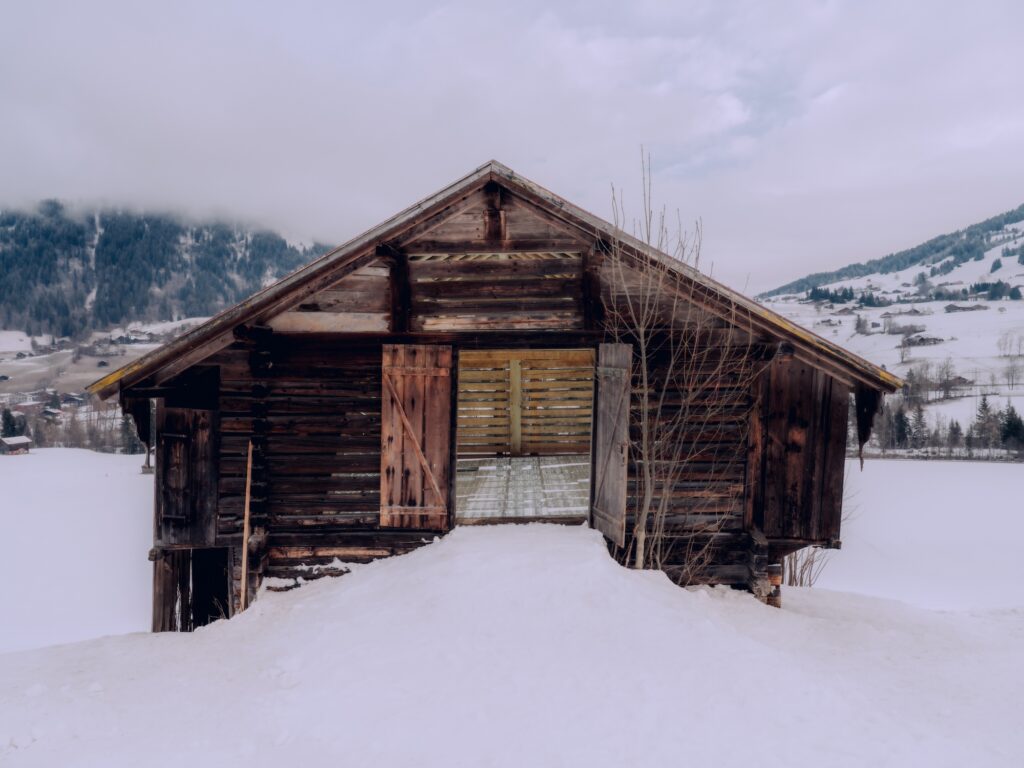
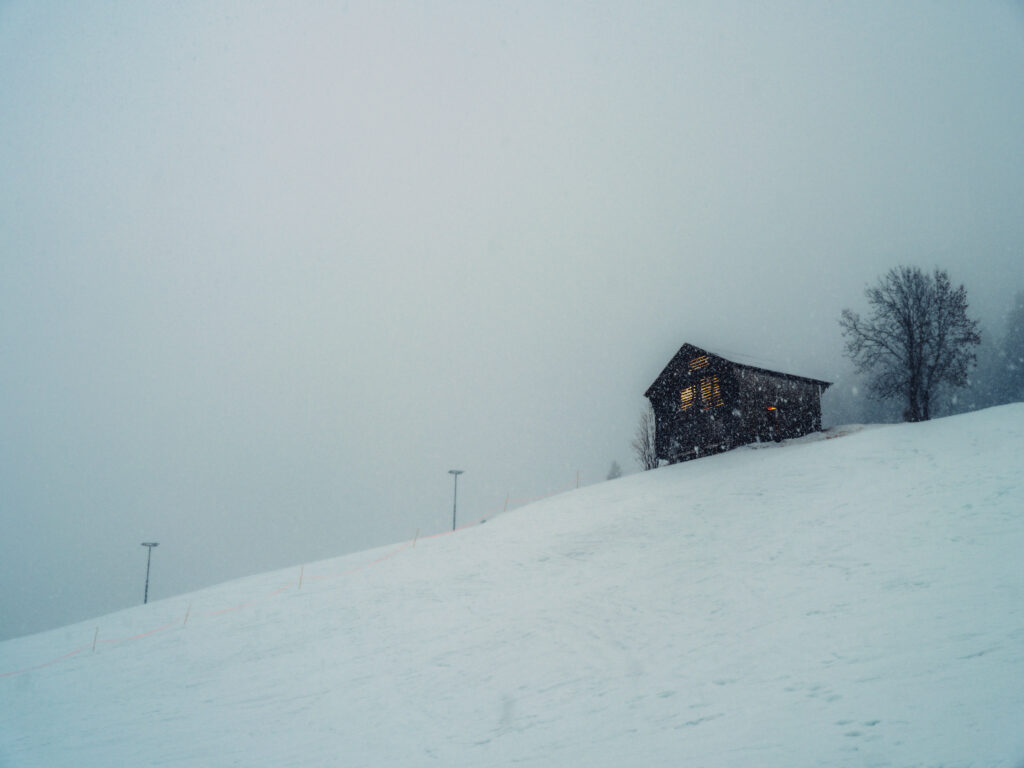
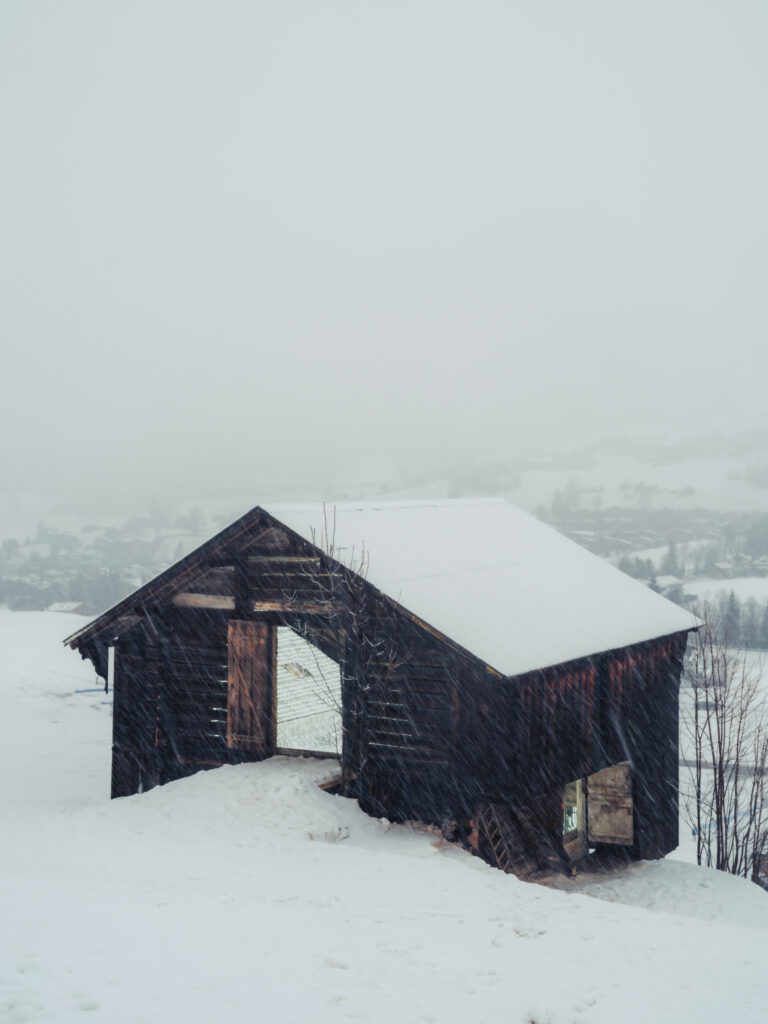
Set in the Bernese Oberland, near Gstaad, multi-talented designer Alexandre de Betak transformed a modest Alpine farm shed, half-buried in snow, into a meditative encounter with light, reflection, and space.
Unveiled during Gstaad Art Week (February 17-22, 2026), Alexandre de Betak’s architectural light installation marks the latest chapter in the creative’s evolution from legendary fashion show director into an independent artist working squarely at the intersection of architecture, light, and spatial experience. Following his London debut during Frieze 2025, in which he first explored these ideas through modular light panels, the project relocates the inquiry to the Bernese Oberland, embedding it within a traditional Swiss barn.
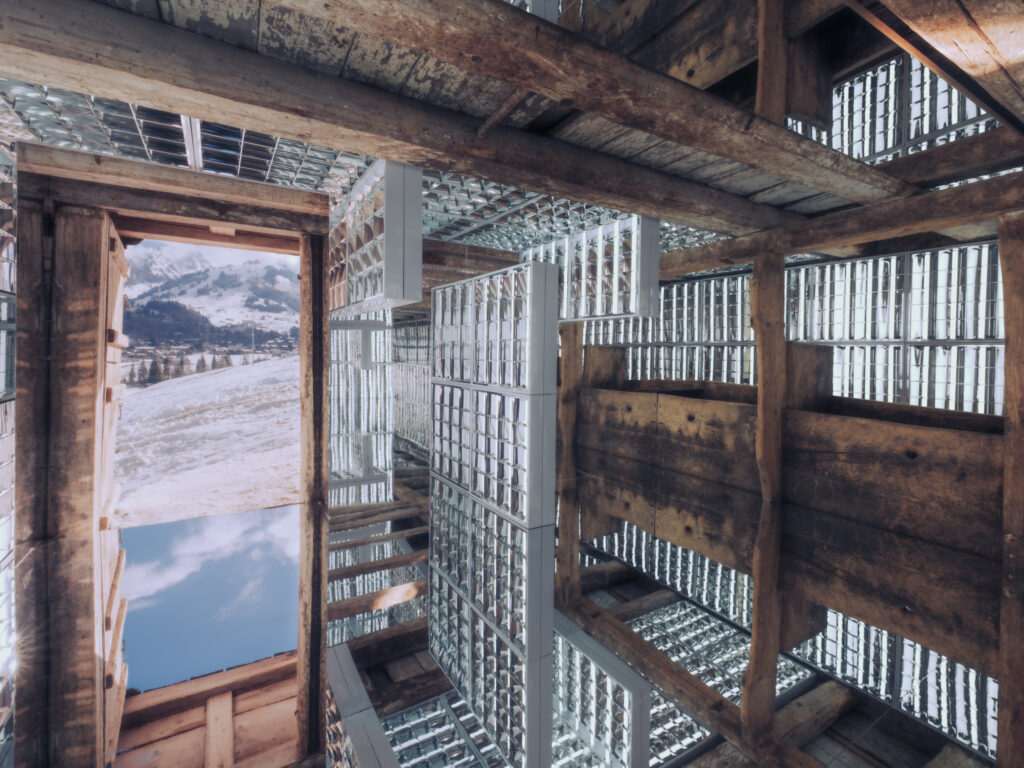
The title of the installation draws a connection between a schürli, a modest Alpine farm shed and a chashitsu the traditional space for a Japanese tea ceremony. While both architectures are geographically and culturally worlds apart, the two structures are about simplicity of space and show a reverence for material honesty. They both embrace traditions and rituals that are influenced by the landscape, climate, and restraint. De Betak starts from this ‘blank canvas’ of sorts, separating from any expected meaning and using it to install a series of mirrors and lights that transform it into an abstract work that has more to do with light and space than with architecture itself.
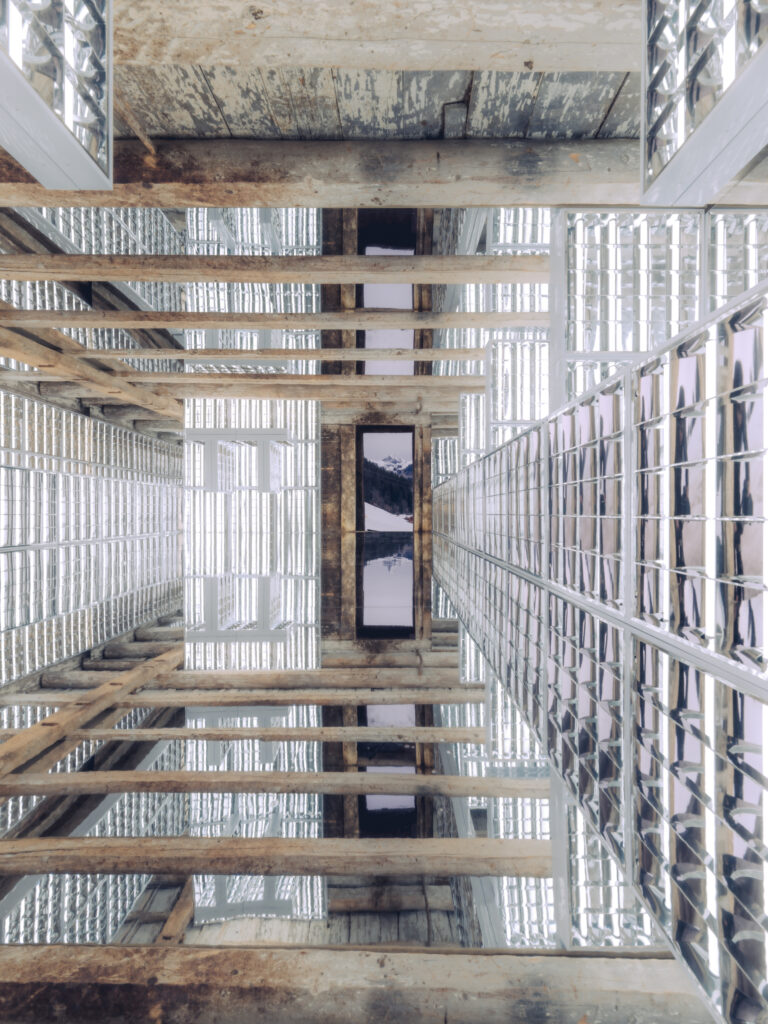
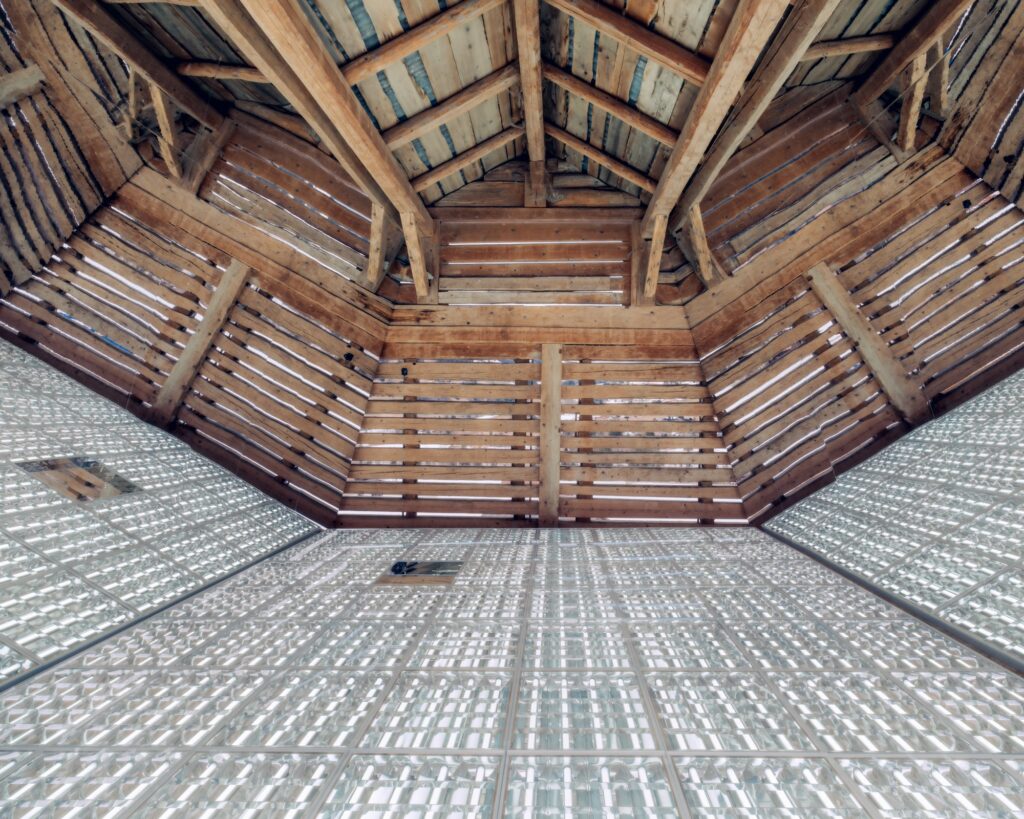
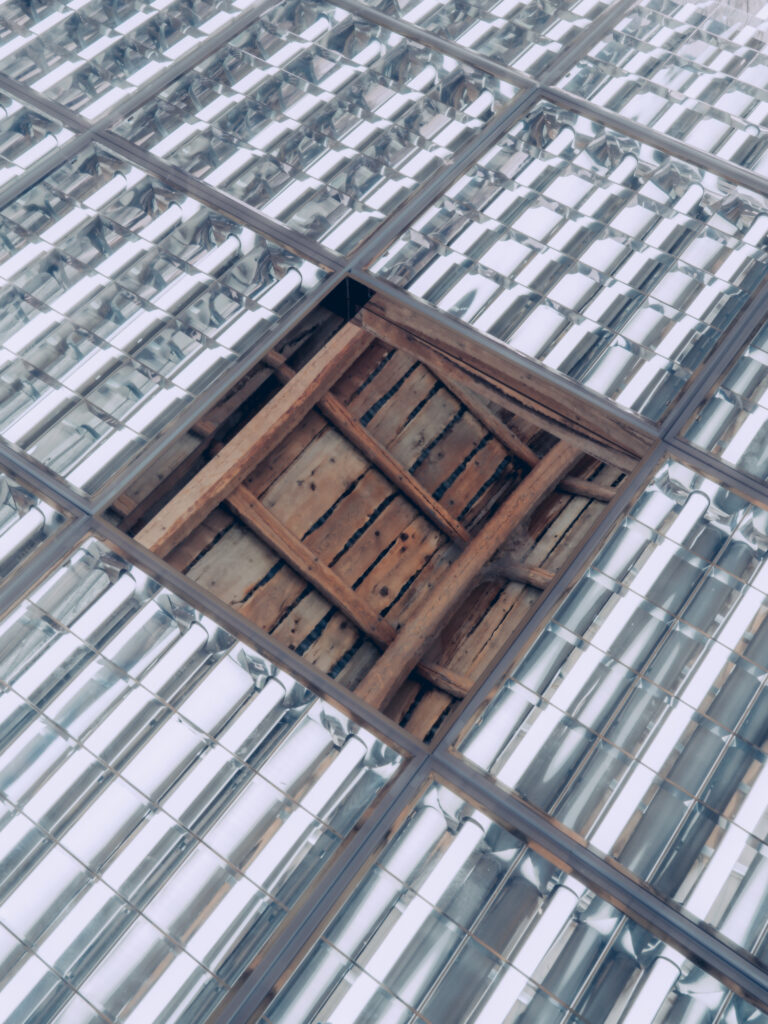
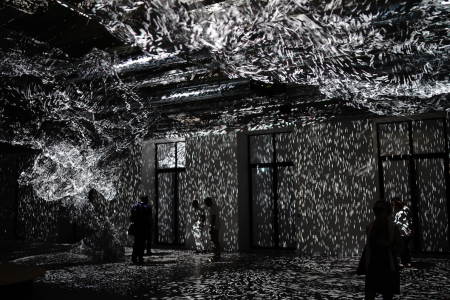
The installation unfolds across two levels. Mirrors fracture and extend the architecture while light — natural and reflected — destabilizes orientation and depth. Wood, shadow, and reflection enter into continuous dialogue, dissolving the boundaries between interior and exterior, object and void. Viewers were invited to move throughout the space, interacting with it and becoming part of the shadows and light.
De Betak has described being moved by the rural architecture of this rugged, beautiful landscape. The installation becomes, in his words, “a conversation between tradition and modernity, between inherited craftsmanship and present-day creation.”
Chashitsu Hikari Schürli continues de Betak’s ongoing research into what he calls “immaterial artistic architectures” — spaces where light becomes a primary material that shapes our perception and our surroundings.

Articles you also might like

This Milan Design Week, Berlin Art Glass debuted ANALOG with their new Artistic Director Philip Weber. TLmag talks to him about his latest successes.
Resin, glass, neon lighting and bright colors define the works of designer Sabine Marcelis which range from architectural scale to small lighting
Adrien M & Claire B fuse fungus and technology to create their immersive installation, L’ombre de la Vapeur, at the Fondation d’entreprise Martell, Cognac

British artist Liz West was a natural fit for the new exhibition at the Natural History Museum, which presents a history of colour and its relationship to vision in the natural world.