


Fritz Hansen: Guardian of Danish Design
The Director of Craft & Heritage at Fritz Hansen, Christian Andresen, talks to TLmag about the brand’s legacy and its approach to preserving their archive, reissuing iconic pieces and its role in Danish design history.
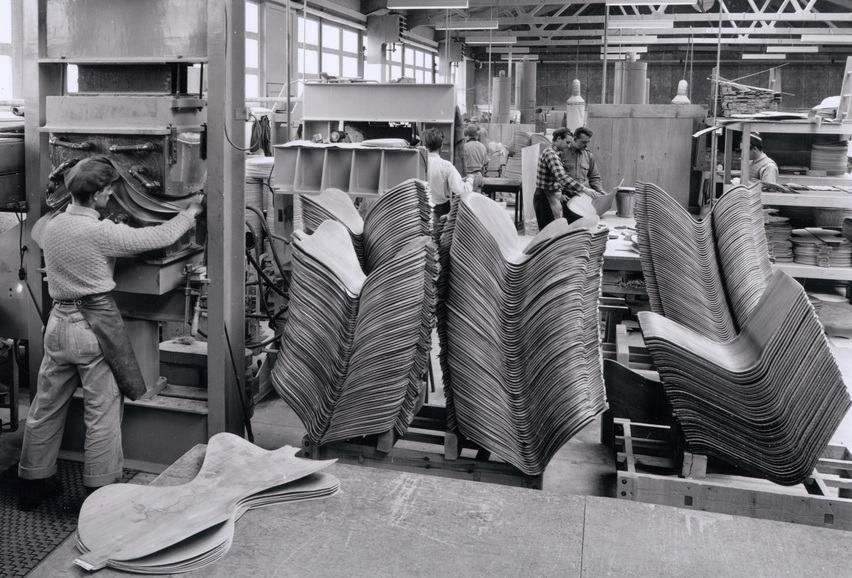
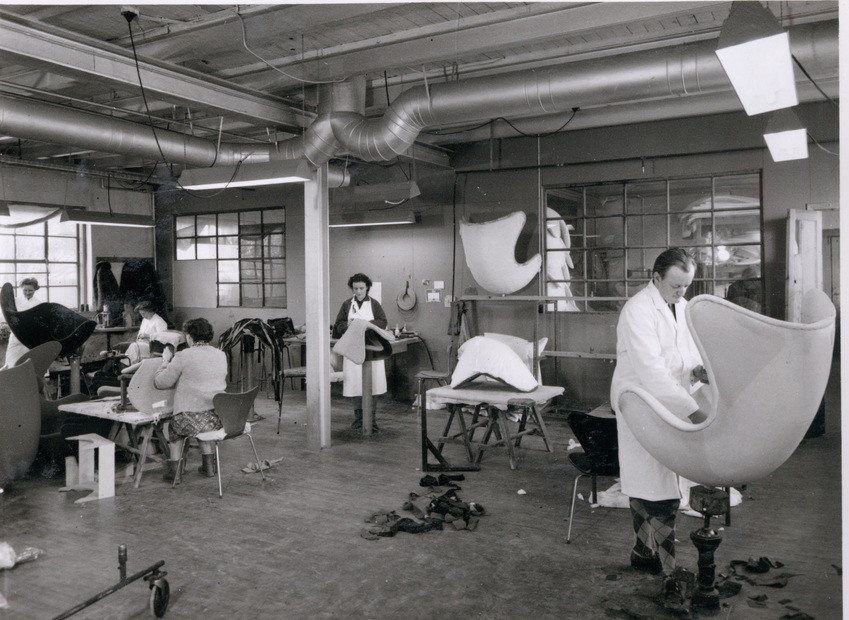
When it seems like there is announcement of a new furniture collection every week, it’s reassuring to take a step back and appreciate a legacy design company like Fritz Hansen. The company’s headquarters in the north of Copenhagen includes a vast exhibition space that is open to the public and features curated exhibitions that dive into their collection, showing not only the rich legacy of the brand, but their influence on contemporary design and designers as well. The impact of Danish Design is multifaceted and resonant, from its niche collectible market to its ongoing appeal for everyday interiors. We spoke to Christian Andresen, Director of Craft & Heritage at Fritz Hansen, where he has worked since 2015 to preserve and evolve the brand’s design legacy. With a background in industrial design from the Danish Design School, Andresen brings decades of experience spanning architecture, product development and design leadership.
TLmag: The HQ of Fritz Hansen is home to a vast exhibition space that presents iconic pieces that form part of the company’s 150+ years. Could you talk about this space – the decision to establish it and the importance of sharing this archive with the public?
Christian Andresen: Our exhibition space lies in the heart of our HQ that has been the Fritz Hansen location since the beginning of the 1900’s. A few years back we decided that we would lift our archive and share our rich design history with our audience and the public. We think our history as a company intertwines with Danish design history, and that so many stories about design, society, time and products is an integral part of our legacy and our brand, and therefore we thought it was time to show and tell that story as well as sharing our story with design passionate audiences and the future generations
TLmag: Reissues are an important part of Fritz Hansen’s brand – when was the idea to do a reissue first conceived and which piece was it?
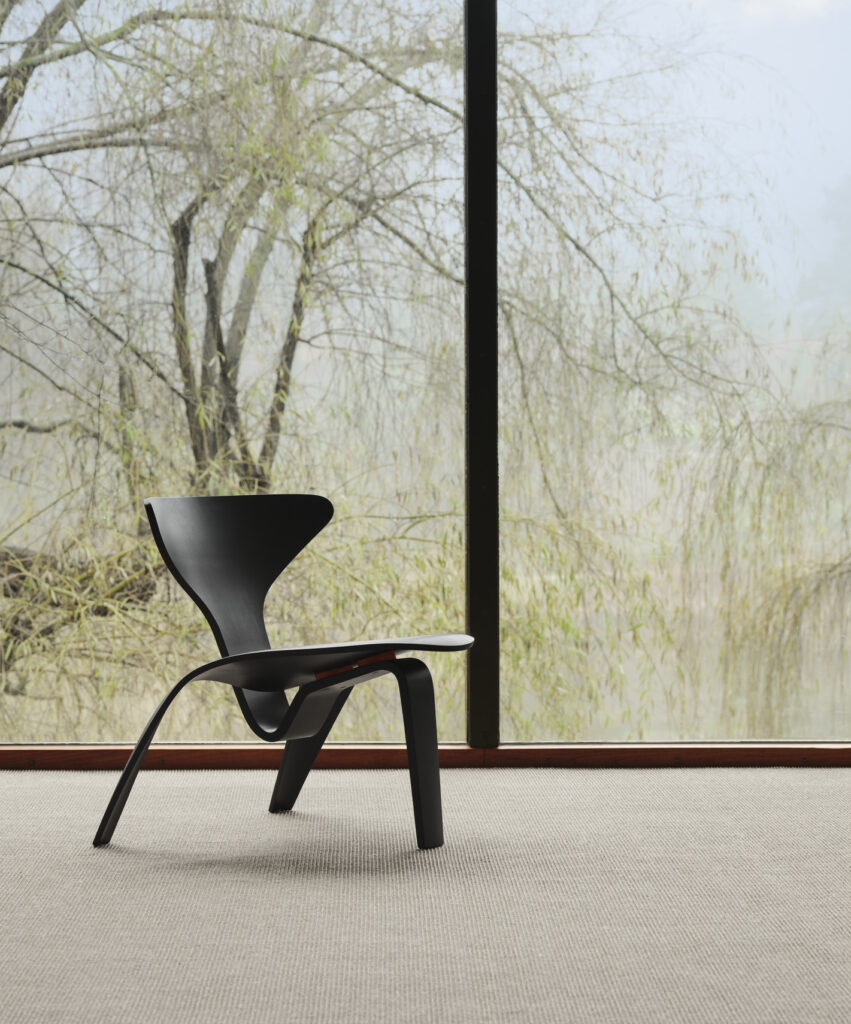
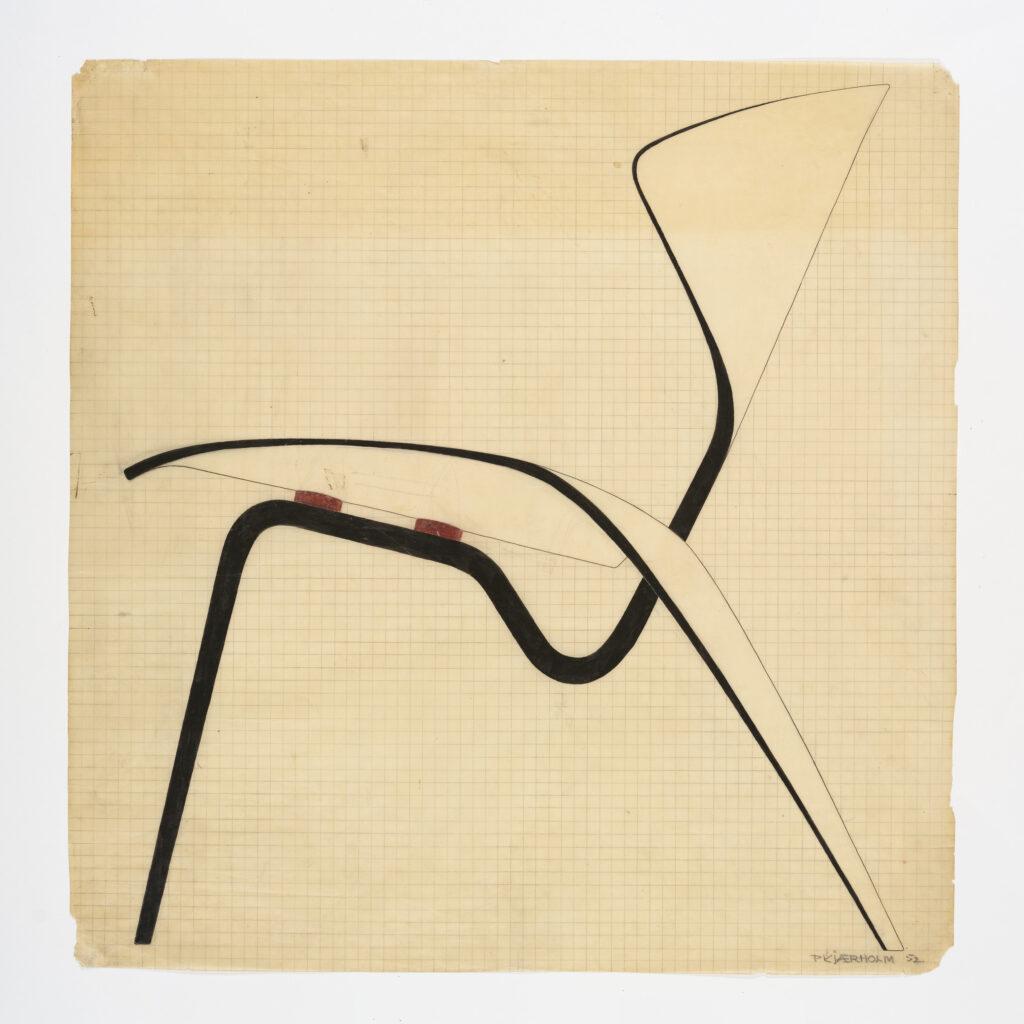
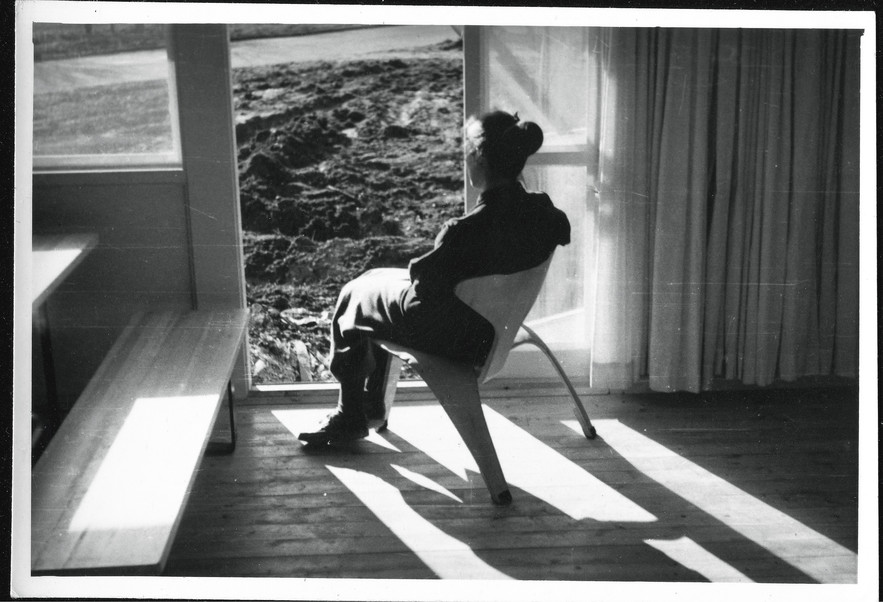
C.A.: We have done many reissues and archive launches over the years. Some simply because forgotten products have suddenly come in style again or technology has made it possible to manufacture very complex design pieces that were too complicated at the time of their creation. Since the 1990s, Fritz Hansen has relaunched both Arne Jacobsen and Poul Kjærholm pieces. The first was in 1997 and it was a special edition of the PK0 chair that Poul Kjærholm designed in 1952 but never realized.
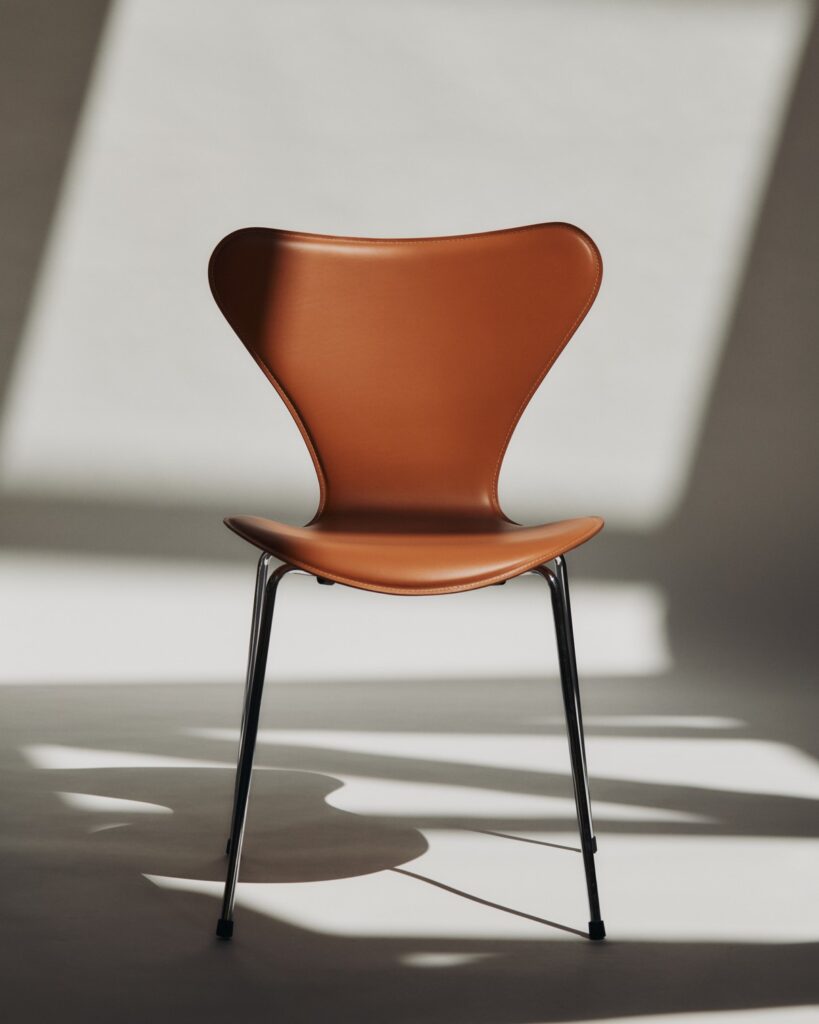
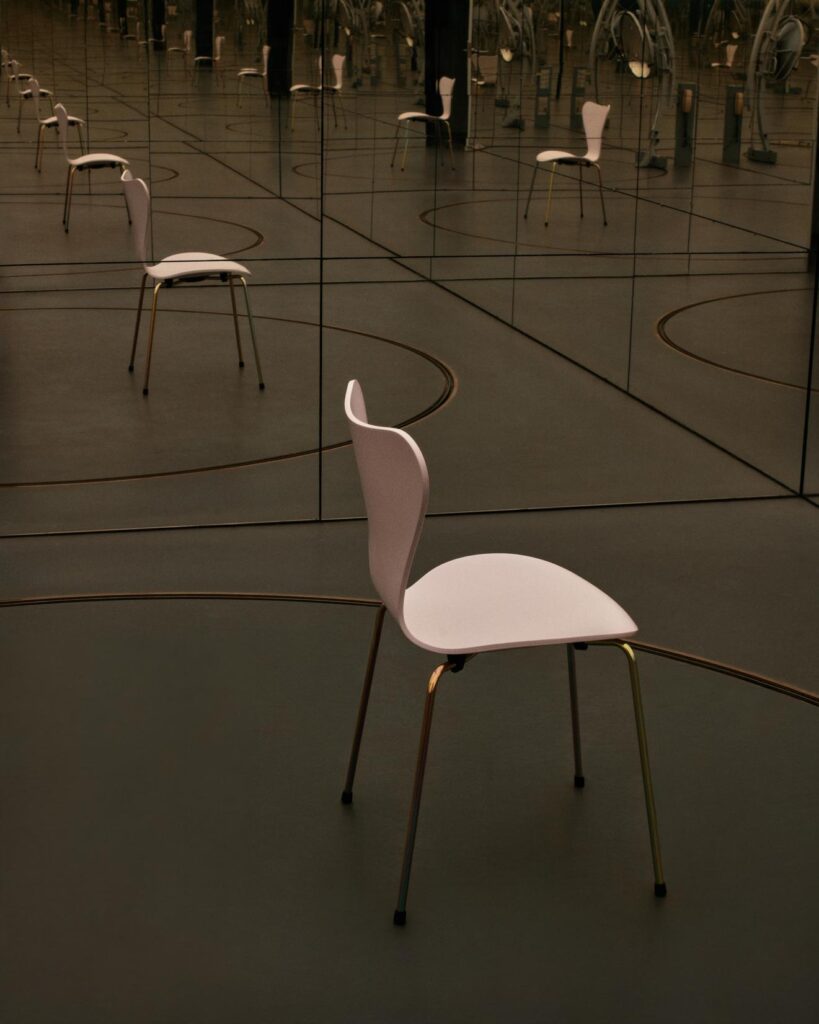
TLmag: Arne Jacobson’s Series 7 is like a canvas for the brand, with multiple interpretations and revisions – from the recent tailored version to the Verner Panton issue coming out this year. Is this piece the heart and soul, in some ways, of the company?
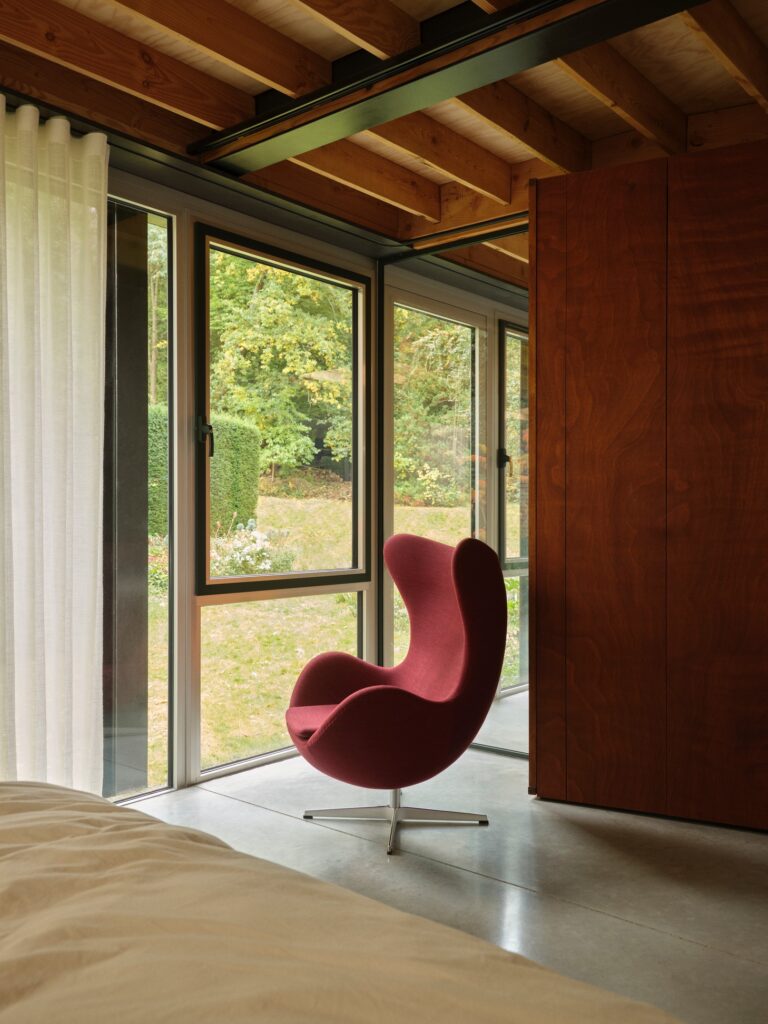
C.A.: The Series 7 chair is by far our most commercial and iconic product. Some of our more sculptural furniture might have a more recognizable idiom, but the Series 7 chair, in its many adaptations and variations, is for us the core of our design DNA and represents simplicity and beauty in its form. This gives it a very central place in our collection.
TLmag: Does Fritz Hansen buy old pieces from early collections to add into their archive, such as historic Fritz Hansen produced pieces that might have not been saved or were lost? Do they collect other historic Danish Design pieces that are not Fritz Hansen?
C.A.: Our archive is a company archive only holding the products from our own collection. We occasionally buy essential pieces if they are missing in our archive. It is an active archive where pieces travel to exhibitions and are rotating in our Design Hall keeping it alive and telling new stories about us and the designers.
TLmag: Another close relationship is with the Poul Kjaerholm’s archive. Can you talk a bit about this unique partnership?
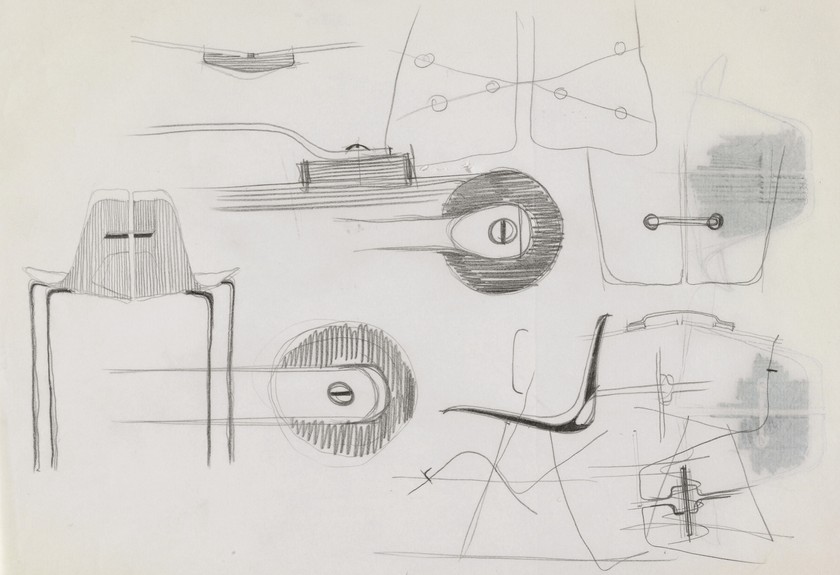
C.A. The Poul Kjærholm collection was entrusted to Fritz Hansen in 1982, 2 years after the death of Poul Kjærholm. From 1955 – 1982 the Poul Kjærholm products were manufactured by the company E. Kold Christensen. In 1982 Fritz Hansen took over the manufacturing rights of the products. To this day our collaboration is with the Kjærholm family. We have an ongoing dialog with the family today represented by the 2 children of Poul Kjærholm, and we develop and maintain the product legacy and in the last 10 years we have relaunched some of the remaining Poul Kjærholm pieces from the portfolio bringing almost all his designs into production.
TLmag: There is a deep connection between the company and Denmark itself – from is relationships with designers to historic places – such as the theatre by Arne Jacobson or the SAS Hotel. How does the company see itself in that regard? The importance of preserving this groundbreaking history is part of its mission?
C.A.: We see ourselves – humbly – as being a major part of Danish design history. Our position is shaped by the entrepreneurship of the Fritz Hansen family alongside the amazing richness of talented Danish designers merging into what today is considered the core of Danish Design. Our ability to produce, market and innovate on ideas from designers like Jacobsen, Wegner, Mogensen and Panton created our company and the foundation it stands on. Neither would have had success alone and that relation between the designer and a manufacturer is still our philosophy and crucial in striving to be a modern, unique and innovative company.
TLmag: Are there any upcoming reissues this year?
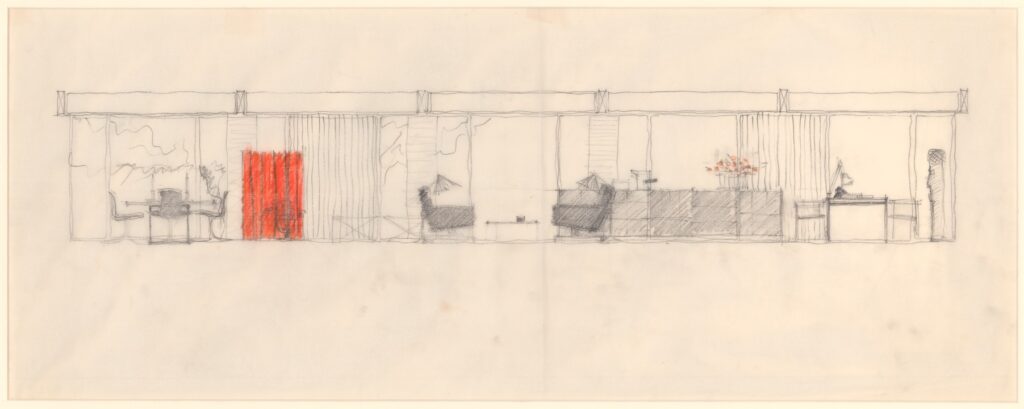
C.A.: In 2026 we are reissuing the PK 111 screen wall by Poul Kjærholm that has never been in production with Fritz Hansen.

Articles you also might like
From a barn in rural Spain, to a small showroom in London, to collections with designers including Neri & Hu, Manuel Aires Mateus and Sam Baron, De La Espada continues to innovate and expand while always staying true to its belief in slow, handcrafted design.
During 3 Days of Design, TLmag sat down with Fritz Hansen’s new Creative Director, Els Van Hoorebeeck, and designer Michael Anastassiades, who introduces the After Series—a solid wood table and chair collection—for the iconic Danish heritage brand.
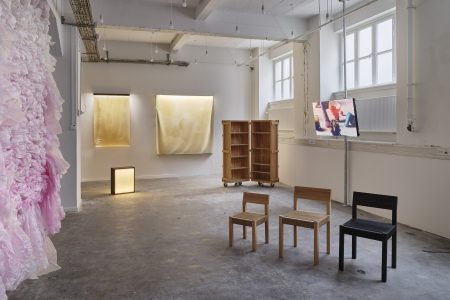
On October 5th, The Mindcraft Project opened its annual exhibition featuring Danish designers and makers who collaborate with nature.
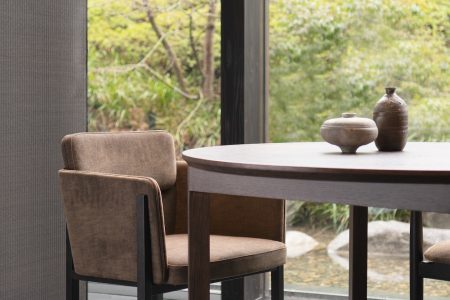
Danish design studio OEO, showcases its signature Japandi style for the newest noma pop-up in Kyoto.