

Peggy Guggenheim in London: The Making of a Collector
From April 25 through October 19, 2026, the Peggy Guggenheim Collection presents Peggy Guggenheim in London: The Making of a Collector, the first large-scale museum exhibition dedicated to Peggy Guggenheim’s years in London and her first gallery, Guggenheim Jeune.
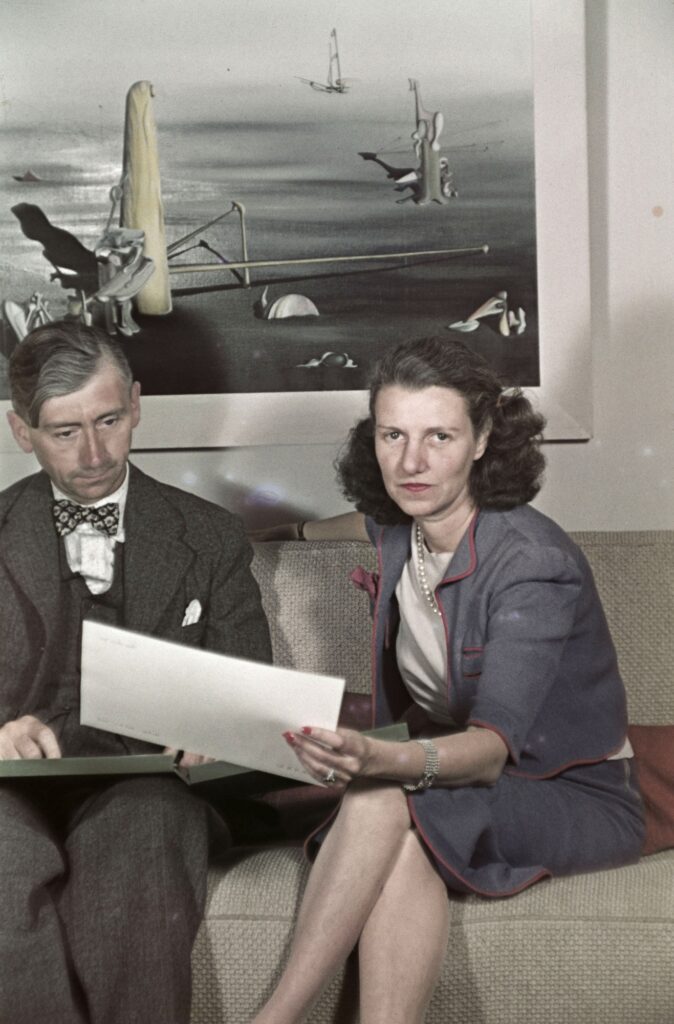
Peggy Guggenheim remains one of the most legendary art collectors, even after almost a century since she first began supporting modern artists and exhibiting radical art for an audience that was not always ready to understand what she was doing. In many ways, Guggenheim was a disrupter, pushing past the traditional way of presenting art and how one goes about collecting. Her New York gallery, Art of the Century, stands out for its wild, anti-minimalist architecture designed by Frederik Keisler, and for its contribution for turning the art world’s eye away from Paris and to New York, where it would reign strong for the next several decades. But Guggenheim had a gallery in London for 18-months, before her move to New York, just at the outbreak of WWII.
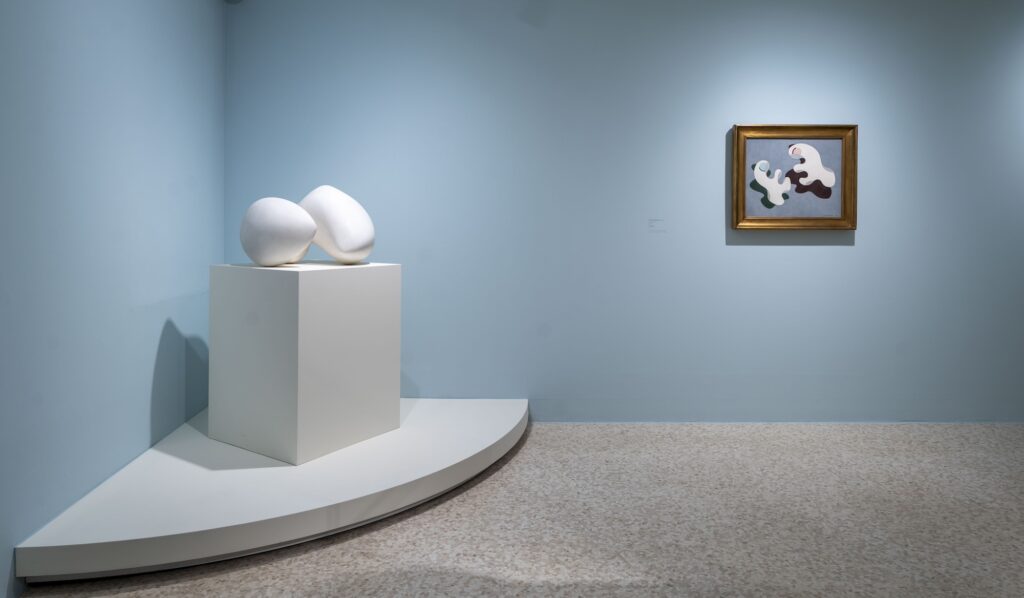
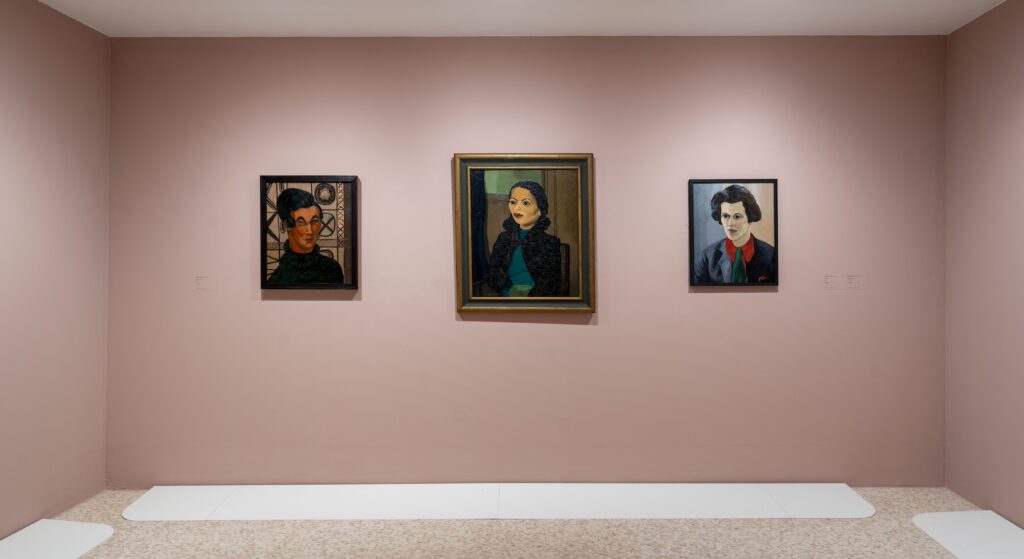
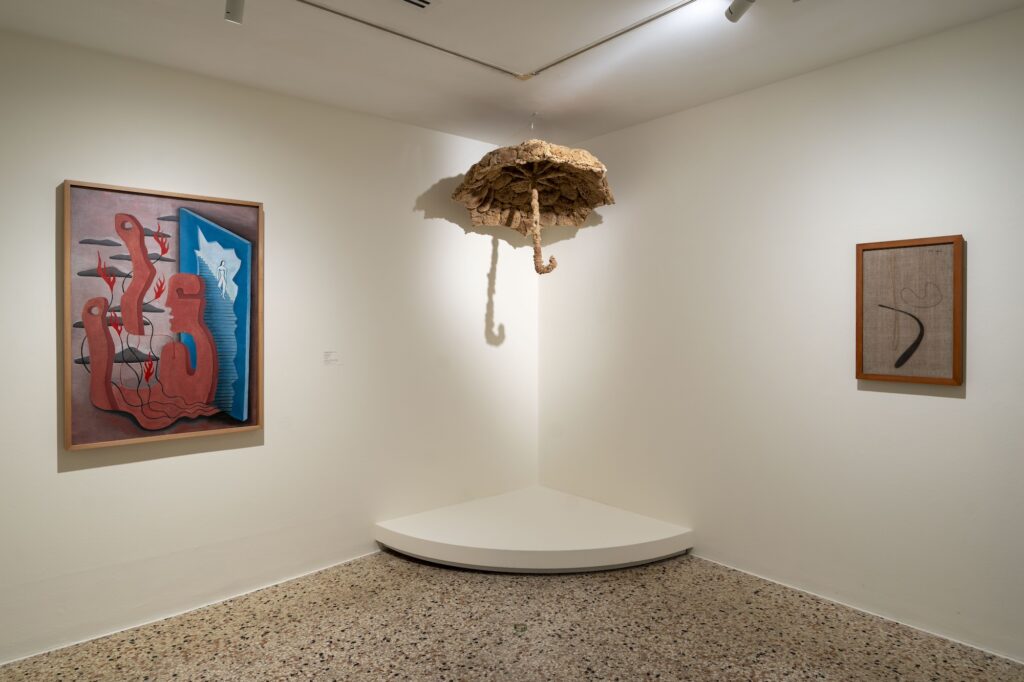
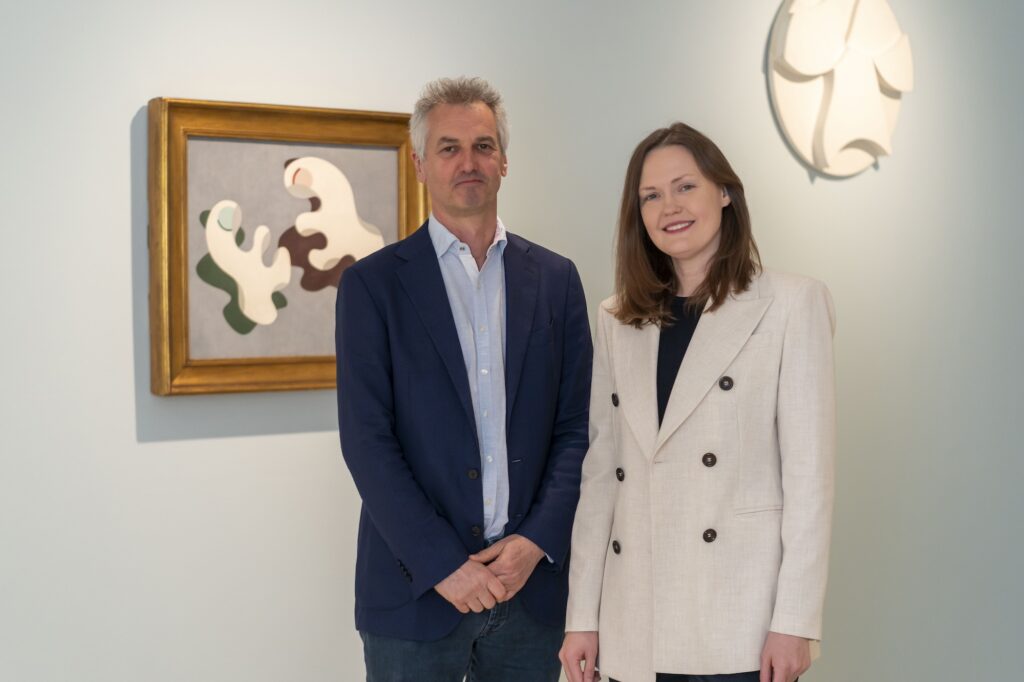
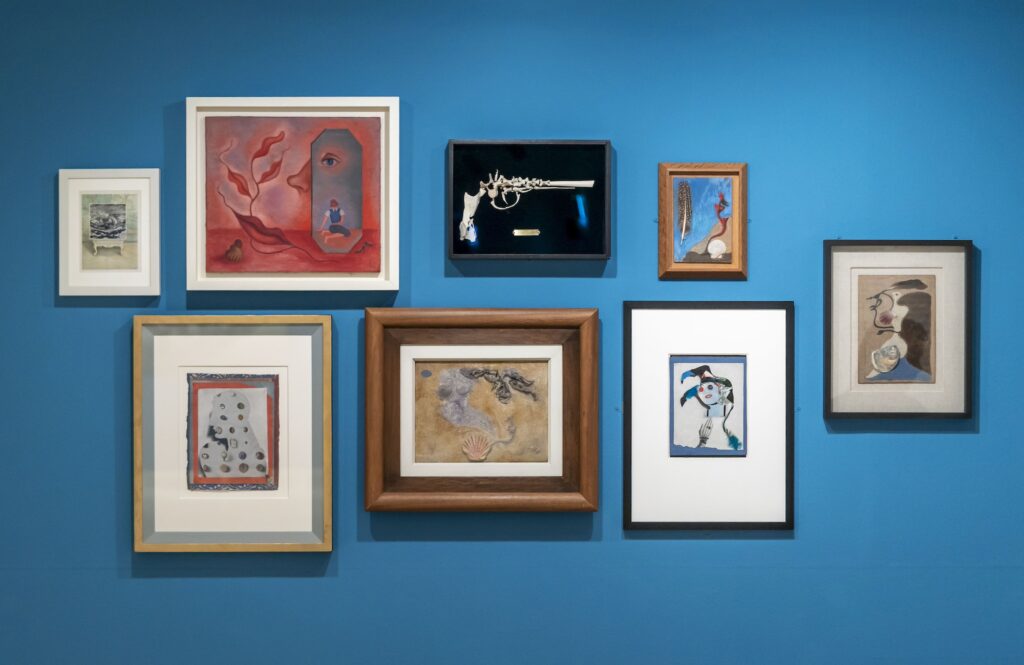
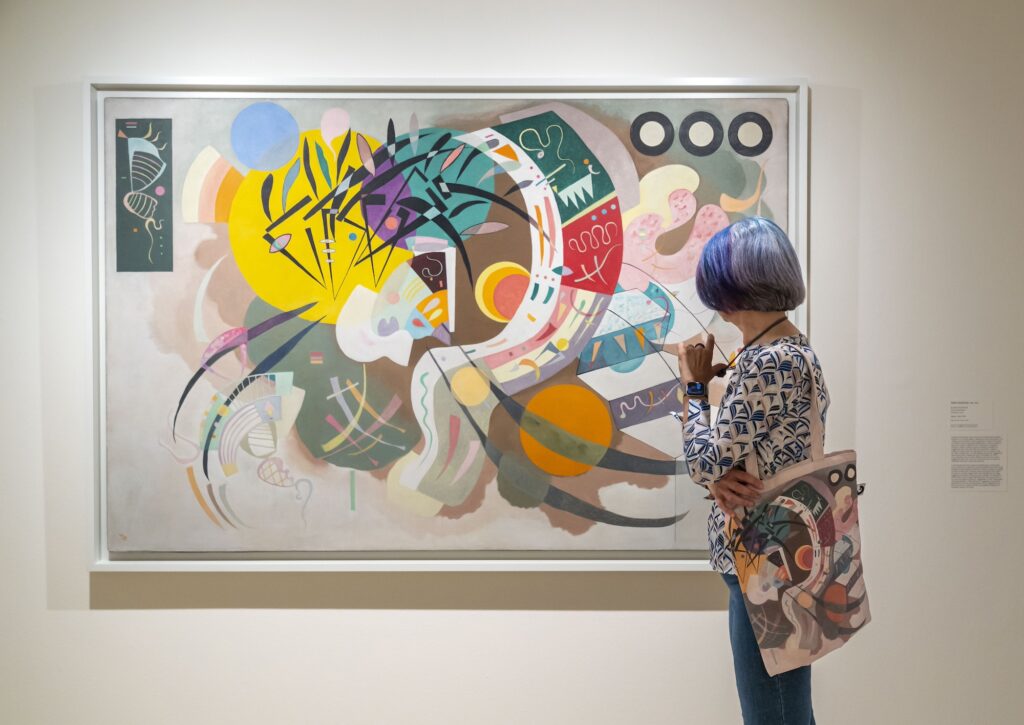
Peggy Guggenheim in London: The Making of a Collector, now on view at the Peggy Guggenheim Collection in Venice, is the first large-scale museum exhibition to turn its full attention to Guggenheim’s work as a gallerist in pre-war Britain. Located at 30 Cork Street, the Guggenheim Jeune gallery put together twenty exhibitions in 18-months, including Vasily Kandinsky’s first solo show in the United Kingdom, the first British group exhibition dedicated to collage, and a controversial contemporary sculpture show that was debated in Parliament. She championed women artists, gave platforms to émigrés fleeing fascism, and operated the gallery as what the exhibition catalogue describes as “a quiet but powerful form of resistance.” Organized by Gražina Subelytė and guest curator Simon Grant, the show brings together approximately one hundred works — paintings, sculptures, prints, photographs, puppets, and archival material — many reunited for the first time since their original presentation at Guggenheim Jeune between January 1938 and June 1939.
The name of the gallery reflects Peggy’s wit as well as her understanding of the hierarchies and male-dominated artworld of the time. ‘Jeune’ plays off of the French word for young, it also references the famous Parisian gallery, Bernheim Jeune, but it also distinguished Peggy from her uncle Solomon, who was already a domineering figure in the art world ahead of opening the Solomon R. Guggenheim Museum in New York. As “jeune” she reinforced her younger upstart approach to art collecting. The name was suggested by the gallery manager, Wyn Henderson, who was herself an important connector of the gallery, helping to facilitate the exhibitions and relationships between artists and collectors.
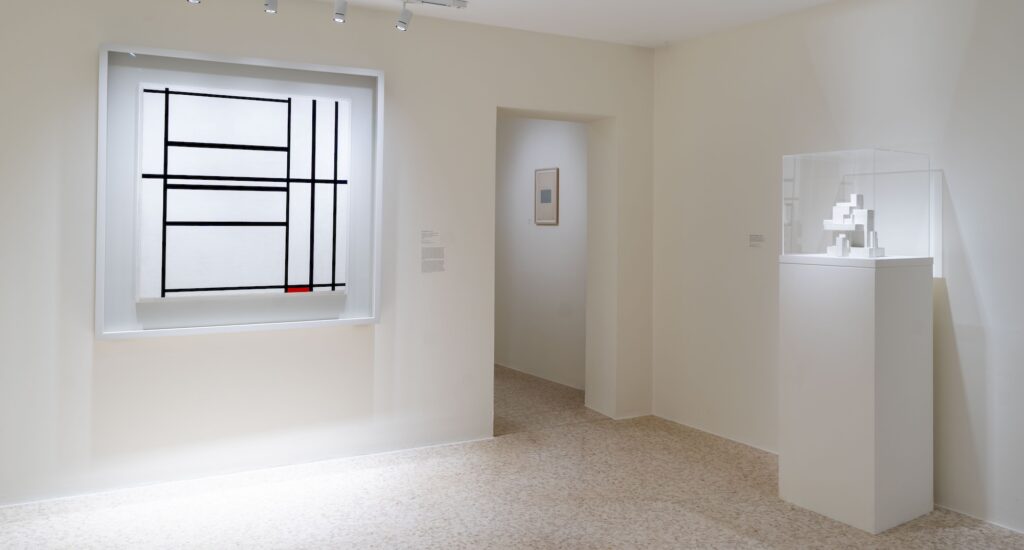
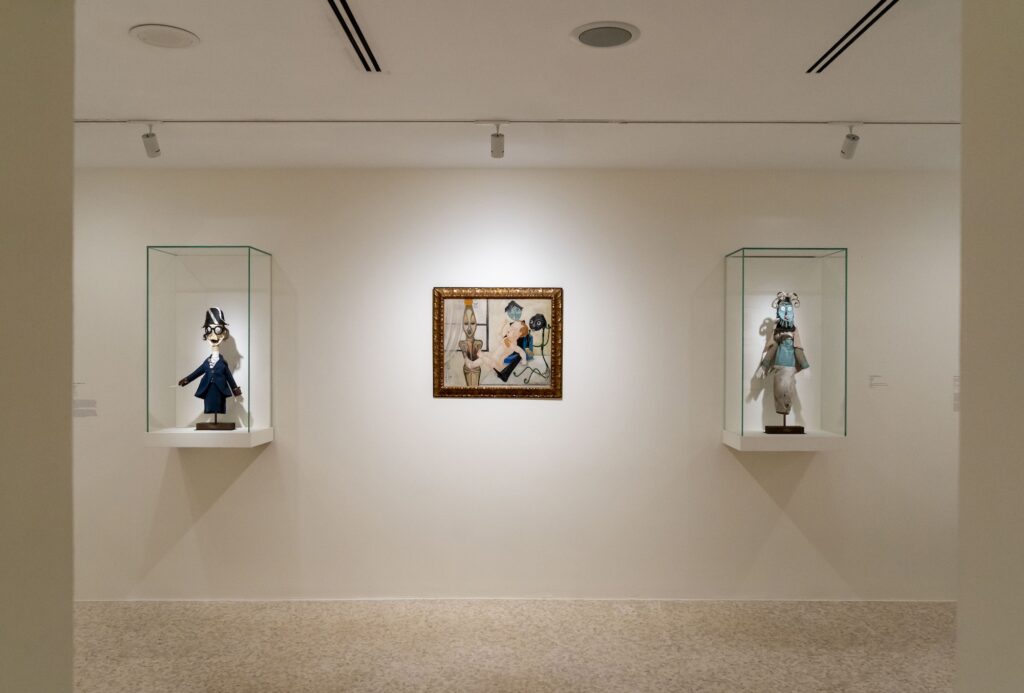
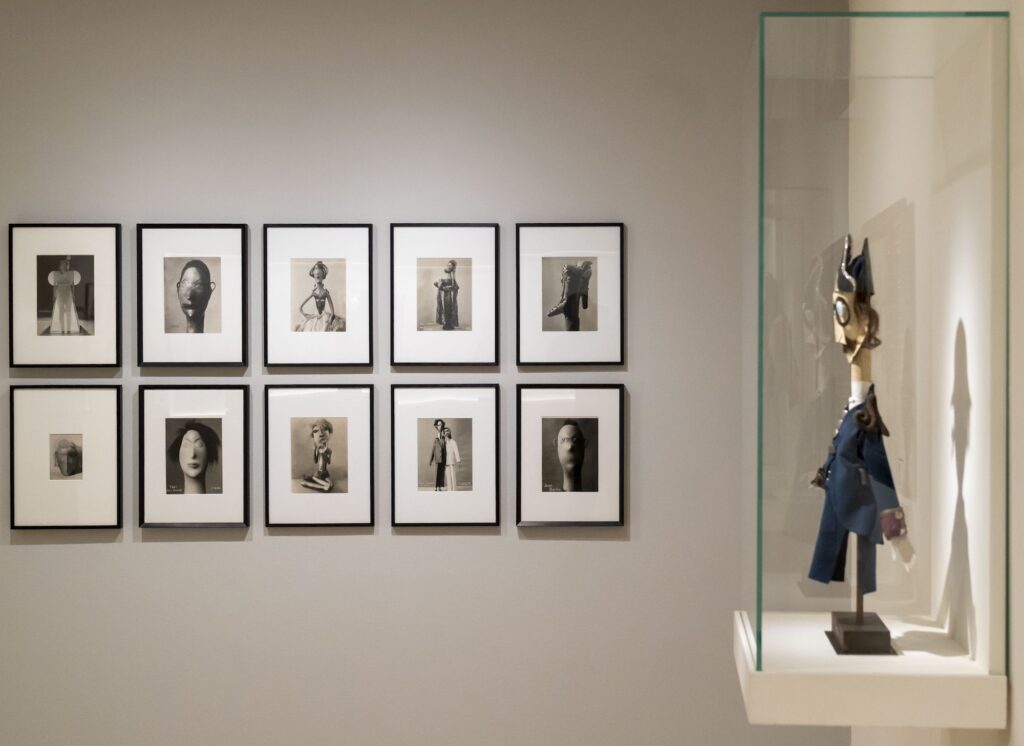
The show moves through eleven gallery rooms that mirror the original programming of Guggenheim Jeune bringing both a scholarly and emotional approach to the exhibition. Kandinsky’s luminous abstractions from his Paris exile years; Marie Vassilieff’s extraordinary portrait dolls, crafted from fabric, cardboard, and celluloid, occupy another with an almost theatrical intensity. There are Henry Moore bronzes, Sophie Taeuber-Arp reliefs, and a Piet Mondrian grid painting that Guggenheim acquired on the spot. Archival scrapbooks, press clippings, and original exhibition catalogues designed by Wyn Henderson, who had worked for many years for independent literary presses, bring this historic moment into focus.
Peggy Guggenheim in London: The Making of a Collector reminds us of Peggy Guggenheim’s critical contribution to the success of many modern artists. She brought personal conviction along an incredibly intuitive instinct about art. She supported artists financially and forged valuable connections and friendships that would help grow and sustain artistic careers. As Subelytė has noted, this period was “crucial in shaping Guggenheim’s identity as a patron of the arts.”
After Venice, the exhibition travels to the Royal Academy of Arts, London (21 November 2026 – 14 March 2027), before concluding at the Solomon R. Guggenheim Museum, New York, in 2027.

Articles you also might like
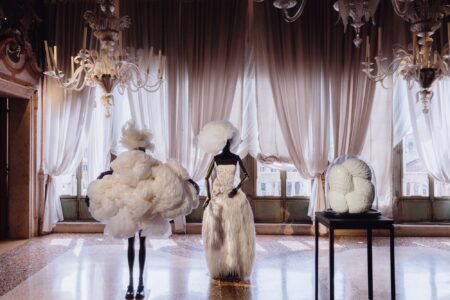
The Only True Protest is Beauty, Fondazione Dries Van Noten’s inaugural show at the Palazzo Pisani Moretta, is an illuminating presentation of contemporary fashion, design and craft that speaks to tradition, innovation and the power of art in all its senses. The show closes on October 4th.
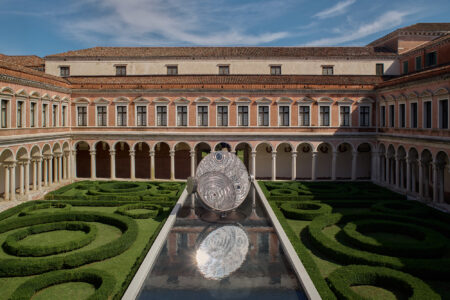
Between September 1- 30, Homo Faber: An Island of Light, presents its 4th edition at the Fondazione Giorgio Cini, featuring work by over 500 artists and a dynamic scenography by Es Devlin.
We are pleased to announce our 2027 Annual Edition TLmag 42- Why we Build Institutions: How Private Initiatives Shape the Future of Art with Guest Editor Patrizia Sandretto Re Rebaudengo. Release date: January 2027.
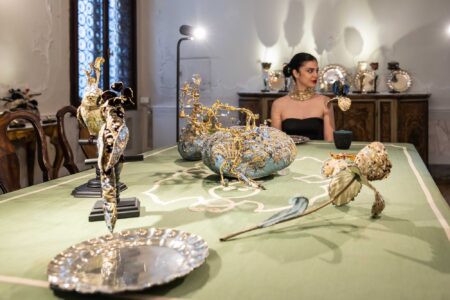
Between May 4-30, 2026, the Palazzo Nani Bernardo presents Objects of Desire, an exhibition of work by Marie-Dominique Saramito installed in the Porcelain room of the historic palazzo in Venice.