

The Antwerp Six at MoMu: A Revolution Revisited
MoMu celebrates the 40th anniversary of the Antwerp Six with a comprehensive exhibition that reassess and reaffirms the global impact of the six avant-garde designers, each of whom made their own mark in culture and fashion.
Forty years ago, six young Belgian designers rented a truck, packed their collections and drove to London. What happened next changed fashion forever. MoMu (Fashion Museum Antwerp) celebrates that moment with a major exhibition, The Antwerp Six, running from 28 March 2026 through 17 January 2027.
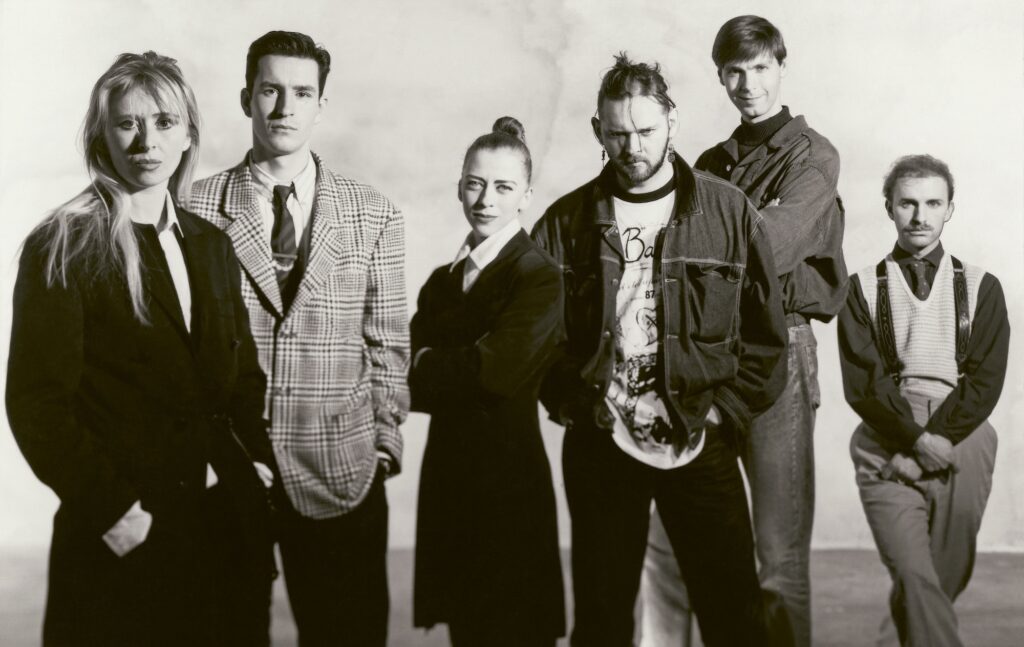
At a moment in fashion and cultural history when most eyes were still focused on Paris, with rumblings from London via Vivienne Westwood, and Jpana with Rei and Yoji, six young graduates from the Royal Academy of Fine Arts arrived to London’s British Designer Show in 1986, and took the fashion community and international press by surprise. The Antwerp Six brings together the work of Dirk Bikkembergs, Ann Demeulemeester, Walter Van Beirendonck, Dries Van Noten, Dirk Van Saene and Marina Yee, who joined forces to go to London to present their small collection. They were assigned 64 square metres on the second floor, among the bridalwear, and they still managed to change everything. Van Noten sold his collection to Barneys New York on the spot; within months, their names appeared in The Face, i-D, Elle UK and beyond.
“The Antwerp Six helped shape recent fashion history,” says MoMu Director Kaat Debo, who co-curated the exhibition alongside Geert Bruloot, the retailer and pioneer who was there in 1986, orchestrating the London debut himself, and MoMu curator Romy Cockx. “We are immensely proud that we can bring the work of these six iconic designers together for a unique, in-depth view of their legacy and their influence.”
As the exhibition points, out, The Antwerp Six became a powerful brand, even though the group never intended to be seen as one, nor did they ever operate as a label or collective. Yet, there is power in the group, and as a group, they were able to then show their individual voices and strike out onto distinct creative paths. The show traces that trajectory: from the rebellious Antwerp art and club scene of the late 1970s, through the Belgian government’s Textile Plan (which help support their burgeoning careers via the Golden Spindle competition), to their breakthrough in London and eventual solo ascents to Paris.
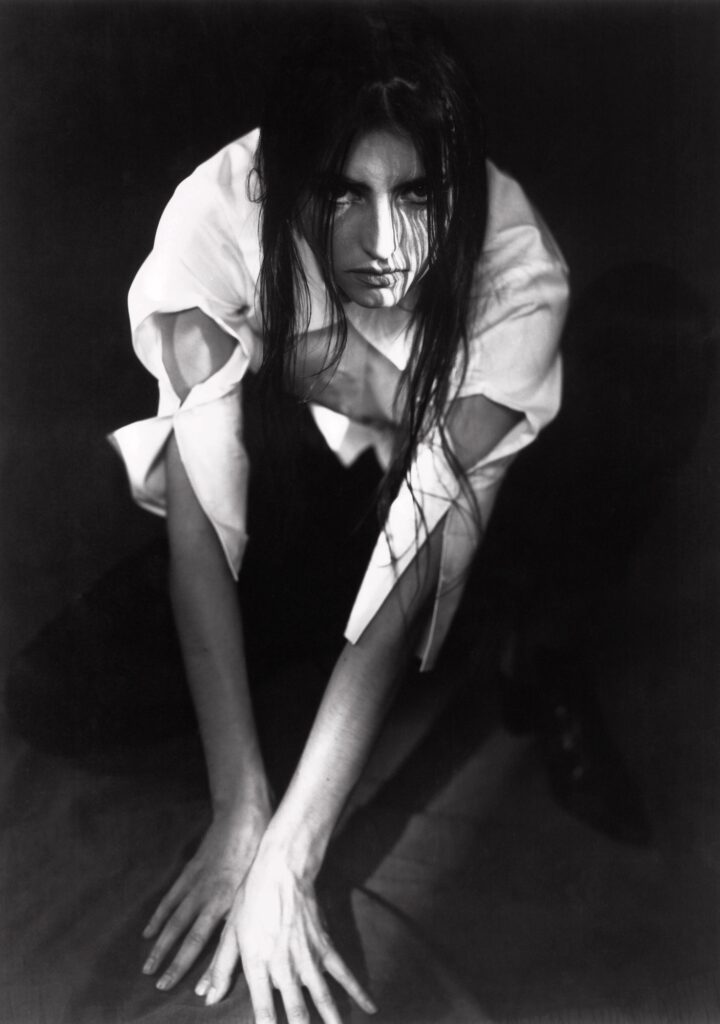
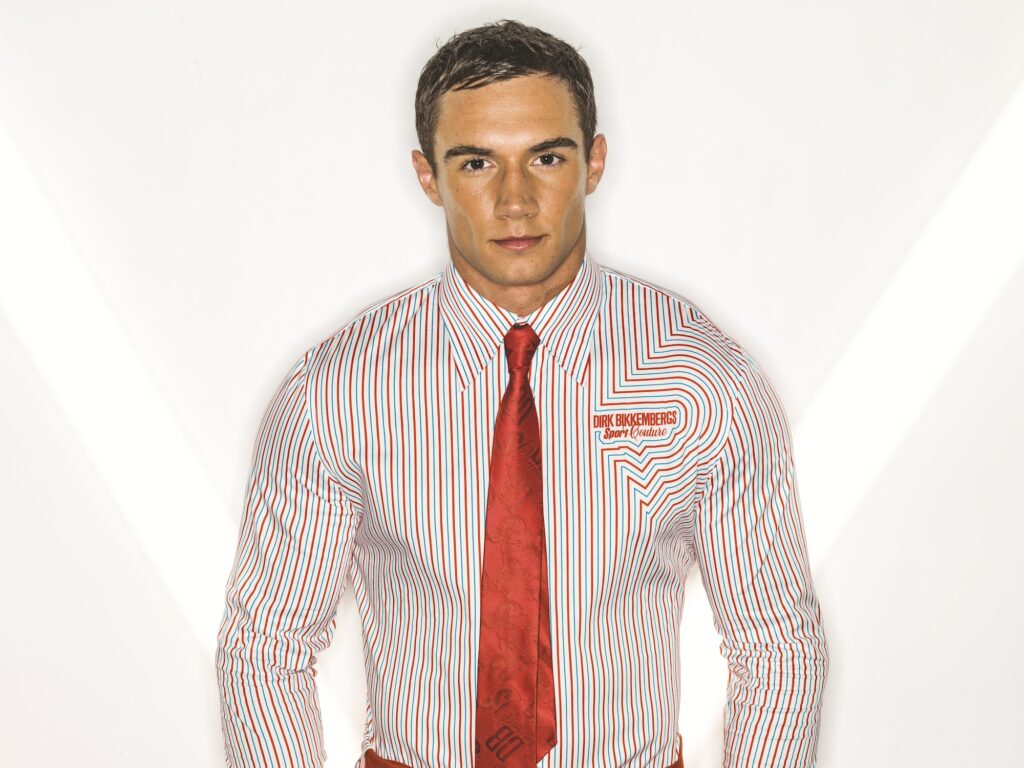
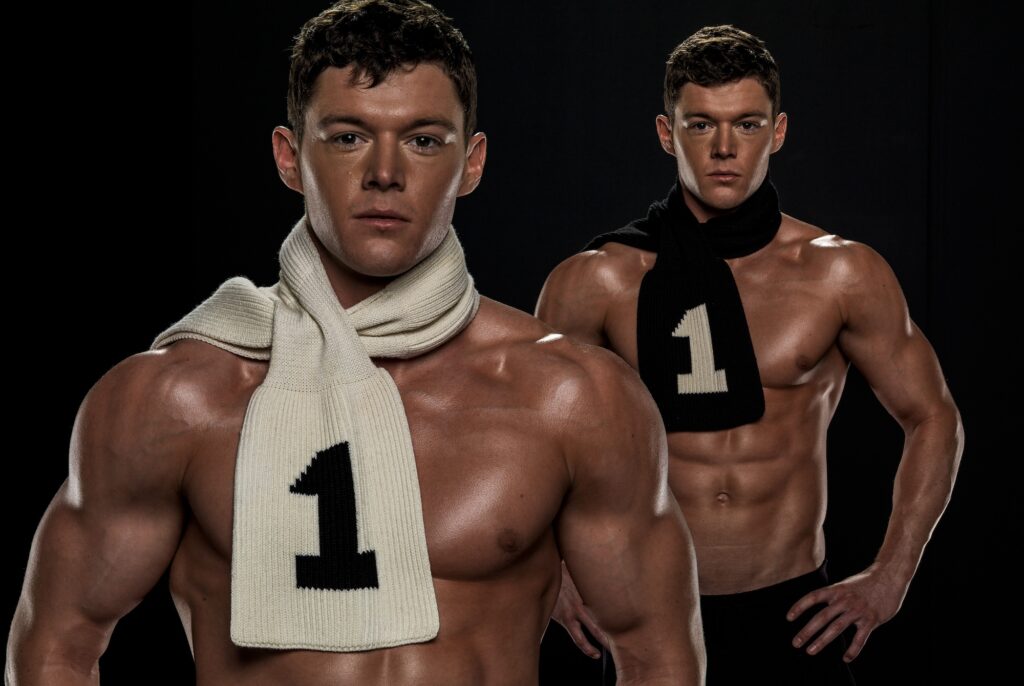
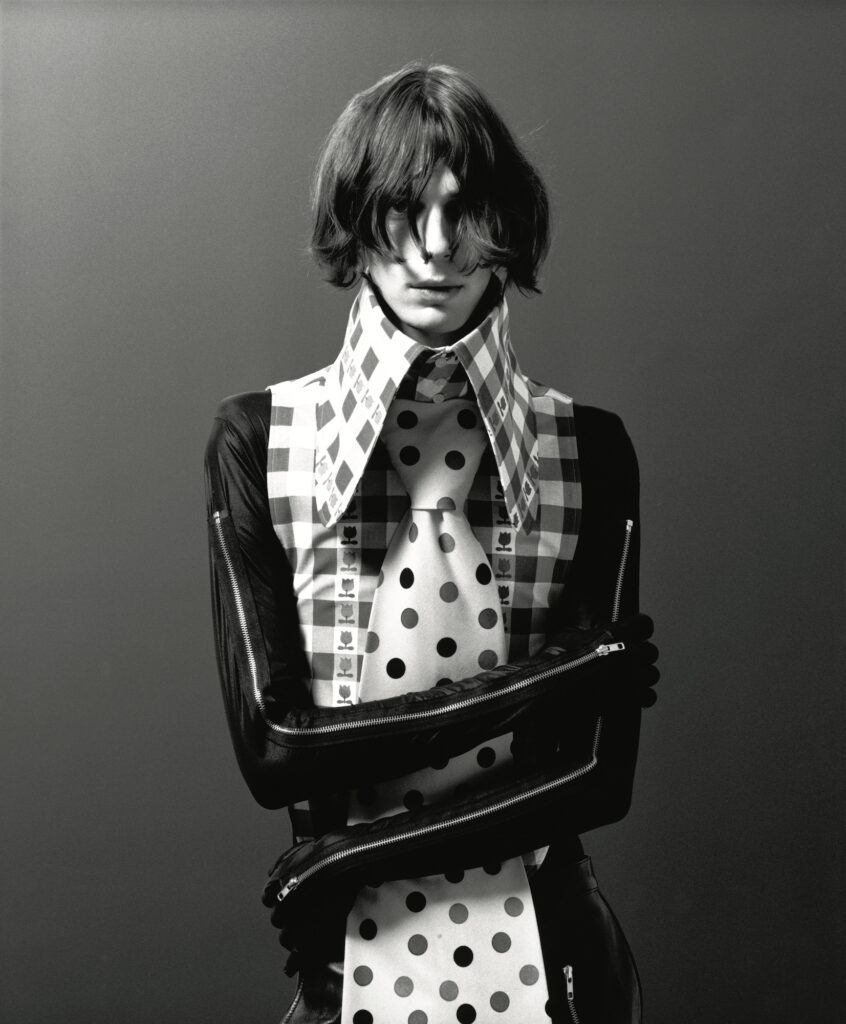
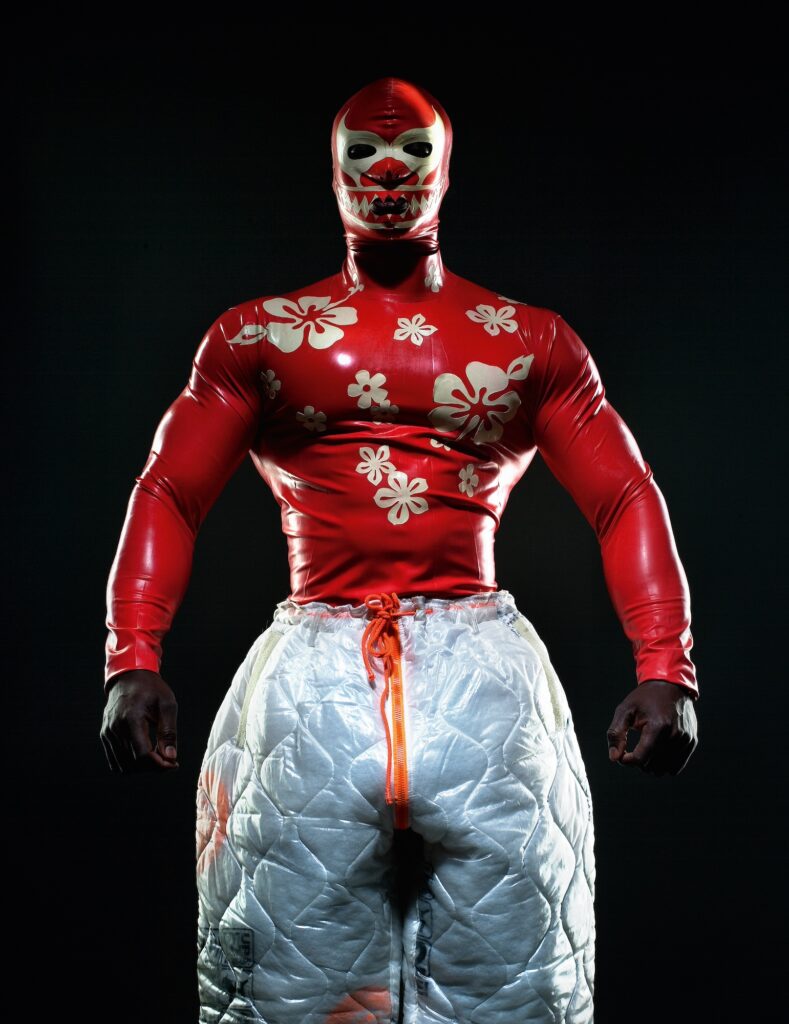
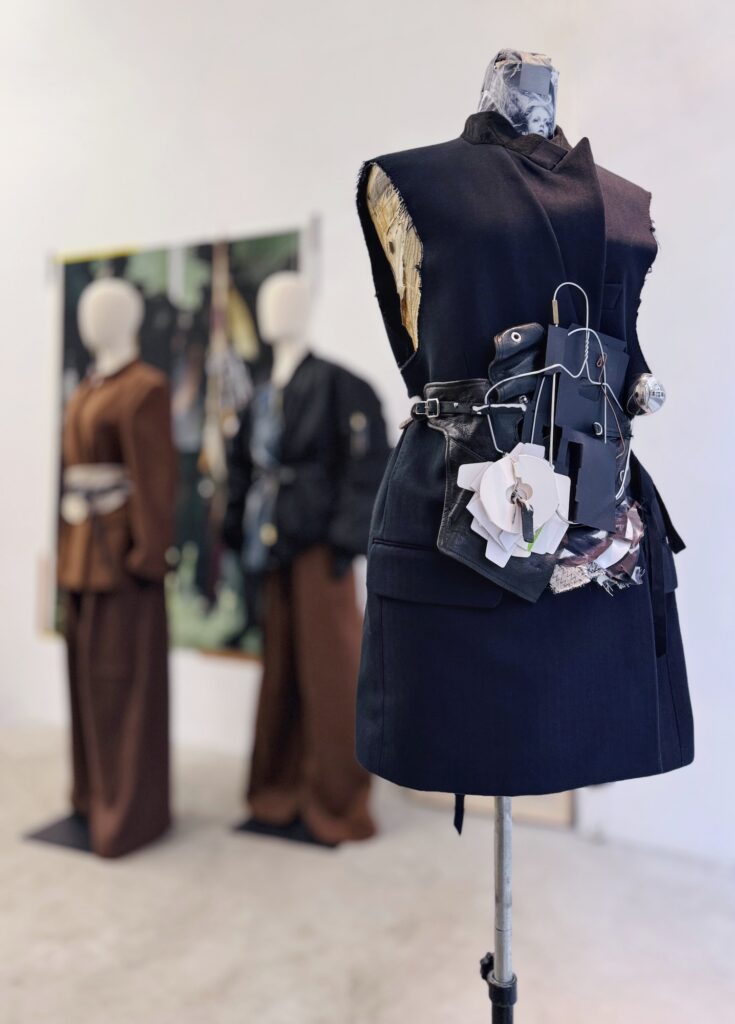
Each designer is given their own installation, and the differences are as illuminating as the connections. Bikkembergs, who went on to dress Inter Milan football club and pioneer what he coined “Sport Couture”, is shown as a designer always drawn to the athletic male body, robust, precise and architecturally constructed. Van Beirendonck emerges as fashion’s great provocateur: a designer who used his collections to address AIDS, queer identity and ecology at a time when the industry preferred to look away, and who later dressed U2 for their PopMart tour. Dirk Van Saene’s playful surrealism, trompe-l’oeil catsuits, suits made from medical bandages — sits alongside the quieter, more mystical practice of Marina Yee, whose later label M.Y. Collection, built on upcycled garments and intuitive making, was cut short by her death in November 2025.
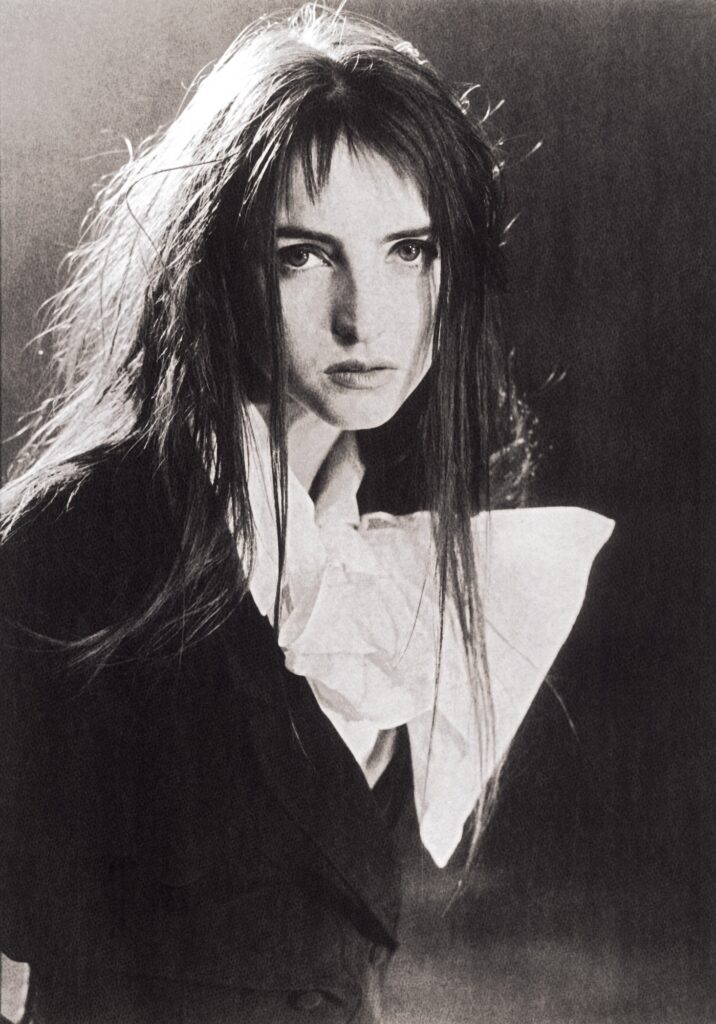
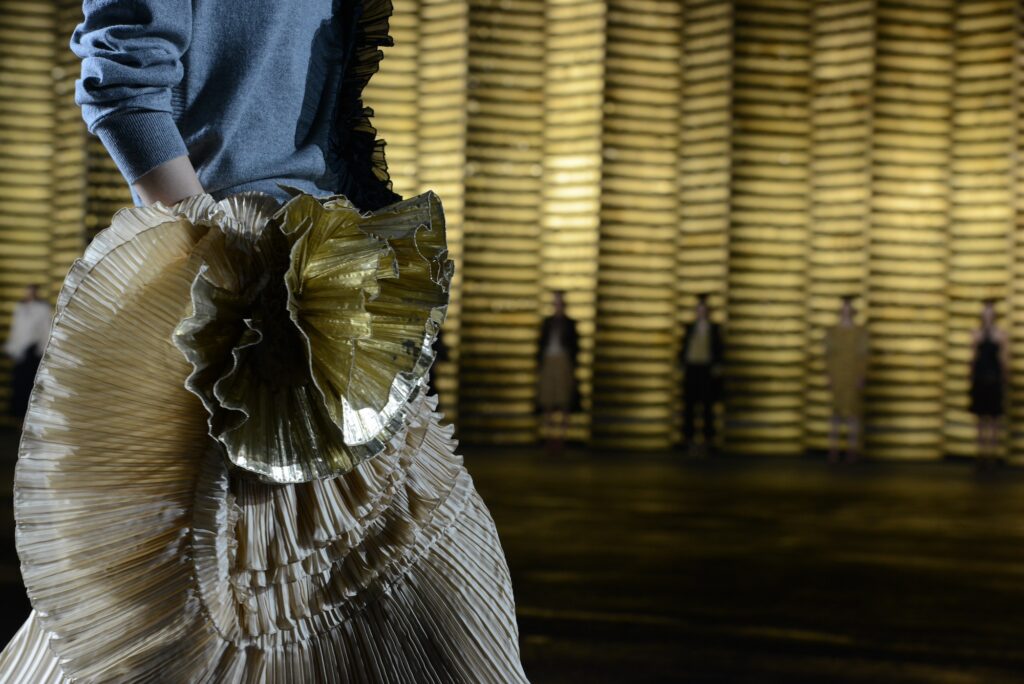
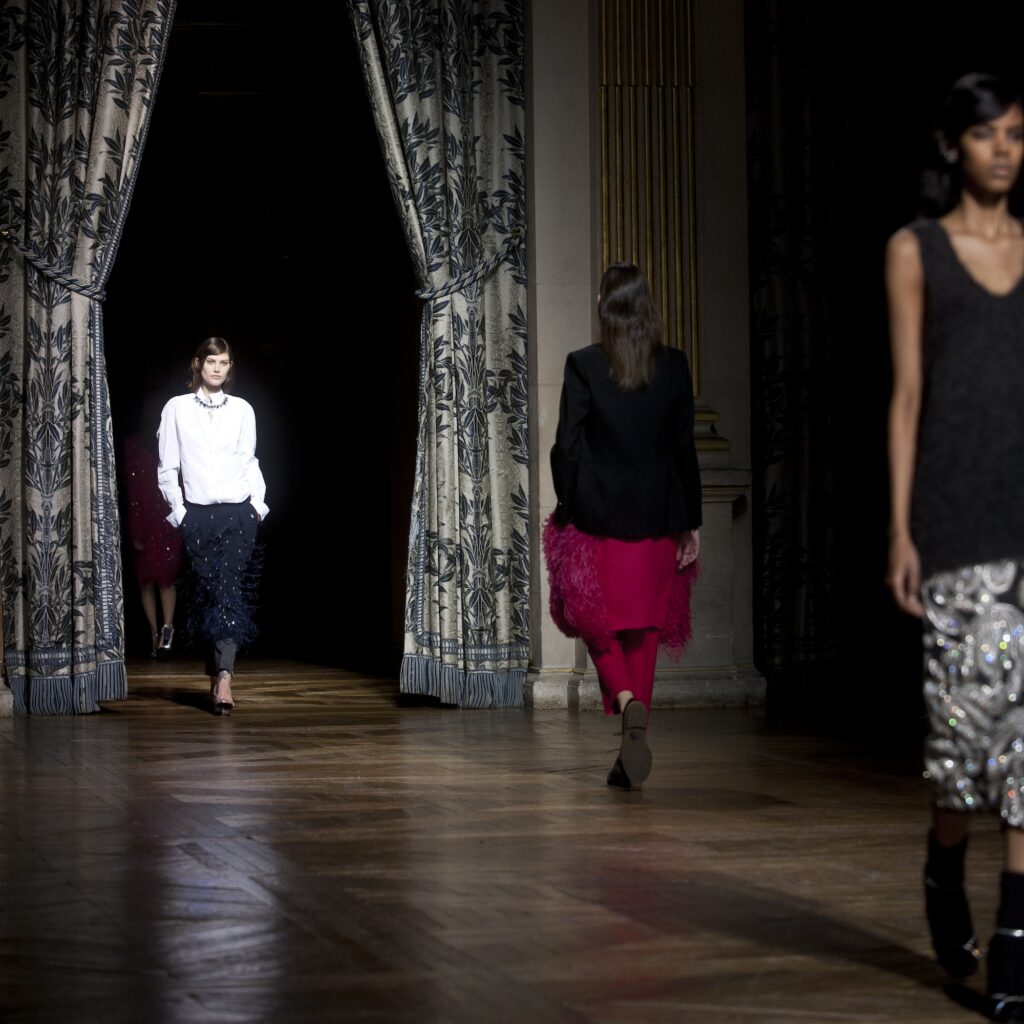
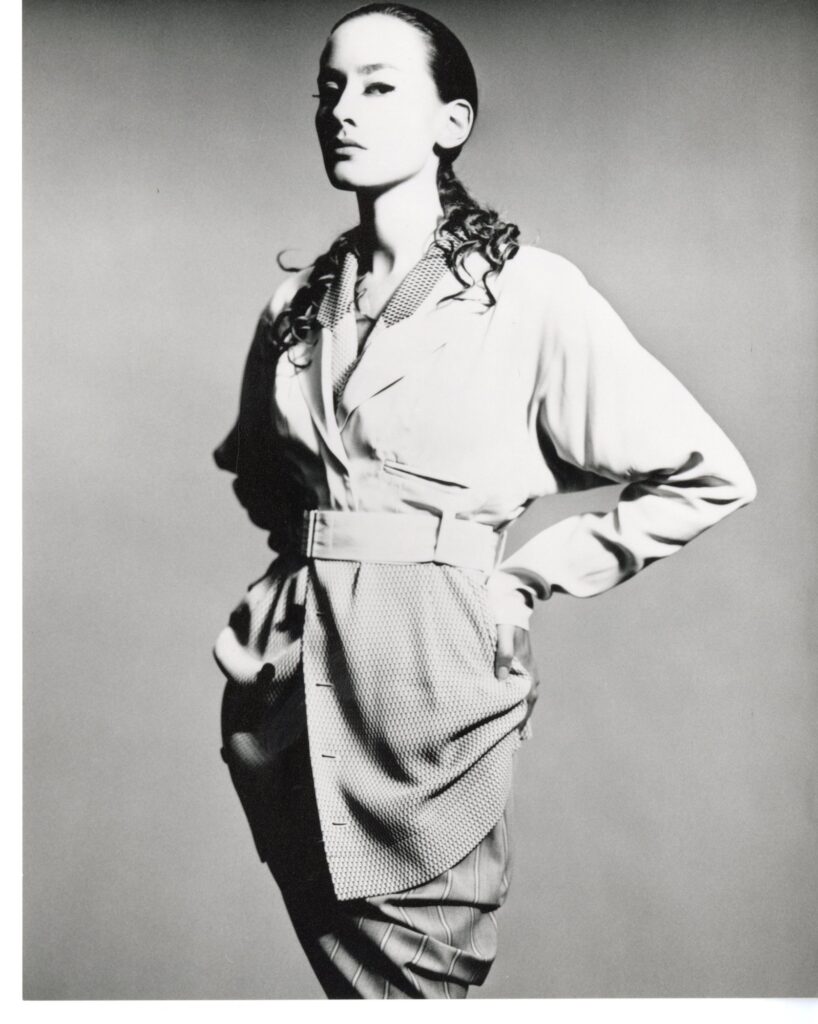
Two designers in particular defined what it meant for fashion to be both intellectually rigorous and emotionally resonant. Dries Van Noten, who presented his final collection as creative director in 2024 after more than three decades, built a house around the idea of the tableau vivant, fashion as a living image, shaped by prints, opulent fabrics and an ever-shifting web of cultural references. Ann Demeulemeester, meanwhile, developed a visual language of such internal consistency that the international press dubbed her “Queen Ann”: flowing bias-cut silhouettes, strategic asymmetry, black leather and feathers, all anchored in a tension between strength and vulnerability. Her first Paris womenswear show, in 1992, was an immediate sensation.
The exhibition is accompanied by an extensive programme of public events, a youth fashion project called REVERSE, and a richly illustrated 352-page publication from Hannibal featuring essays by Tim Blanks, Angelo Flaccavento and Eugene Rabkin. Together, they frame a story that is as much about conditions as it is about genius: the right city, the right moment, and six people willing to work extraordinarily hard for something they believed in.
The Antwerp Six runs at MoMu, Nationalestraat 28, Antwerp, until 17 January 2027.
More information at momu.be.

Articles you also might like
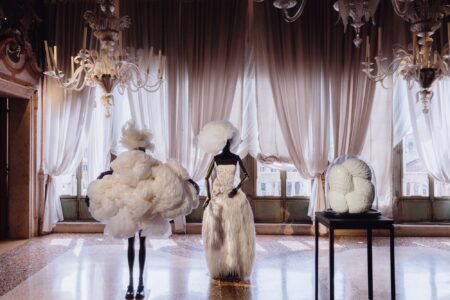
The Only True Protest is Beauty, Fondazione Dries Van Noten’s inaugural show at the Palazzo Pisani Moretta, is an illuminating presentation of contemporary fashion, design and craft that speaks to tradition, innovation and the power of art in all its senses. The show closes on October 4th.
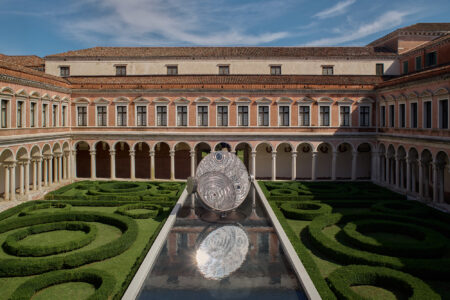
Between September 1- 30, Homo Faber: An Island of Light, presents its 4th edition at the Fondazione Giorgio Cini, featuring work by over 500 artists and a dynamic scenography by Es Devlin.
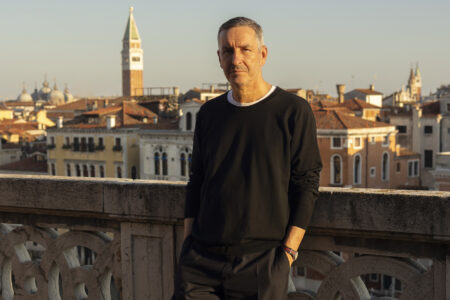
The Fondazione Dries Van Noten opens its inaugural exhibition “The Only True Protest is Beauty”, on April 25th. Curated by Dries Van Noten with Geert Bruloot, the presentation explores craftsmanship as a language of expression and a conduit for emotion. Marie Honnay spoke to the designer ahead of the event.
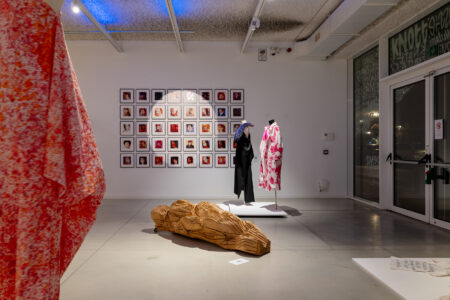
Jean-Paul Knott celebrates twenty-five years of creation, work and encounters with “KNOTT so MAD,” an exhibition on view at MAD Brussels through January 31st, 2026.