

Aldo Bakker: Strangely Familiar
The non-profit exhibition space Looiersgracht 60 presents Strangely Familiar, a solo show by Dutch artist and designer Aldo Bakker. The exhibition is on view through December 23, 2026.
Strangely Familiar is a subtle yet apt title for Aldo Bakker’s second solo exhibition with Looiersgracht 60, as it is the feeling one often has when experiencing a work by the artist and designer. Through form, material and a restrained and refined aesthetic, Bakker’s objects can often make us second guess their very intent, creating something alluring, if not slightly subversive, and which requires repeated reflection.
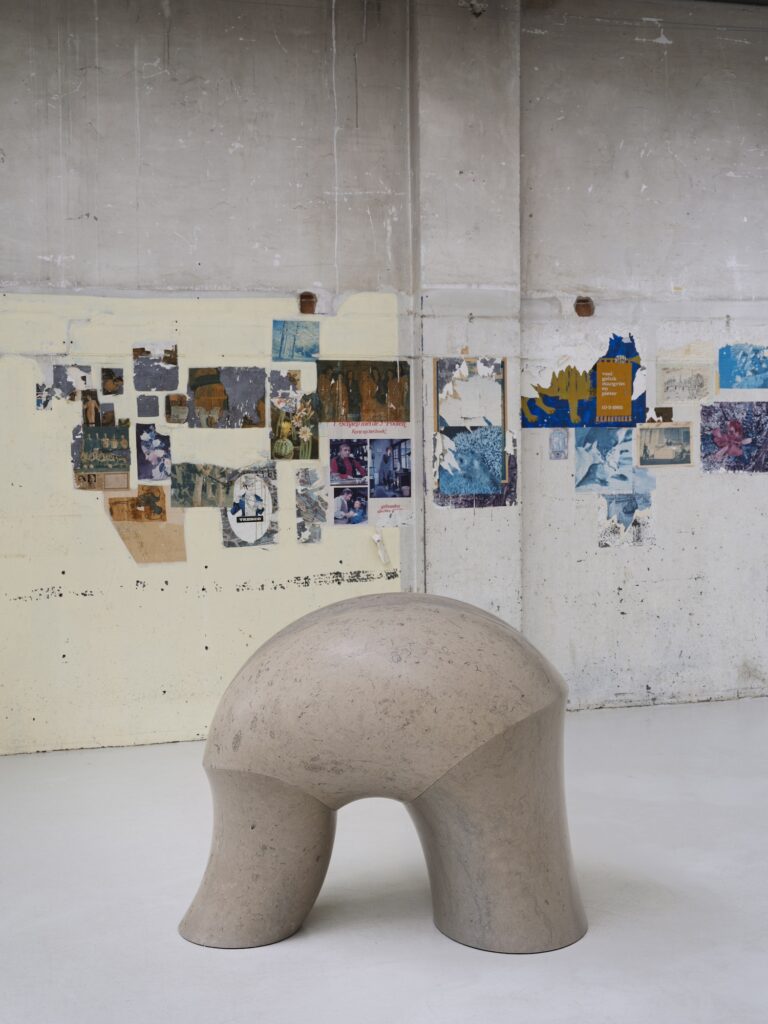
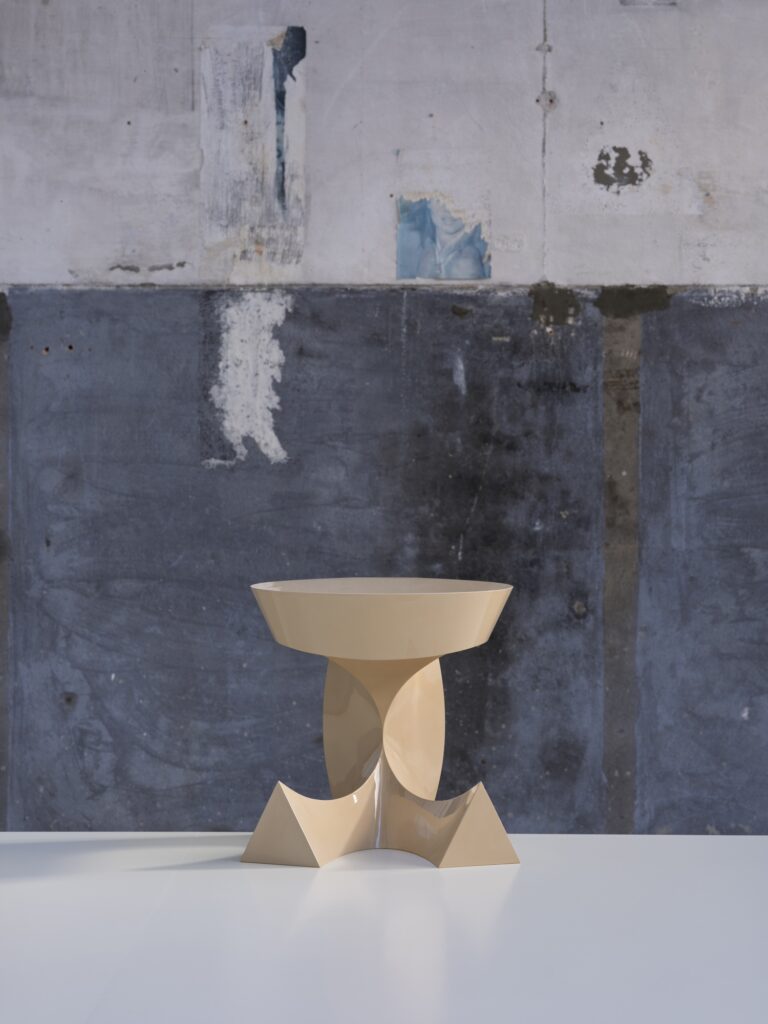
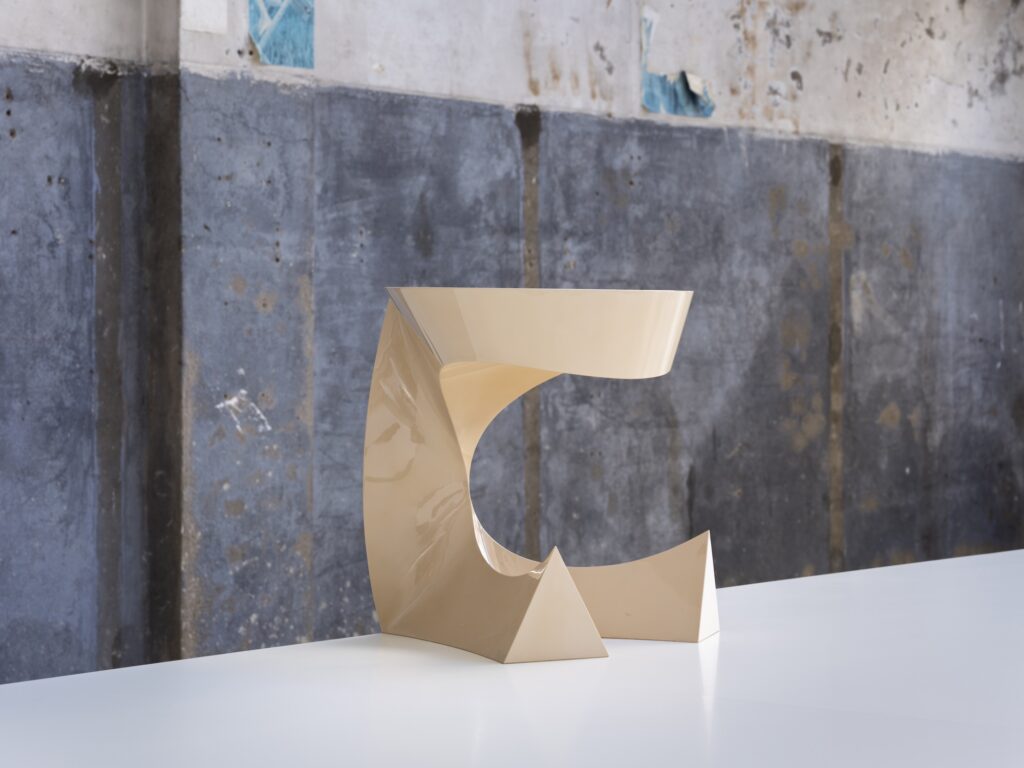
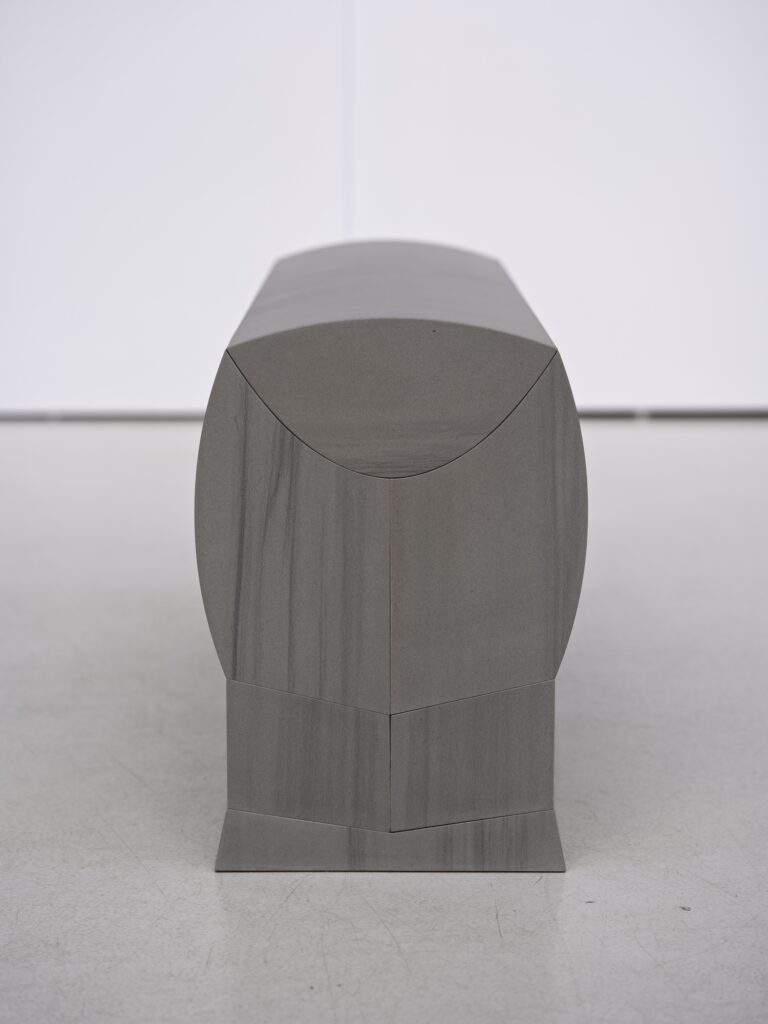
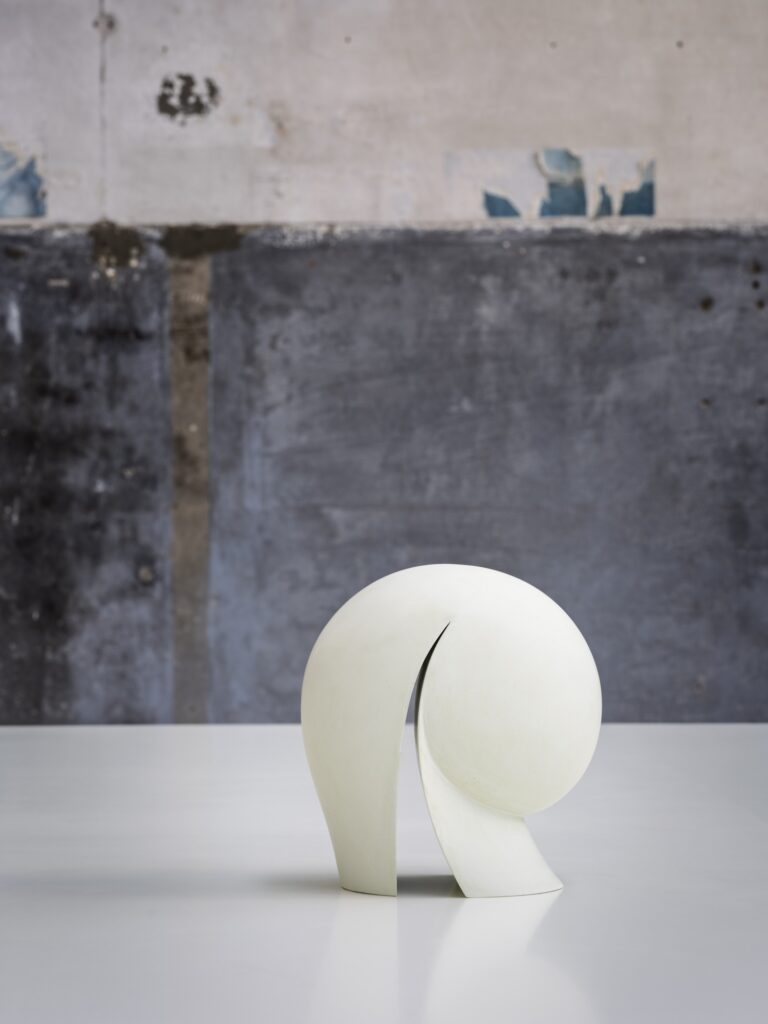
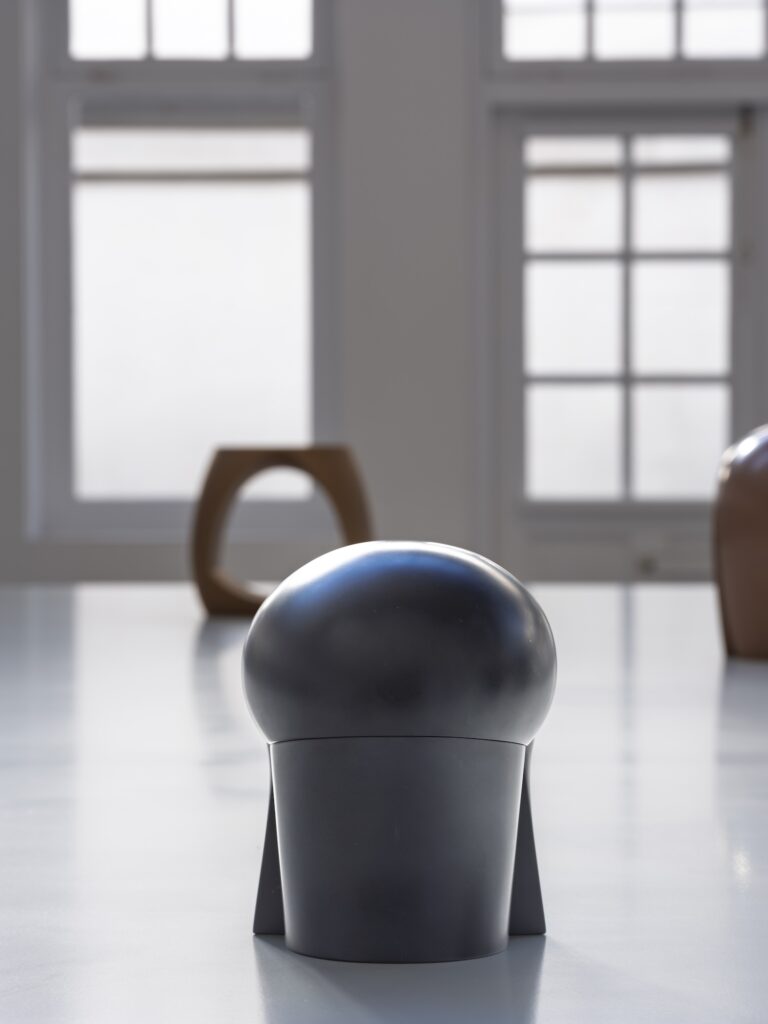
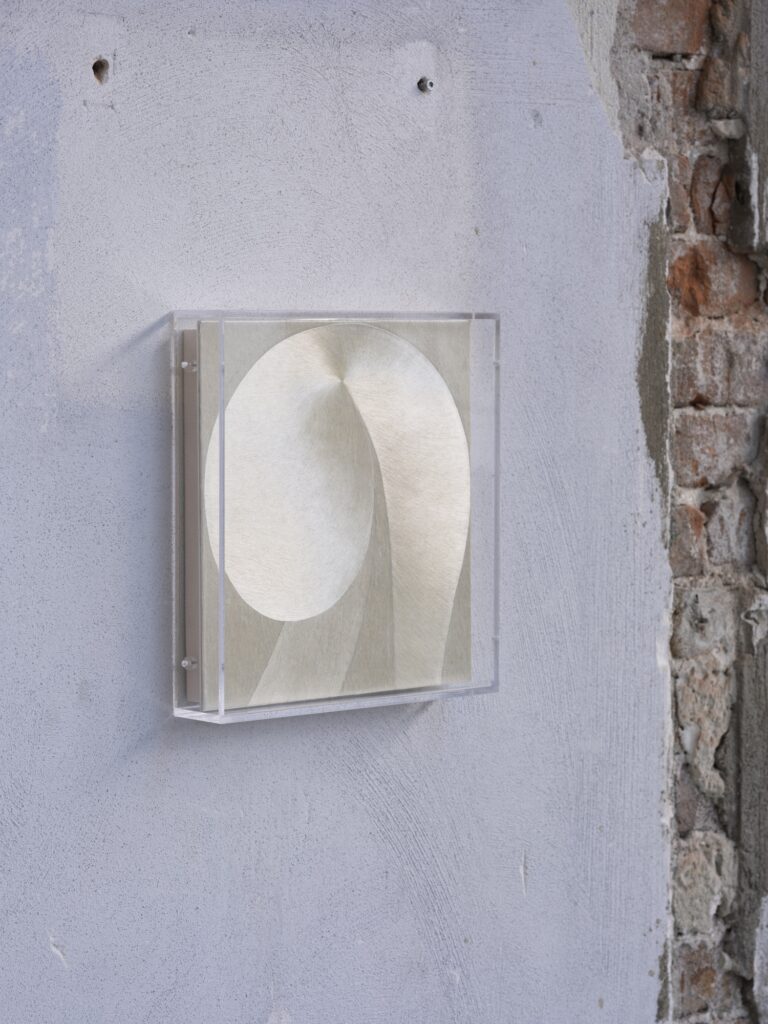
Strangely Familiar presents seven unique works, in a range of mediums, carefully selected and installed across the vast industrial space, giving visitors the opportunity to engage with the objects more intimately. Bakker exhibited Looiersgracht 60 in 2015, with an exhibition titled Containing Content, which was also the art centre’s first ever exhibition, and featured five pouring vessels set on individual pedestals. For Strangely Familiar, they wanted to continue a conversation that began with Containing Content, while also bringing in a new perspective on Bakker’s work. As Nadine Snijders, co-founder of Looiersgracht 60, explains, “we wanted to bring the sculptural dimension of Aldo’s practice more explicitly to the foreground. Although his work has often been approached through the lens of design, we have always felt that a sculptural sensibility was present, even in his earlier, smaller objects.”
In Strangely Familiar, “scale becomes a means of release,” and “objects enter fully into their own terms, liberating themselves entirely from questions of functionality and conditions of legitimacy,” writes Snijders. With this exhibition, Bakker pushes his work further into the unknown and undefinable. While a few of the objects in the exhibition could be functional, works like B or Grin connect more with the sculptural intentions of Brancusi. Children also enjoy them in another way, by climbing on them or under them, further eroding any specific intention. Bakker says, “all the works still draw on the same source – an appreciation of and exploration of everyday life – but this new scale for B seems to suit the object exceptionally well; not only is it nice that children can climb on it, but the physicality of this design seems to relate better to the viewer.”
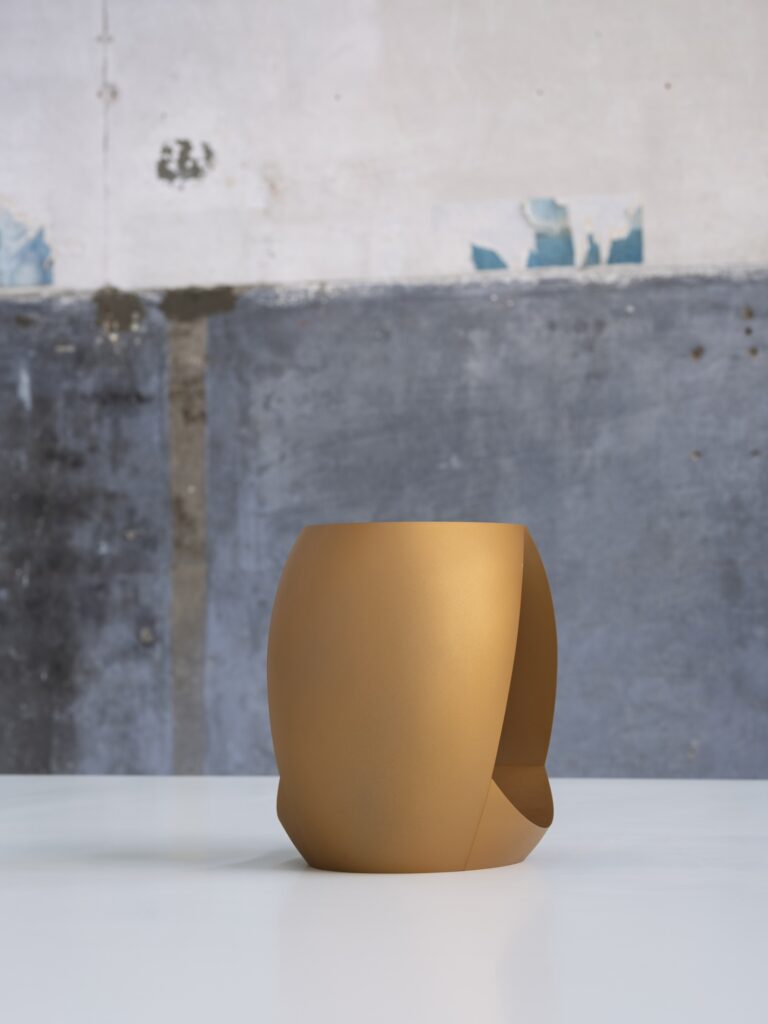
There is a pleasure in simply admiring the textures and surfaces of Bakker’s work. In some cases, there is almost a fetishist approach to the materials. As Bakker explains, “Perhaps Grin is a good example here; this work must be made in one piece – any extra line required to produce it would detract from the object’s appearance.” One version is made with urushi, the Japanese lacquer that they have already used to treat many objects, and another in two-component plaster, which is a new material for the artist. As Bakker explains, “For both versions, we found a method to create them in one piece without making any compromises. The colour of the urushi version is somewhat reminiscent of skin, and the surface of the plaster version is very soft to the touch; both allude somewhat to a head, which was the original title for a while.”
From the beginning, Looiersgracht 60 has wanted to build long-term relationships to the artists and follow their practice overtime creating opportunities to revisit their work as it evolves. With this exhibition, Bakker further blurs the boundaries between art and design, function and abstraction, opening new directions in his practice. As Snijders reveals, “There is something deeply touching about the otherworldly beauty of the forms in Aldo’s work, and experiencing them together in the space was truly special.”

Articles you also might like
Spazio Nobile presents “A Complementary Grammar of Creation,” a duo-show by Kiki van Eijk & Joost van Bleiswijk, curated by Maria Cristina Didero. The exhibition opened on September 4th as part of the RendezVous Brussels Gallery Weekend.
Berber rugs and weaving have gained enormous popularity in the last decades, but who are the people behind the rugs and what are the traditions and stories told within them? Mina Abouzahra curates “The Soul of a Rug,” an exhibition that sheds light into a community of weavers and their incredible talent as well as her own personal journey of discovery and craft.
Between June 6 – August 31, 2025, Spazio Nobile presents “As far as the eye can see” (A perte de vue), a solo exhibition of ceramics and works on paper by Bela Silva.

ceramic brussels opens its 2nd edition on January 23rd in the sheds of Tour & Taxis. The specialised art fair features 65 galleries and a schedule of talks and related events, including the ceramic brussels art prize award and a spotlight on Norwegian ceramics.