


Andrea Branzi by Toyo Ito. Continuous Present
Triennale Milano pays homage to one of Italian design’s most radical minds — Andrea Branzi — through the eyes of his longtime friend and collaborator, Toyo Ito.
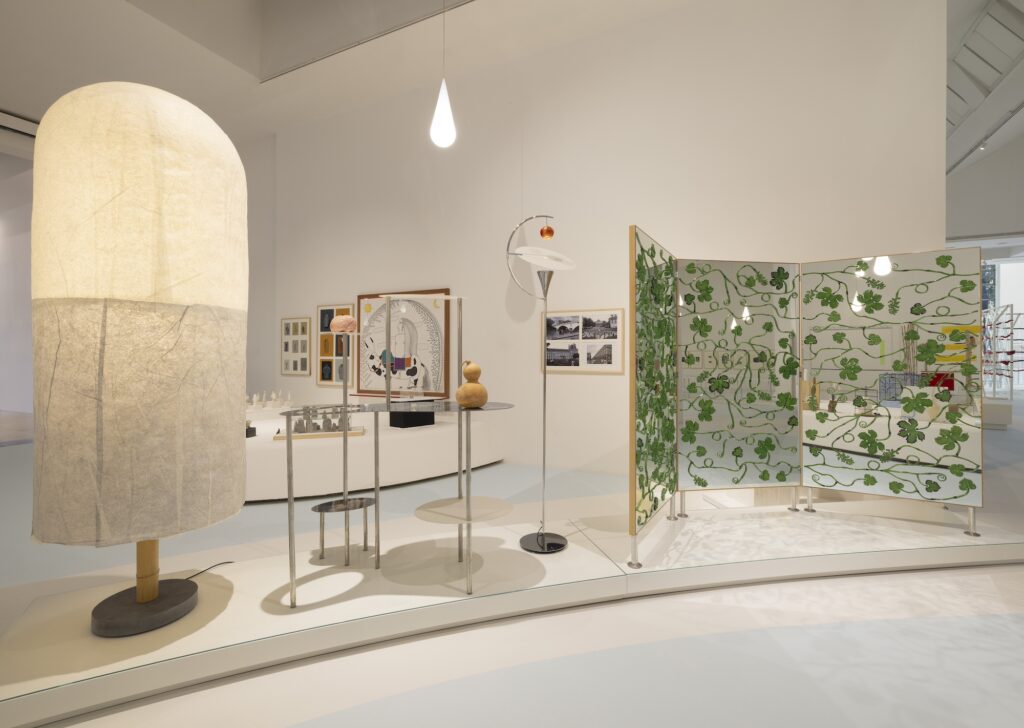
Andrea Branzi by Toyo Ito. Continuous Present opened at Triennale Milano on March 19 and runs until October 4, 2026. The exhibition, which features more than 400 works, was conceived through the eyes of Pritzker Prize–winning Japanese architect Toyo Ito, who was also Branzi’s longtime collaborator and friend. The exhibition was made in collaboration with Lorenza Branzi and Nicoletta Morozzi, and curated by Nina Bassoli, curator for architecture, urban regeneration and cities at Triennale, and Michela Alessandrini, curator at Fondation Cartier.
Structured through thematic clusters that reflect the hybrid, non-linear nature of Branzi’s (1938–2023) thinking, the show is described by Ito as a “continuous present”, a condition in which past and future overlap within an uninterrupted flow of ideas.
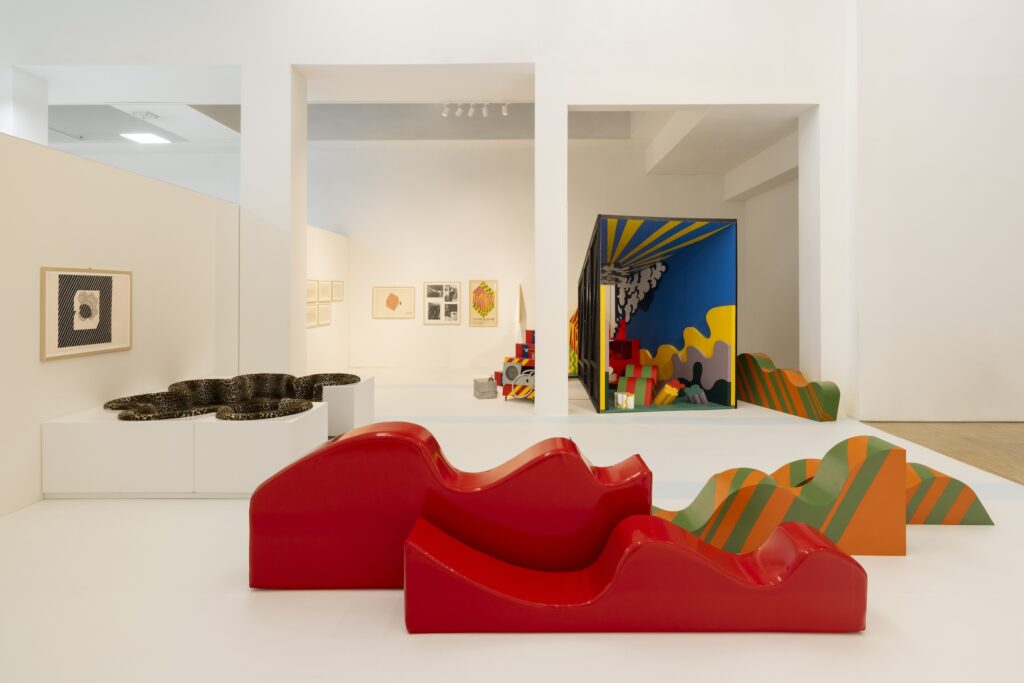
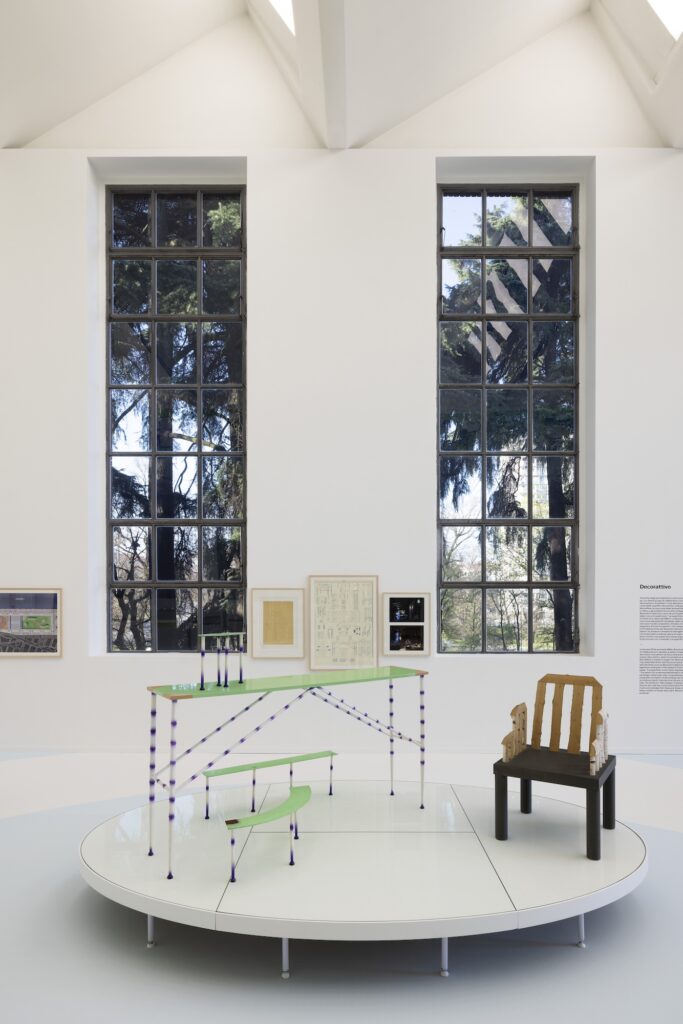
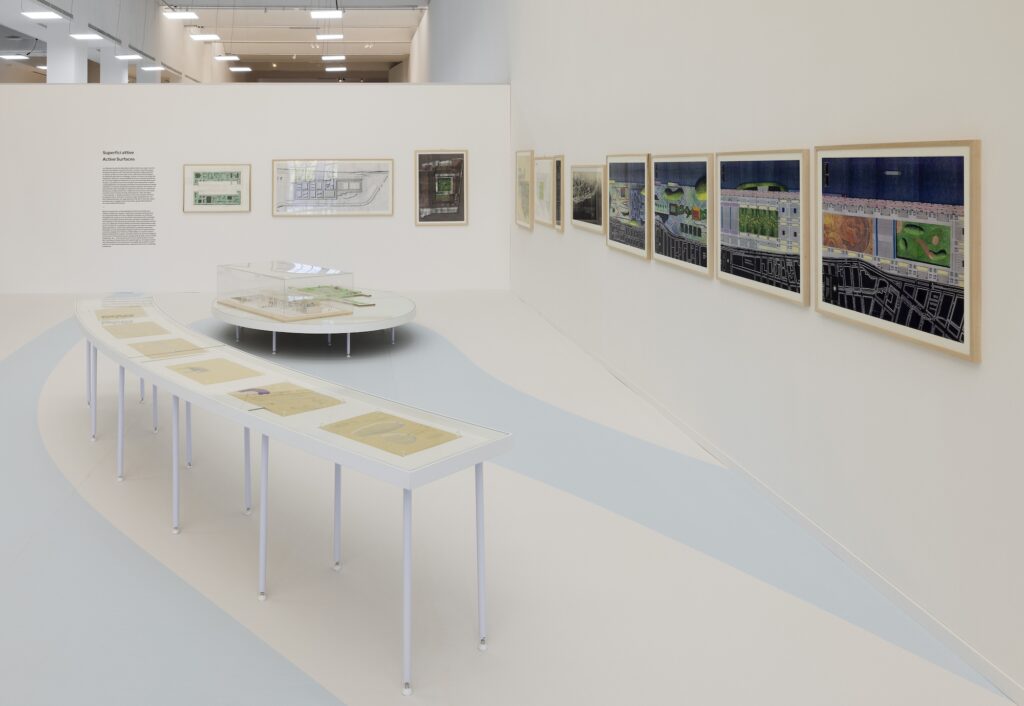
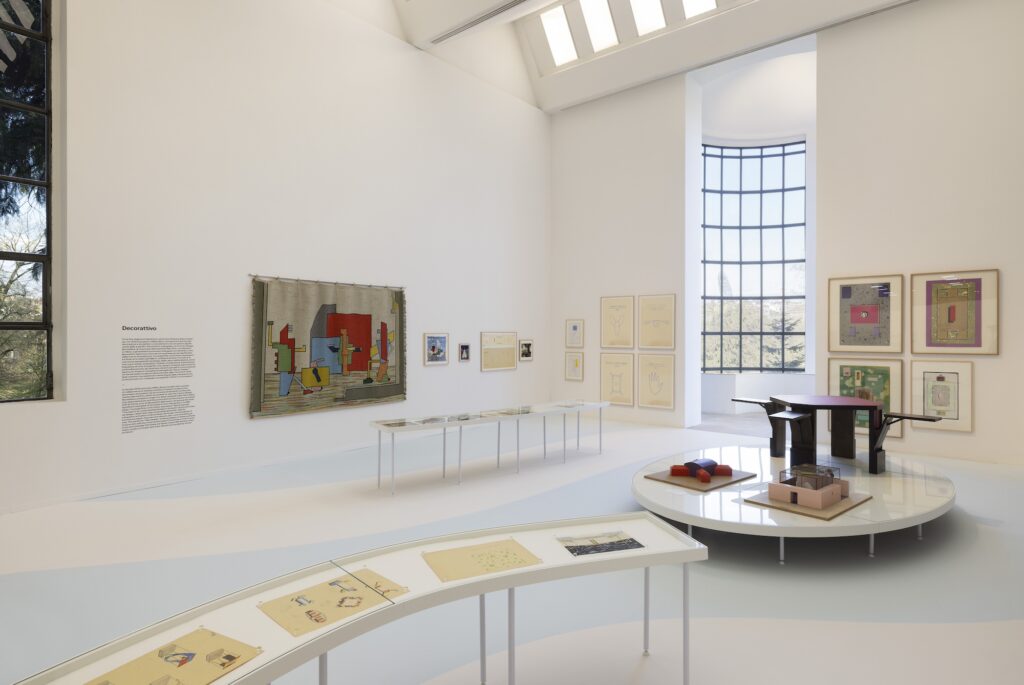
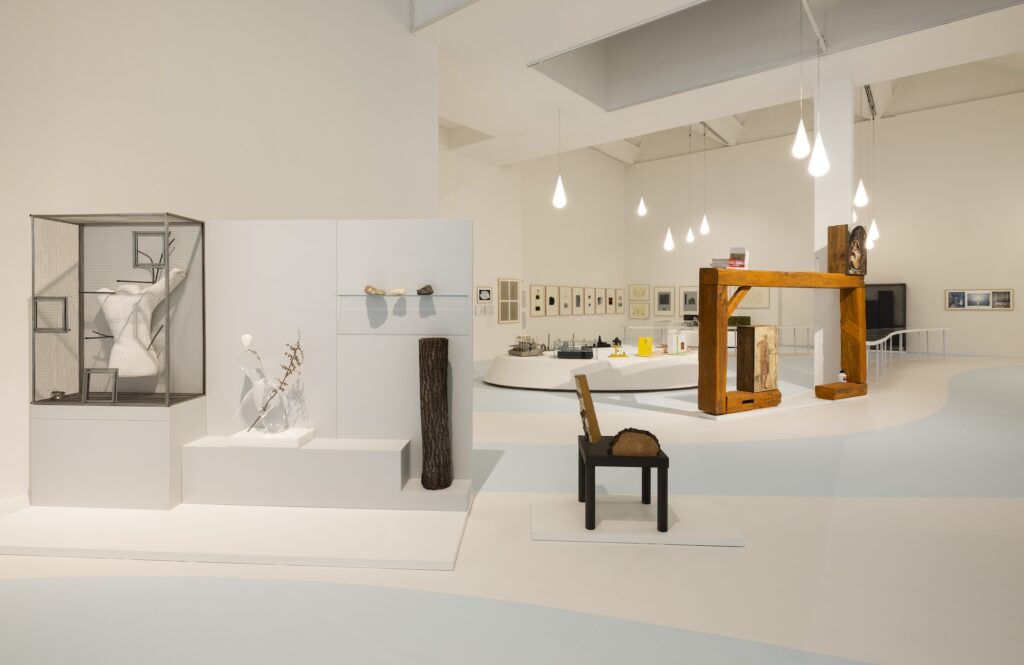
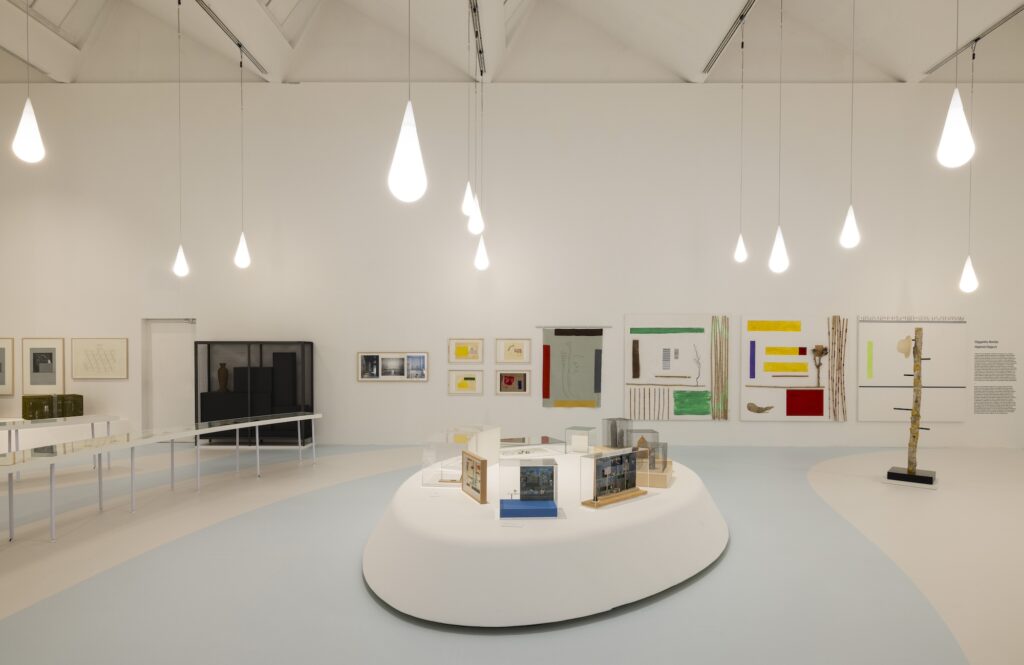
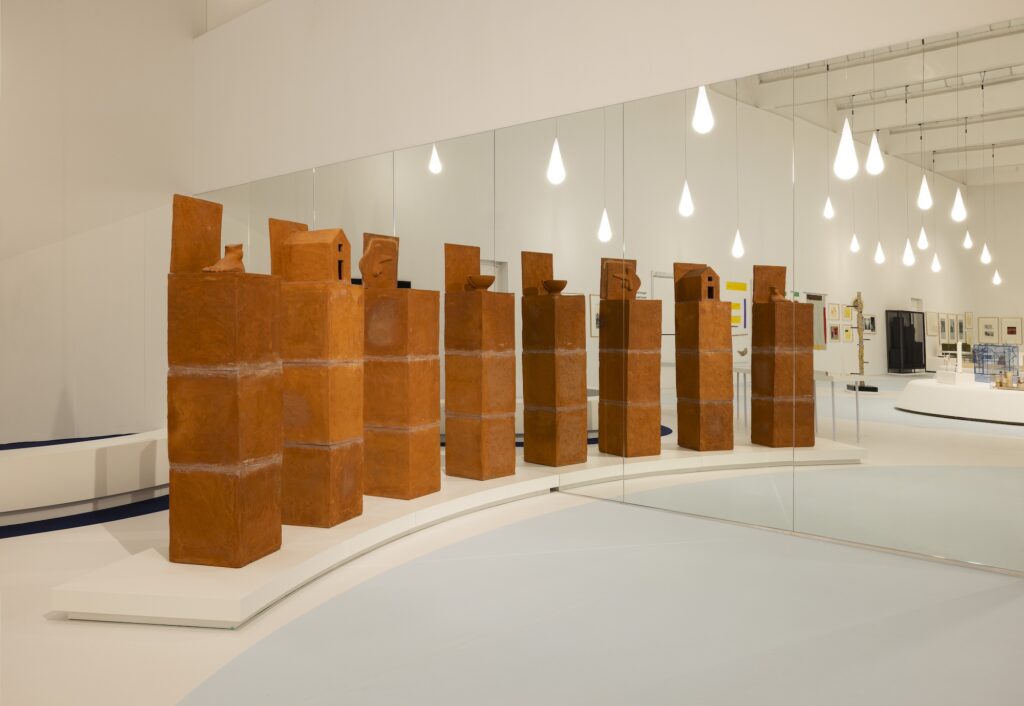
Displayed across 11 sections with more than 400 works, including installations, models, drawings, design objects, archival videos and documents, the exhibition offers a portrait of a practice that connects architecture, design, landscape and theory. It features early radical experimentations in Florence with Archizoom Associati, through his experiences with Alchimia and Memphis, up to the development of an anthropological approach to design. It also links to the connections Branzi had with the Triennale, where between 1968-2022 he worked on numerous projects as a designer, theoretician and curator, and the Fondation Cartier, where he participated in the 2008 exhibitions Open Enclosures.
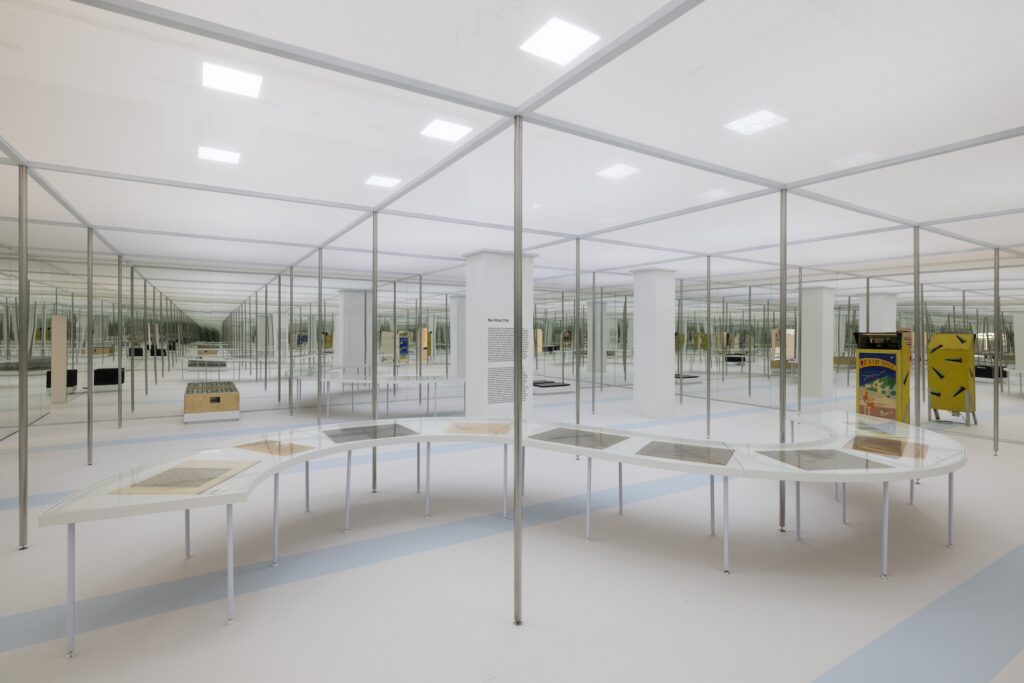
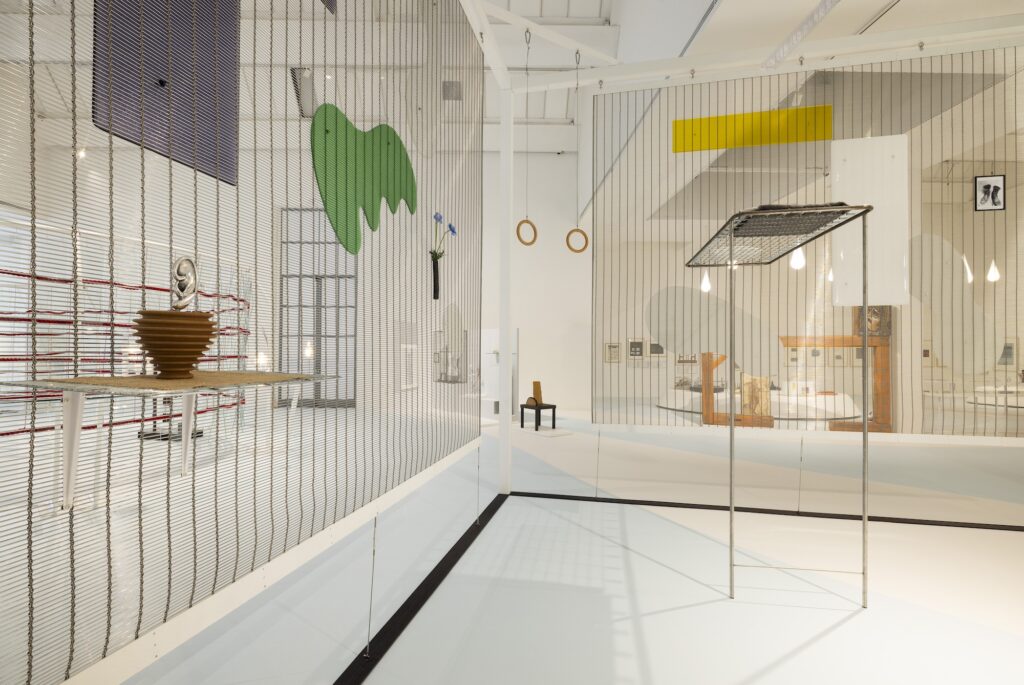
Among the highlights is the monumental site-specific installation dedicated to No-Stop City (1969–72), a theoretical project that imagined a continuous city without a centre, transforming the museum space into an immersive interior — an environment in which the visitor moves inside an urban model that is simultaneously idea and landscape. It remains a radical rebuke to the idea that cities should cohere around symbolic centres or civic monuments.
Two environmental installations originally created for the Fondation Cartier’s 2008 Open Enclosures show, Ellipse and Gazebo, are reactivated with new force. These works embody a vision of architecture as light, permeable and free from rigid functions Standing inside Gazebo in particular, you understand why Branzi’s practice has so often been described in ecological terms: this is design as habitat, porous and alive.
Animali Domestici (Domestic Animals) is a series of furniture pieces that blur the boundary between the functional and the animate. In the Central Plan Houses section, tables, rugs, fireplaces and sofas matter less for their function than as symbolic cores of dwelling — “founders of the home,” in the catalogue’s words.
The exhibition is not about nostalgia or conceived from a specifically historical perspective, rather the curators leave it open for viewers to be fuelled by his imaginative universe. Halfway through the exhibition, there is a space dedicated to publications and unreleased video interviews by Hans Ulrich Obrist, a way to further educate on design, architecture and living, a core value in Branzi’s practice.
A co-published book by Electa, with over 50 contributions from international designers and artists, accompanies the show. A lecture by Toyo Ito takes place on April 20 at Triennale, timed for Milan Design Week.
Andrea Branzi by Toyo Ito. Continuous Present is on view at Triennale Milano until October 4, 2026.

Articles you also might like
The city of Como is transformed into a design destination for the 8th edition of Lake Como Design Festival, which takes place between September 12-20, 2026.
Casa Museo Molinario Colombari is a home like no other. Located in a radically renovated factory in the Isola district of Milan, Rosella Colombari and Ettore Molinario have created a dynamic, living dialogue between architecture, design, photography and sculpture.
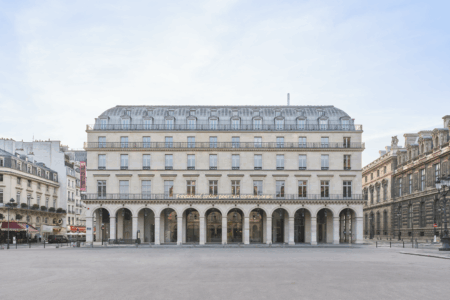
On October 25, 2025, after three decades on Boulevard Raspail in Jean Nouvel’s iconic glass-and-steel pavilion, the Fondation Cartier pour l’art contemporain opened its doors at 2 Place du Palais-Royal, directly opposite the Louvre, marking a radical new chapter for this contemporary art centre.
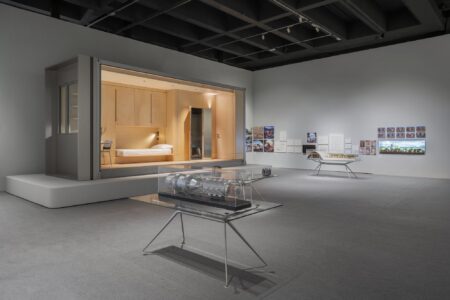
The Triennale Milano marks its 24th International Exhibition with Inequalities. Bringing together architects, artists, scholars, and scientists from around the world, with Inequalities, the Triennale becomes a a space of deep reflection on one of the most urgent issues of our time.