

Arcana Borealis – Northern Women and Esotericism
The Ateneum Art Museum – Finnish National Gallery presents a revelatory exhibition – Arcana Borealis -Northern Women and Esotericism. From the Latin arcana (“hidden knowledge”) and borealis (“the north”), the exhibition offers a major new perspective on modern and contemporary art through women’s practices shaped by spirituality, ecology and unseen worlds.
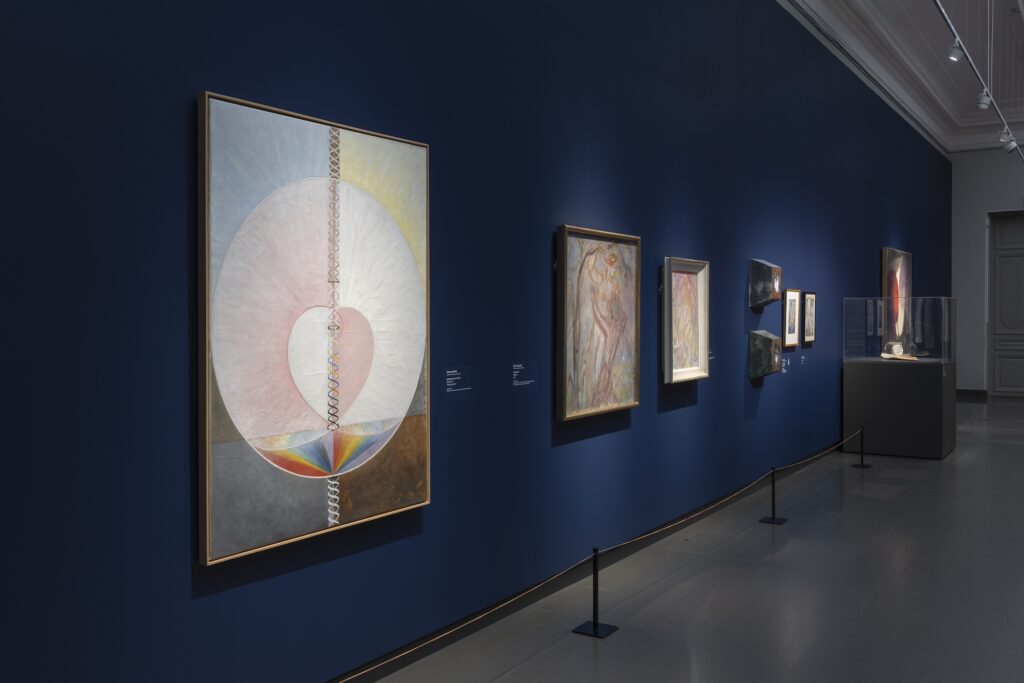
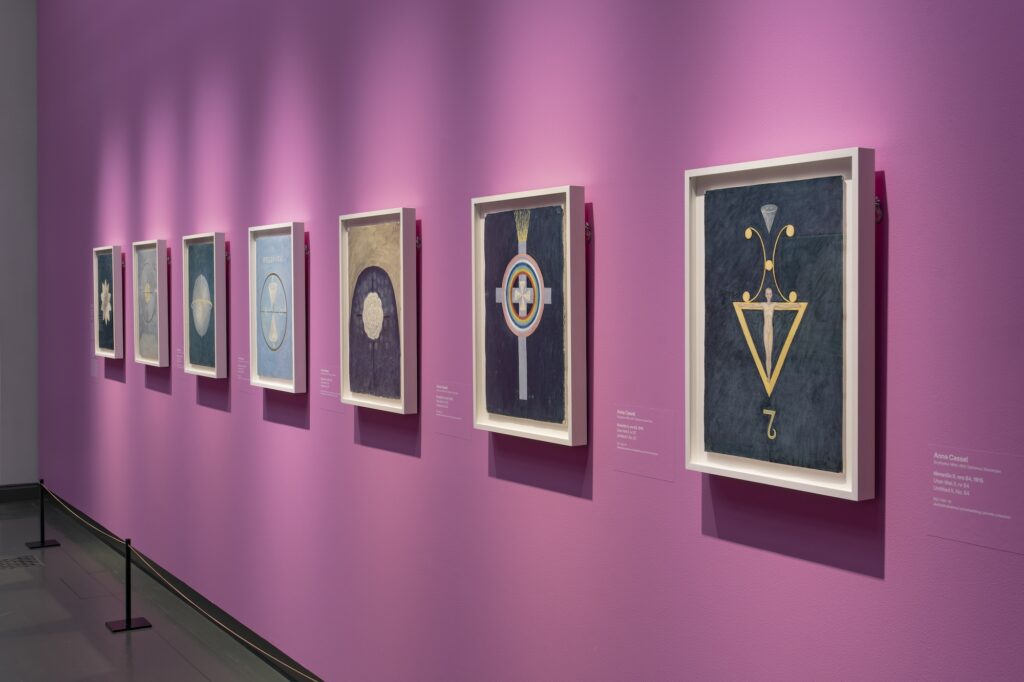
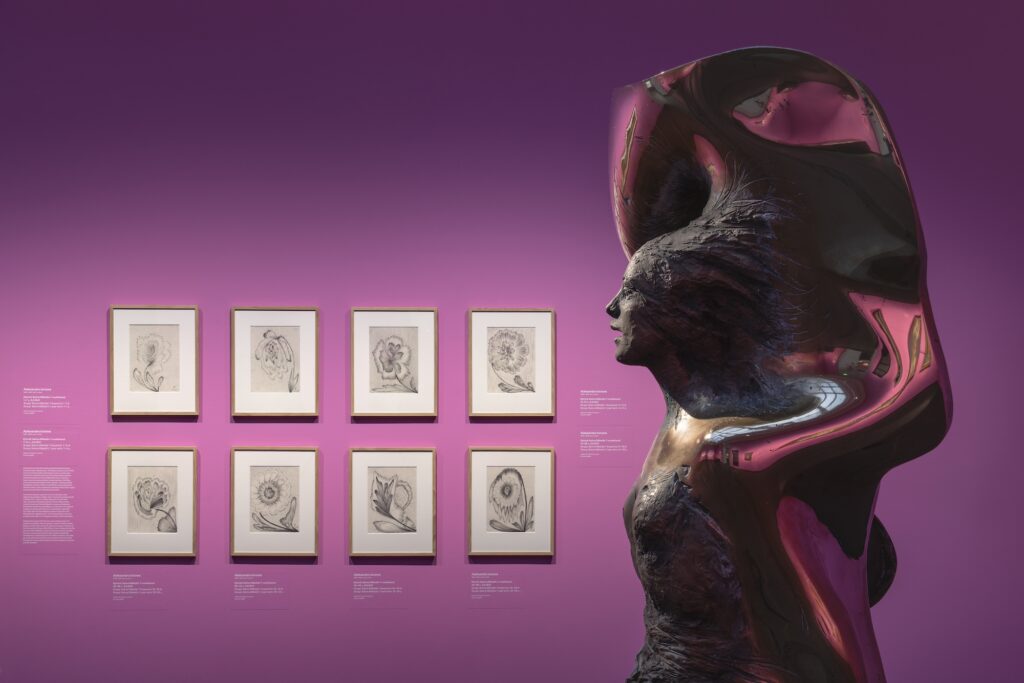
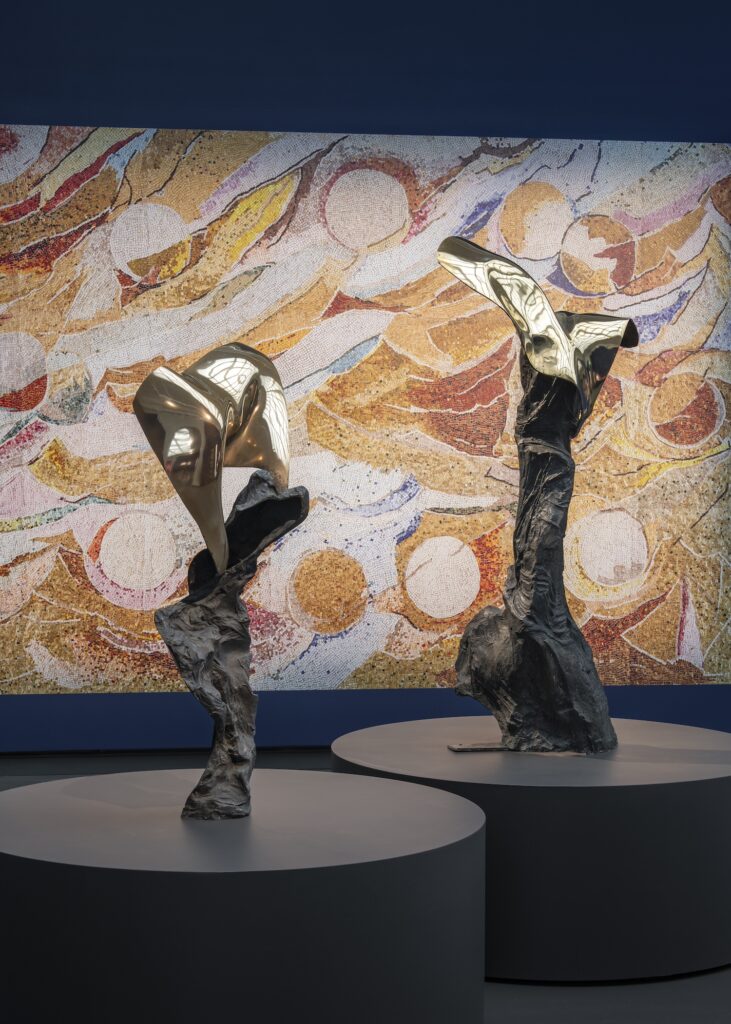
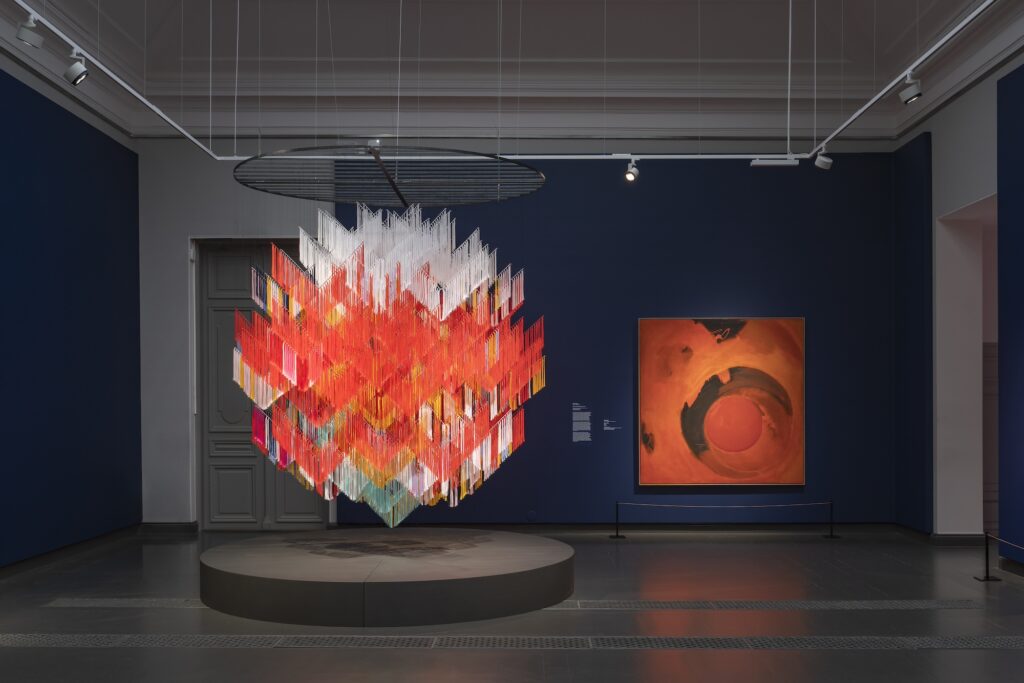
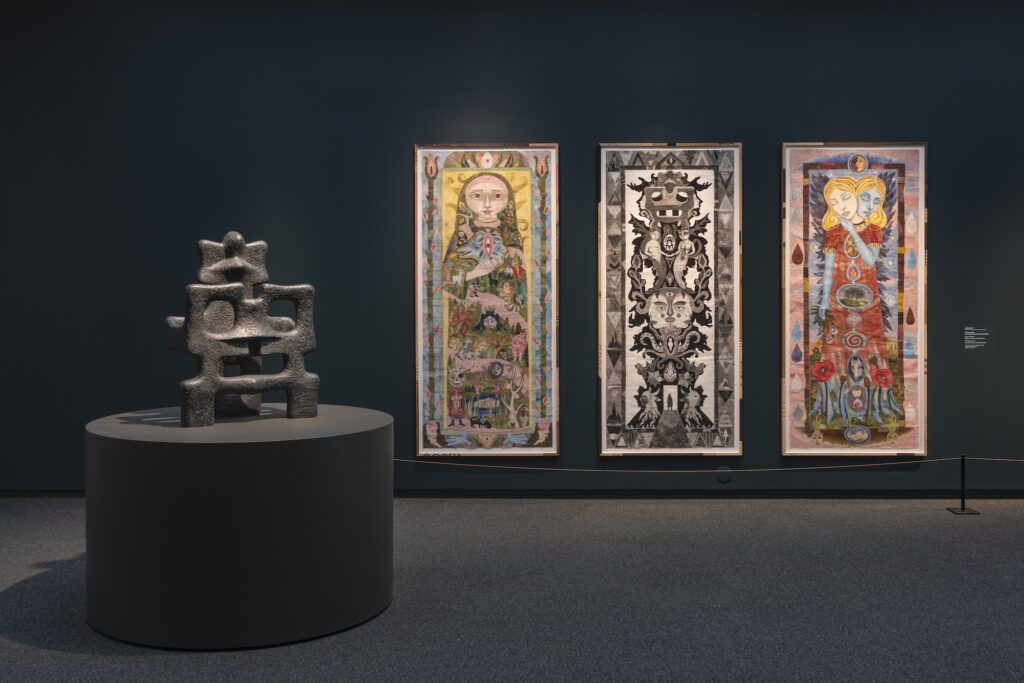
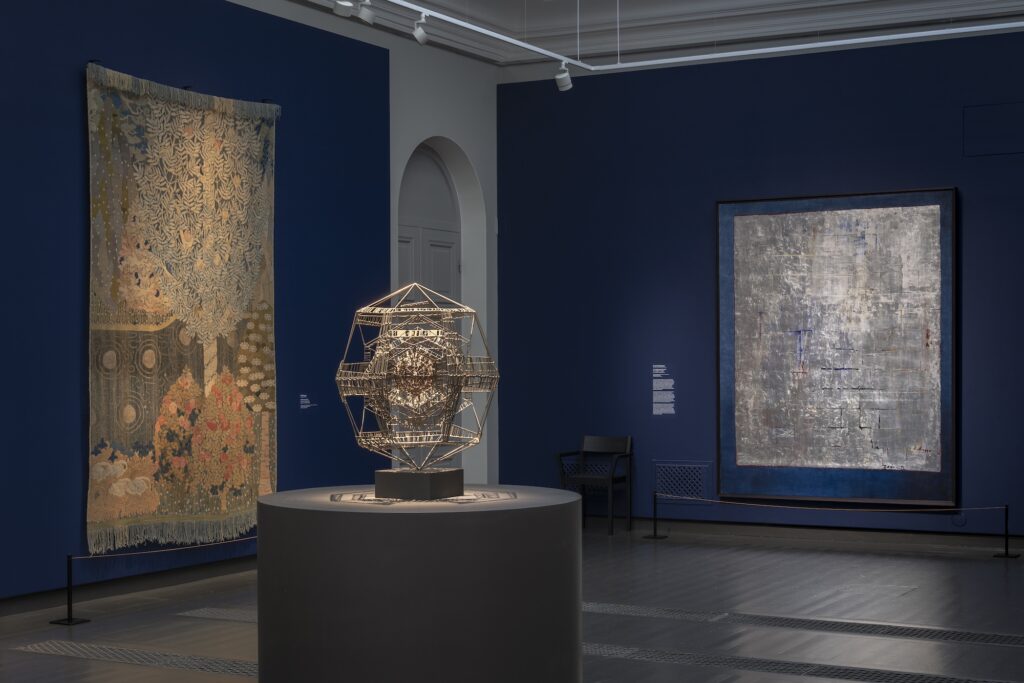
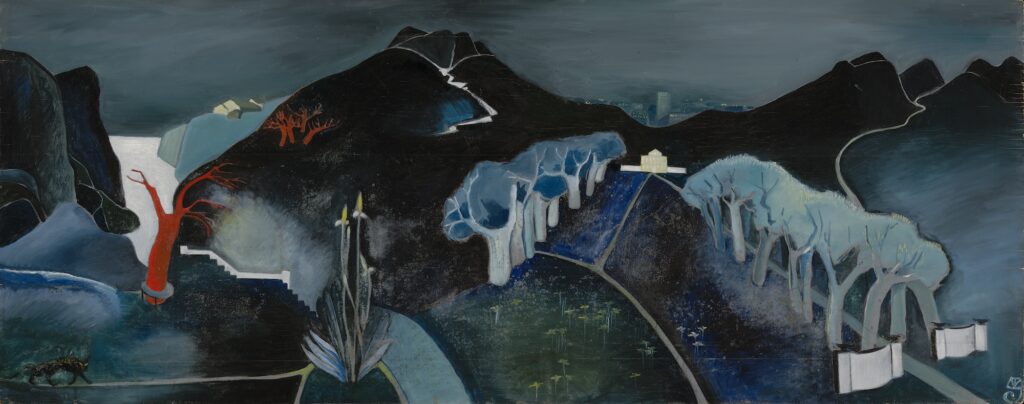
TLmag spoke with Dr. Marja Lahelma & Dr. Nina Kokkinen, co-curators of Arcana Borealis – Northern Women and Esotericism, a landmark exhibition at the Ateneum Art Museum – Finnish National Gallery. Arcana Borealis – Northern Women and Esotericism reconsiders modern art through the hidden influence of esotericism, spirituality and women’s artistic networks. It examines how women artists from across the Nordic region and Sámpi have engaged with esotericism and alternative systems of knowledge from the late 19th century through to present day, bringing together over 200 works by 50 artists, in a range of mediums from painting and sculpture to textiles, stained glass and mosaic. Arcana Borealis – Northern Women and Esotericism is on view through February 28, 2027.
TLmag: Talk about the origins of this exhibition. How did you start collaborating together? Have you worked together before?
Dr. Marja Lahelma & Dr. Nina Kokkinen: Nina proposed an exhibition focusing on women artists and esotericism to the Finnish National Gallery after inviting members of the museum staff to view a recently rediscovered body of work by Meri Genetz. The proposal was timely, as the museum had already been planning a project exploring the work of northern women artists. The research project that preceded the Arcana Borealis exhibition was launched the following year, in 2022. Marja’s subsequent appointment as Chief Curator at the Ateneum Art Museum was a fortunate development, as we had previously worked together as researchers. It was therefore natural for them to join forces as co-curators of the exhibition. Working together has been both professionally rewarding and enjoyable.
TLmag: The exhibition argues that esotericism was not a peripheral phenomenon but a significant force in modernism. Do you think its influence is finally being accepted in a bigger way in art history?
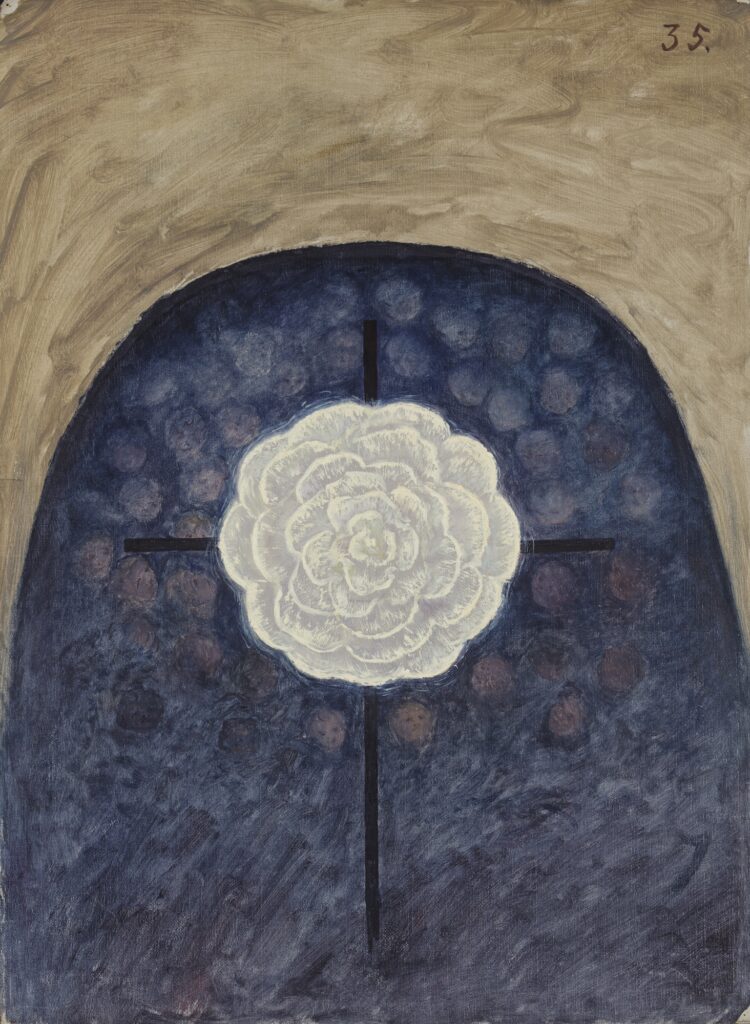
M.L. & N.K.: The huge popularity of exhibitions devoted to Hilma af Klint has made esotericism a widely recognised topic in both the museum world and art-historical scholarship. Since the mid-twentieth century, art historians have gradually accumulated evidence demonstrating that esotericism was not a marginal phenomenon but an important aspect of modern artistic culture. Although this perspective is now gaining wider acceptance, sceptical voices remain. Some still regard the topic as a passing trend or as a niche concern on the fringes of art history. In addition, the dominant narrative remains selective. Discussions of esotericism in art have often focused on the rise of abstraction and a handful of canonical figures, while overlooking many other artists, practices, and forms of engagement with esotericism. As a result, the full diversity of the relationship between art and esotericism has yet to be fully acknowledged.
TLmag: Along that same thread, some of the artists are well known today, but many have been long overlooked. How was the research process for this? Was it hard to find documentation for some of the artists or did your research lead you to unexpected places or encounters to find out more information?
M.L. & N.K.: Tracing artists’ connections to esotericism is often challenging, and this project was no exception. Bringing together women artists, the North, and esotericism meant working across several areas that have long remained at the margins of art-historical research. Identifying the artists for the exhibition required extensive investigation, but the process also uncovered unexpected networks and connections. Following one lead frequently opened the door to several other artists engaged with related spiritual and esoteric ideas.
TLmag: Esotericism and spirituality have been connected to women artists in many parts of the world over the years. How do you think the influences are different in the Nordic region and Sápmi? What are some things that distinguish it?
M.L. & N.K.: The North carries many stereotypical associations with myths, witchcraft and magic. Rather than reinforcing these ideas, we wanted to examine them critically, including how artists have both drawn on and resisted them. Our aim is not to construct a new, unified narrative of ‘Northern spirituality’, but to explore how established narratives of modern art begin to unravel when viewed through previously marginalised perspectives.
TLmag: Are many artworks already a part of the museum’s collection? How was the process of sourcing the work?
M.L. & N.K.: Around a quarter of the works come from the Ateneum Art Museum’s own collection, and roughly the same proportion are loans from private collections. The remaining works come from other museums and institutions. Finding the works was one of the most demanding parts of putting the exhibition together. First, we had to identify artists whose work resonated with the exhibition’s themes, and then locate the works themselves. That involved a great deal of preliminary research, travel, and extensive work in museum collections and storage facilities, as well as numerous conversations and the pursuit of promising leads. It was very much a process of discovery: what we found along the way helped shape the exhibition
TLmag: Was there a discovery for you while preparing this show? An artist you were not aware of a work that surprised you?
M.L. & N.K.: In many ways, the exhibition is full of discoveries, which makes it difficult to single out any one artist or work. Many of the artists featured were largely unknown not only to us at the outset of the project, but also to established art-historical narratives, despite clearly deserving greater recognition. One particularly inspiring discovery was the work of the Icelandic artist Gerður Helgadóttir, whose artistic practice proved remarkably rich and multifaceted. At the same time, the inclusion of Sámi art opened up entirely new perspectives on how sacred traditions and hidden knowledge are transmitted through mediums, materials, and artistic practices. These encounters broadened our understanding of the many ways in which esotericism and spirituality can be embedded in artistic expression.

Articles you also might like

Finnish textile artist Kustaa Saksi presents a decade of his hypnotic, intricate and beautiful jacquard weavings, along with two new special commissions, at the Design Museum, Helsinki through October 15, 2023.

Kunsthalle Seinäjoki presents Calix by Päivi Rintaniemi. In this solo exhibition, the Finnish artist shows a selection of her monolithic, hand-built ceramic sculptures and delicate supporting works.
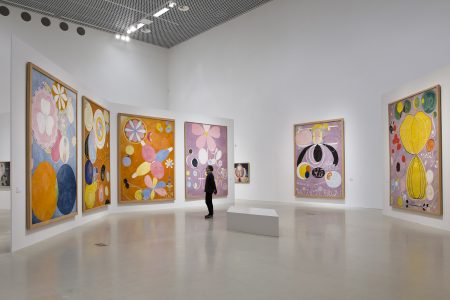
Before Kandinsky, Malevich and Mondrian, there was Hilma af Klint. After a breakout exhibition of her work in their Stockholm museum back in 2013, Malmö’s Moderna Musseet revisits the Swedish artist’s oeuvre to present new insights into af Klimt’s systematic research.

From August 31 to September 2, CHART Art Fair will merge the worlds of design, art and architecture with exhibitions and events throughout Copenhagen