


The Defeated: The Aesthetics of Resistance 2026
These are the final weeks to see The Defeated: The Aesthetics of Resistance 2026 at Bonniers Konsthall. With a fall fraught with global elections and shifting political landscapes, the timing for this exhibition could not be more urgent. The exhibition closes on November 8th.
What does an “aesthetics of resistance” mean in an age of resurgent far-right politics? Bonniers Konsthall poses the question with The Defeated: The Aesthetics of Resistance 2026, a major international group exhibition and the centrepiece of the institution’s 20th-anniversary programme. The exhibition opened weeks before Sweden’s general election on 13 September, a timing that sharpened its call to consider the role of art and culture in a fragile democratic landscape.
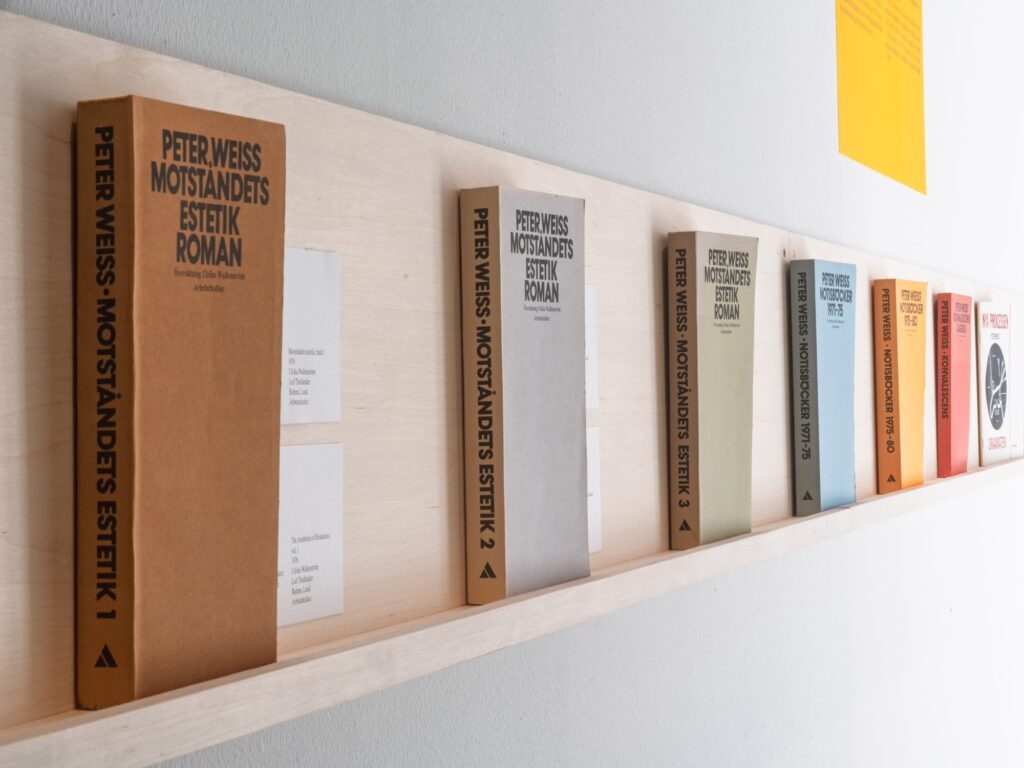
The show is rooted in the life and work of Peter Weiss (1916–1982), the German-born, Stockholm-based writer, painter and filmmaker. Its title draws on his 1948 prose work The Defeated and his monumental three-volume novel The Aesthetics of Resistance (1975–1981), which follows a group of young, working-class antifascists in 1930s Europe who turn art and literature into intellectual weapons against Nazi rule. For Weiss, reclaiming culture was never a passive luxury but a radical act of solidarity.
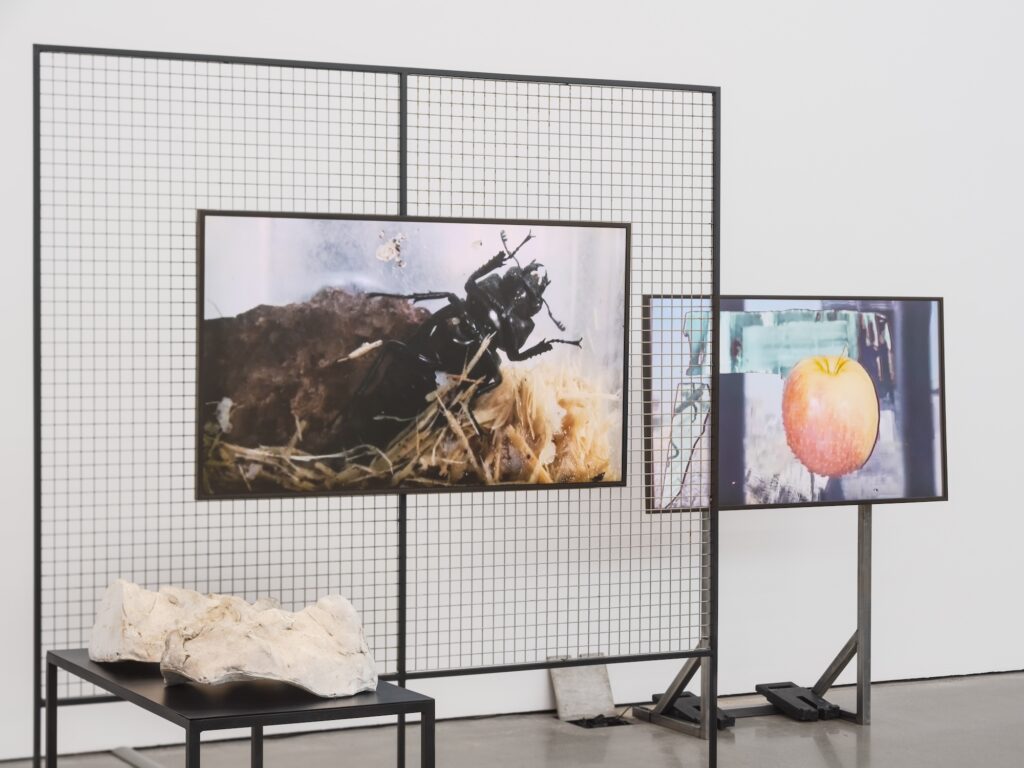
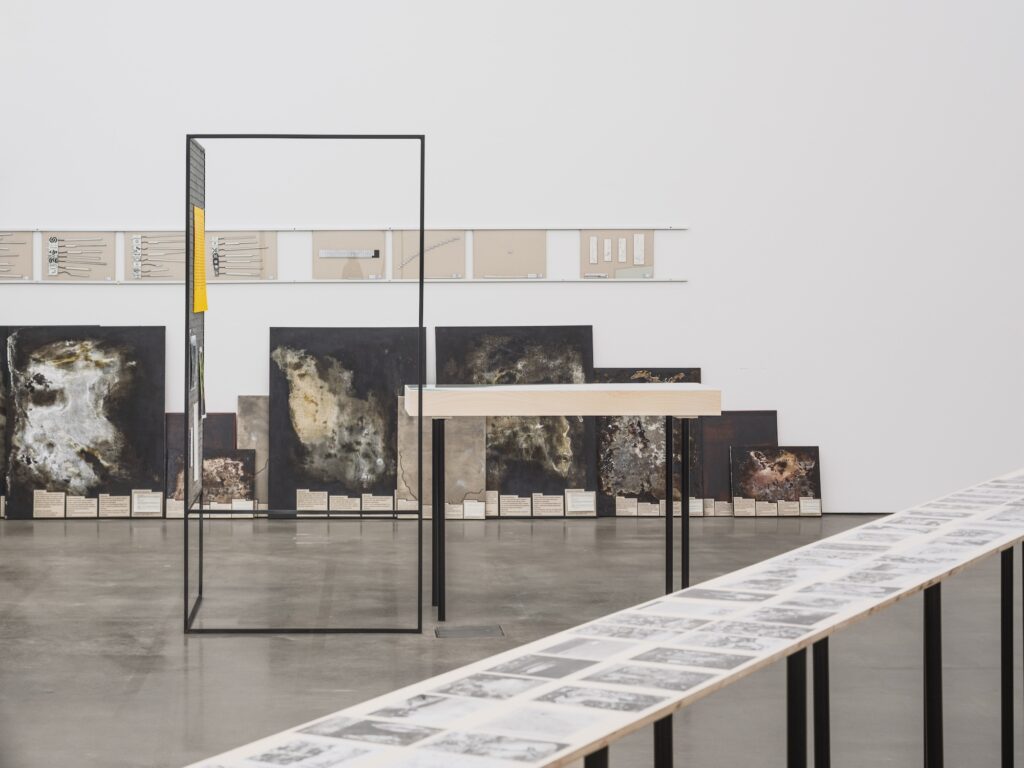
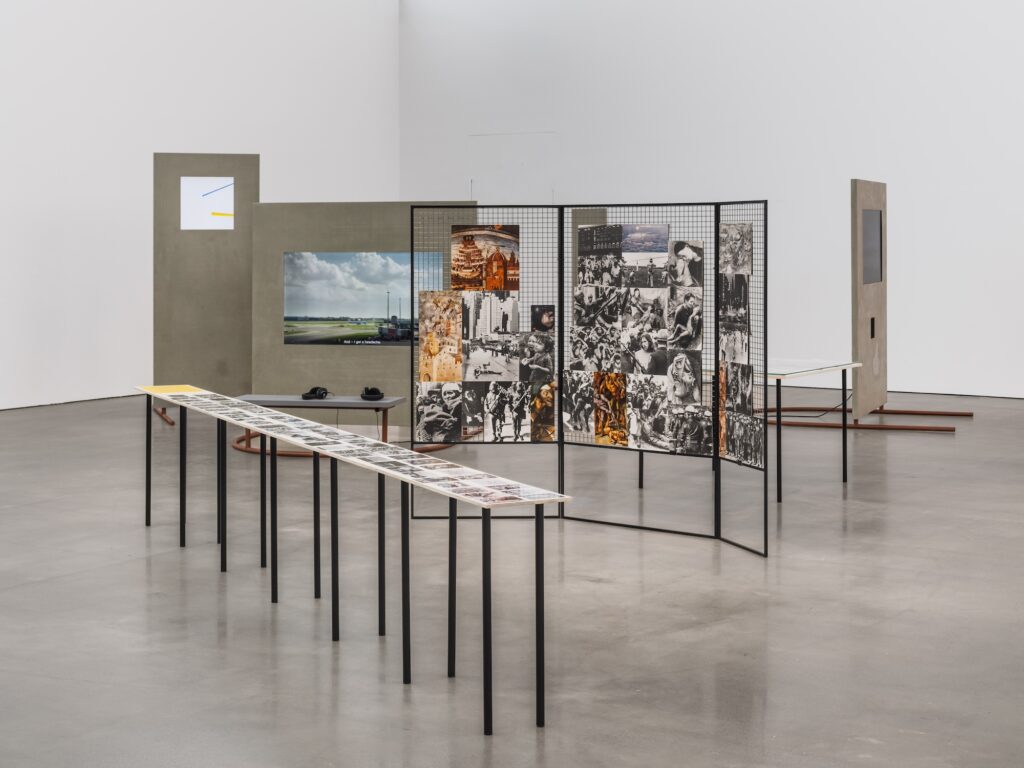
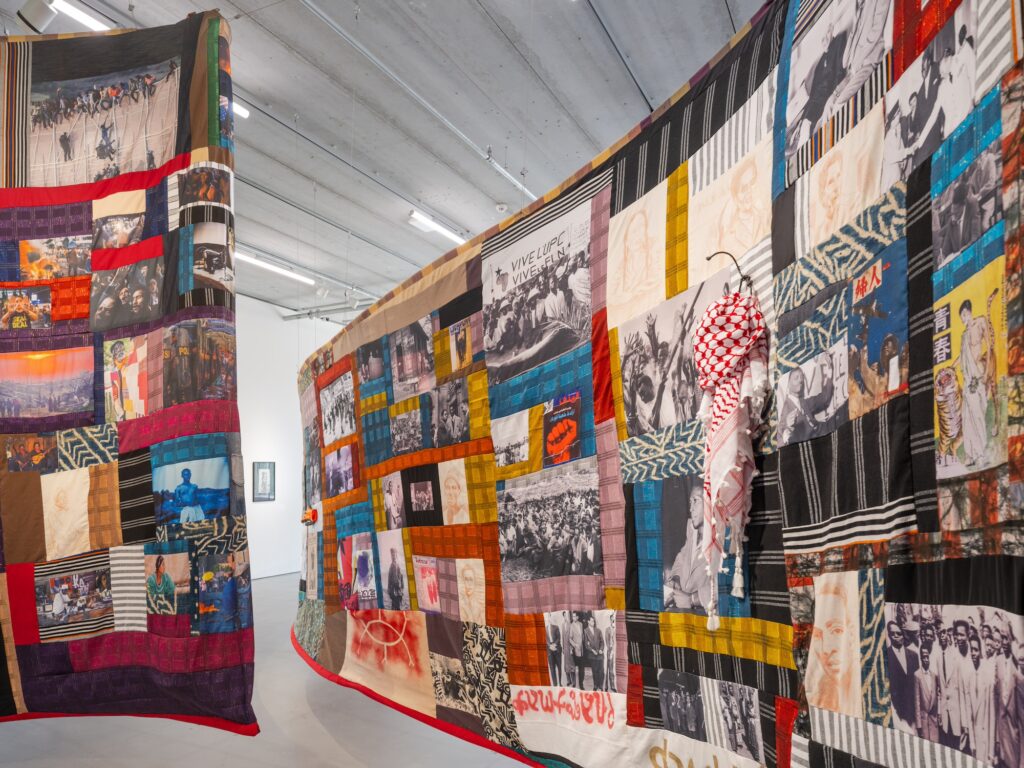
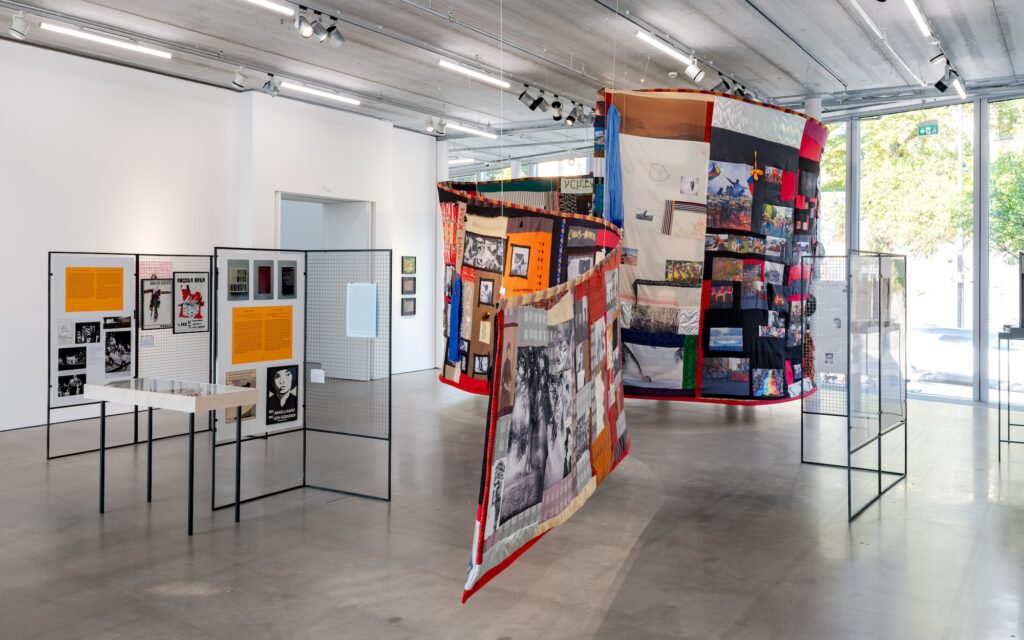
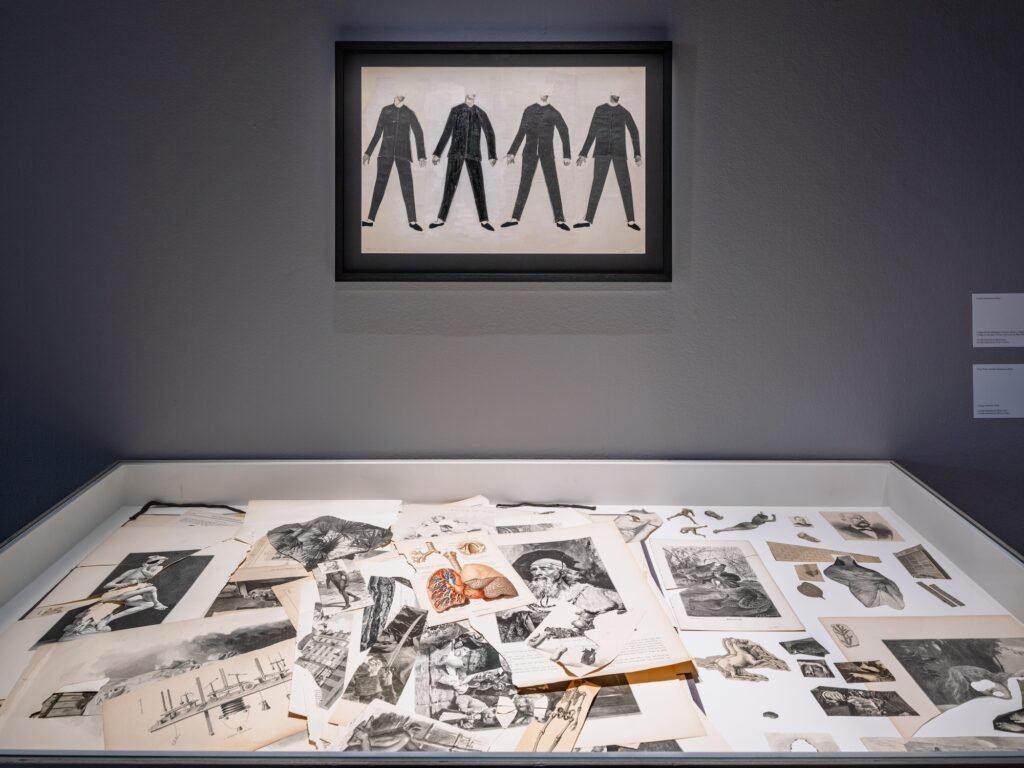
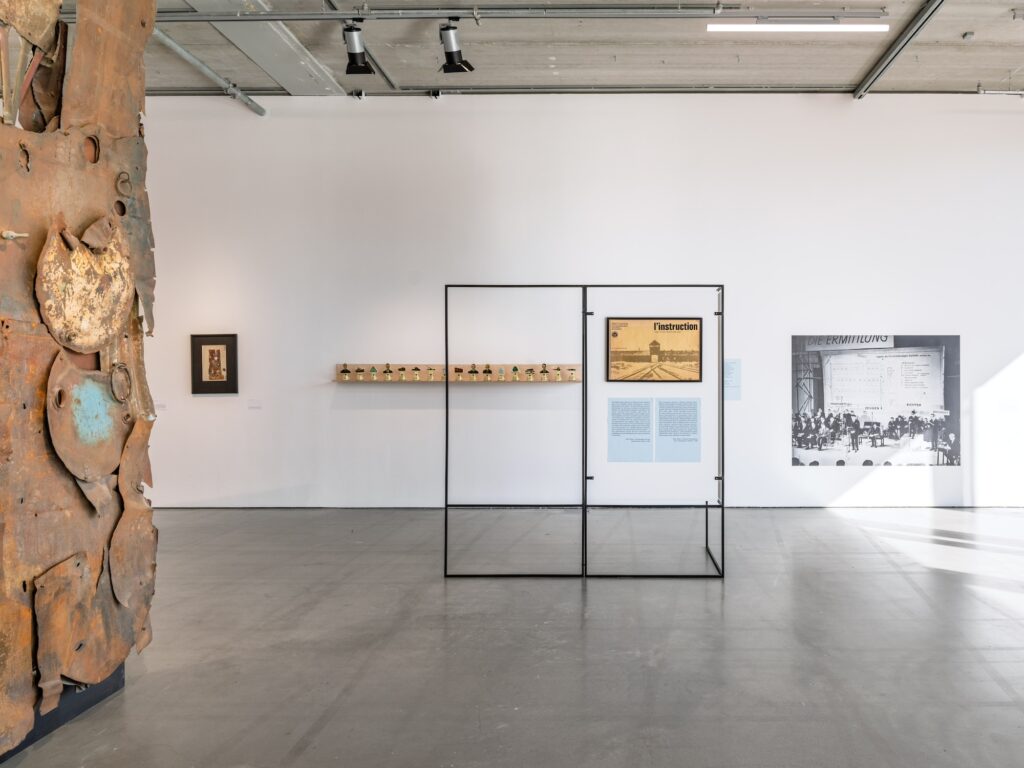
Curated by Kim West, François Piron and Joanna Nordin Asp, the exhibition is conceived as a “waking dream”, echoing Weiss’s own movement from the surrealist dream of sleep to active political engagement. Rather than following a linear chronology, it uses spatial montage to set historical documents and artefacts beside new work by contemporary artists. Transparencies, screens and bleeding audio dissolve the boundaries between works, creating what West calls a “place of associations”. Visitors are invited to find their own routes and unexpected connections.
“We want visitors to navigate the exhibition autonomously, making edits that uncover connections – even those unintended or unforeseen,” says West. “Through the deliberate use of transparencies, screens, and bleeding audio, we dissolve the divide between individual works, fostering a unified environment where every element is in conversation with the next.”
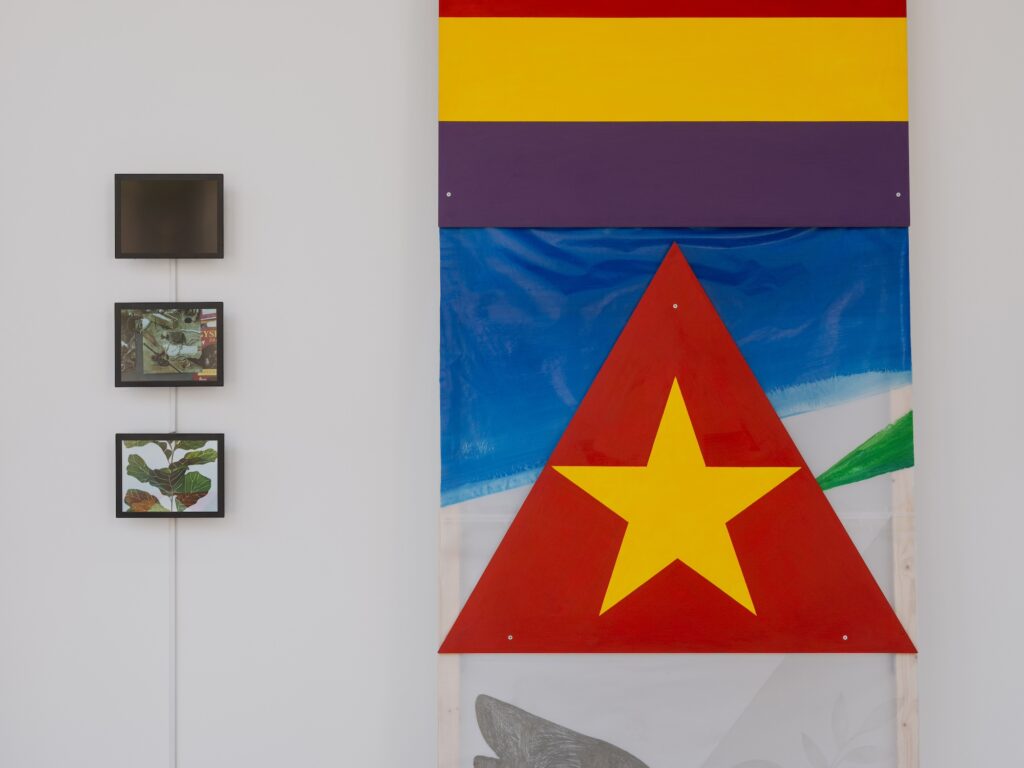
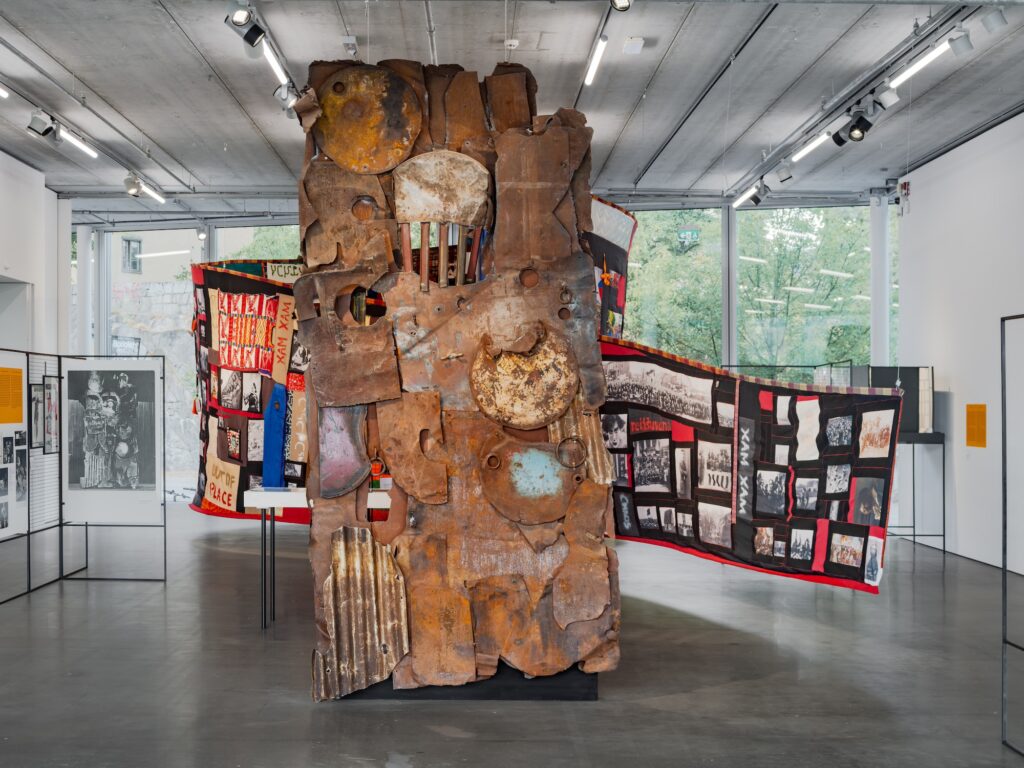
The line-up spans generations and geographies. Weiss and his wife and collaborator Gunilla Palmstierna-Weiss (1928–2022) appear alongside Öyvind Fahlström, Harun Farocki, Jean-Luc Godard, Peter Nestler and Lenke Rothman. Newly commissioned and recent works come from artists including Ali Cherri, Hamedine Kane & Valérie Osouf, Chiara Bugatti, Zbyněk Baladrán, Ane Hjort Guttu, Kateryna Lysovenko, Asier Mendizabal, Daniela Ortiz, Christoffer Paues, Samuel Richter and Lina Selander. Among the highlights are Paues’s Sketches for Six Antifascist Flags, banners that respond to the six parts of Weiss’s novel, and Cherri’s hybrid sculpture The Summoner (Grafting), which questions canonical representations of power. Richter’s film links the excavation of the Pergamon Altar to German colonial violence in Namibia.
The project extends beyond the gallery. It includes a public education course developed with the Institute for Advanced Studies of Political Aesthetics, an international conference organised by REMESO at Linköping University on 29–30 October, with the Thursday sessions hosted at the Konsthall, and a forthcoming book pairing Weiss’s writings with newly commissioned essays by thinkers including Jacques Rancière, Esther Leslie and Alberto Toscano.
For Nordin Asp, the exhibition embodies the founding spirit of Bonniers Konsthall. “Our founder, Jeanette Bonnier, urged us to ‘dare to believe in the not yet formulated,'” she says. “This has been Bonniers Konsthall’s guiding principle for the past 20 years, and this exhibition at this time in history epitomises that call to action more than any other.”
The Defeated: The Aesthetics of Resistance 2026 is on view at Bonniers Konsthall, Stockholm, 26 August – 8 November 2026.

Articles you also might like
RendezVous – Brussels Art Week kicks off the city’s fall art season with nearly 100 participating venues across the city hosting events, exhibitions, and talks all weekend long.
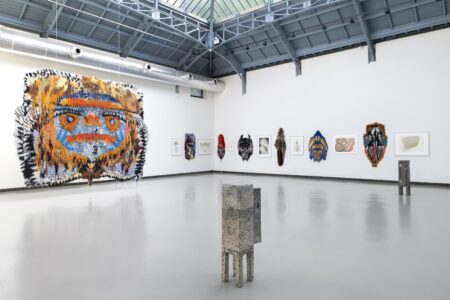
Through 4 July 2026, La Verrière, the Brussels exhibition space of the Fondation d’entreprise Hermès, presents Extrazimmer, a solo exhibition by Caroline Achaintre, curated by Joël Riff.

After decades shaping the visual language of fashion and culture on a global scale, Alexandre de Betak starts a new chapter, working on his own artistic projects.

On April 21st, Simon de Pury hosts a round-table discussion at the Villa Boghossian with Tiqui Atencio, Cathy Vedovi and Diana Campbell Betancourt. Simon will be introduced by Lise Coirier.