

Manu-Facture: The Ceramics of Lucio Fontana
Manu-Facture: The Ceramics of Lucio Fontana, at the Peggy Guggenheim Collection in Venice, is a groundbreaking exhibition that reveals a lesser-known side of the artist. The exhibition presents over seventy experimental ceramic works that fuse art, craft, and design.
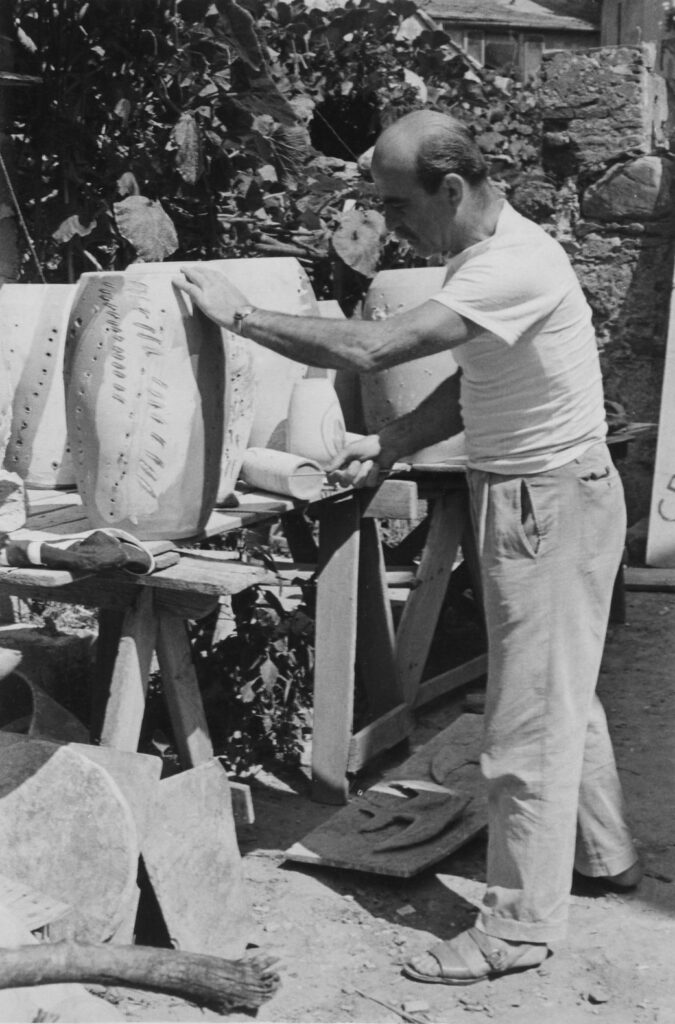
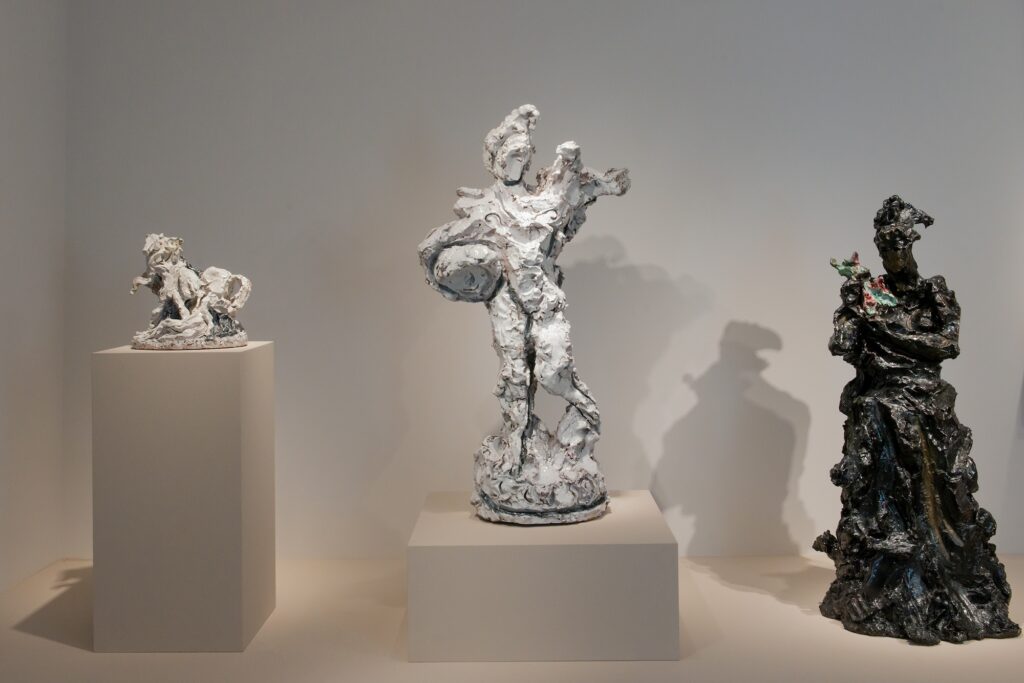
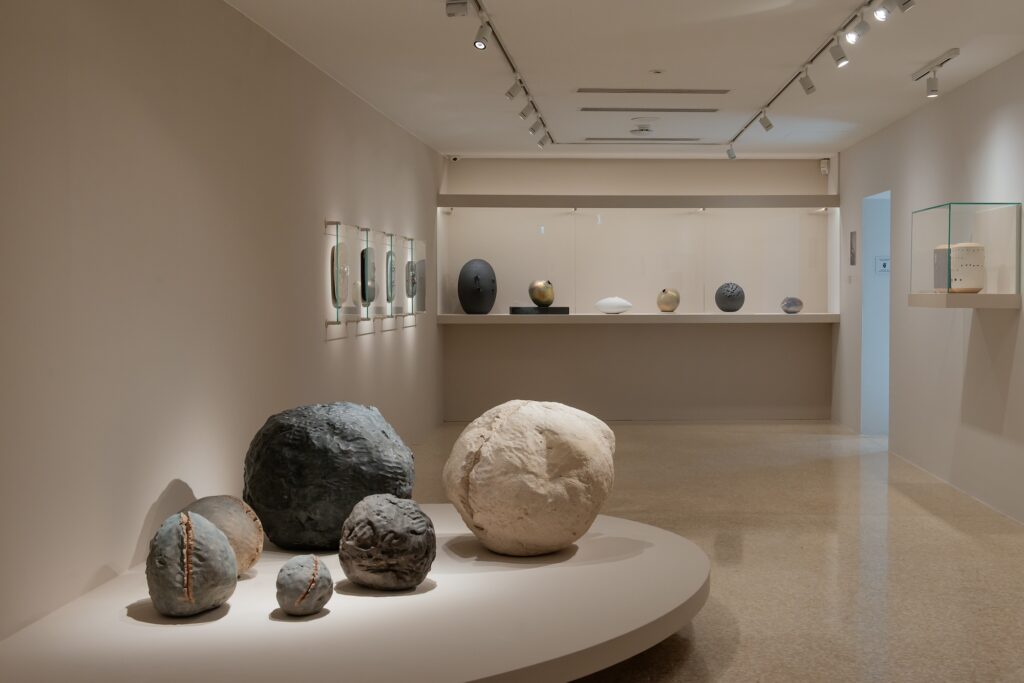
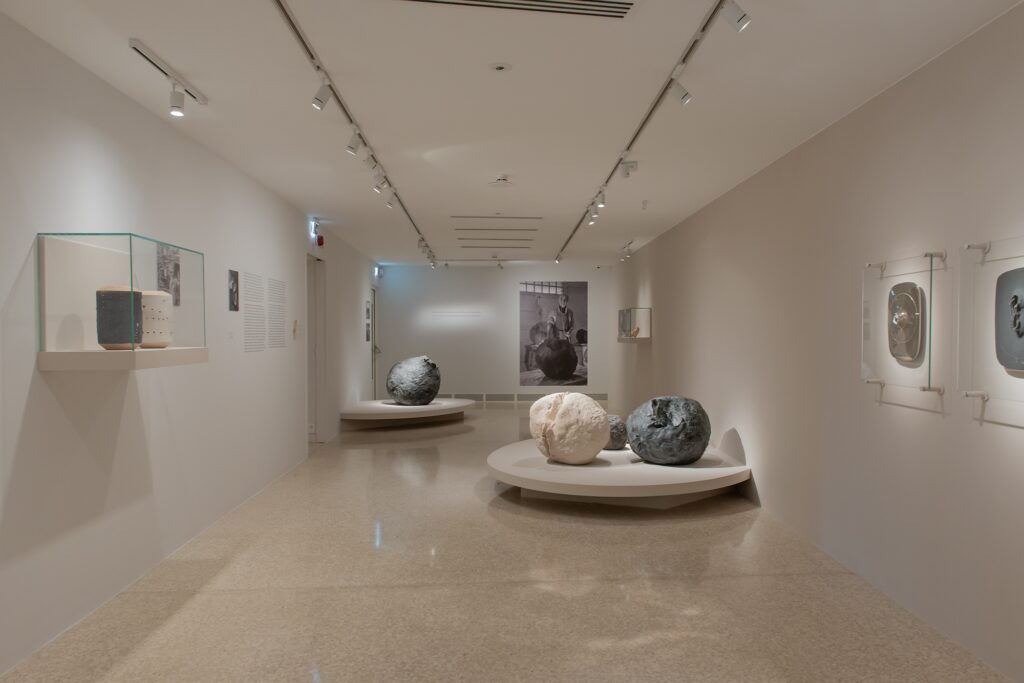
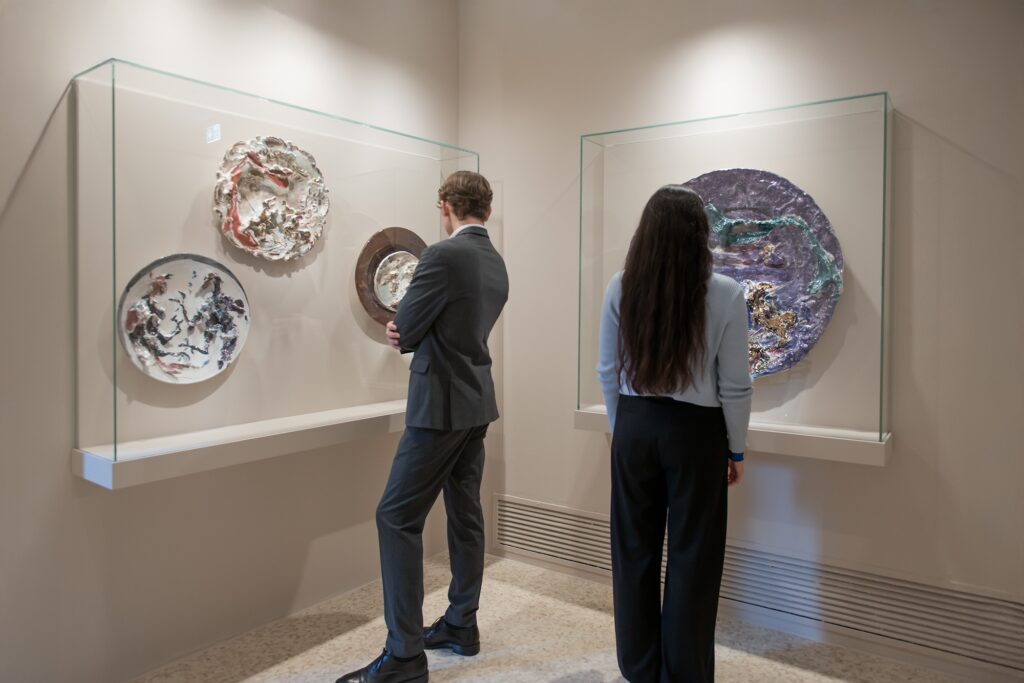
The Peggy Guggenheim Collection’s autumn exhibition, Manu-Facture: The Ceramics of Lucio Fontana, turns its gaze toward the artist’s lesser-known artistic practice, illuminating a body of work that has long lived in the shadow of his slashed canvases. Curated by art historian Sharon Hecker, this is the first major museum show devoted exclusively to Fontana’s ceramics — more than seventy pieces spanning four transformative decades of his career, from his early experiments in 1920s Argentina to his radical postwar abstractions in Milan.
While Lucio Fontana (1899–1968) is synonymous with his revolutionary concetti spaziali (spatial concepts) this exhibition reveals a more tactile and intimate side of the artist. His ceramics — figurative and abstract, glazed and raw — form a narrative of material discovery. The exhibition traces Fontana’s restless shifts between continents and epochs: the earthy terracottas of Fascist Italy, the luminous marine-inspired glazes of Albisola, and the raw conceptual experiments that presaged his later slashed surfaces.
Fontana once said, “Between suicide and travel, I chose the latter because I hope to still make a series of ceramics and sculptures that give me the pleasure or feeling of still being a living man.” In clay, he found both escape and renewal — a material that held the immediacy of touch and the metaphysical depth he would later carve into space itself.
The exhibition’s title, Manu-Facture, reflects Fontana’s dual devotion to hand and form. His collaborations with architects and artisans produced everything from crucifixes and door handles to monumental friezes adorning Milanese facades. A newly commissioned short film by Argentinian director Felipe Sanguinetti—Lucio Fontana Ceramics in Milan—extends this story beyond the gallery, documenting the artist’s enduring imprint across the city’s architecture.
“Long associated with craft rather than fine art,” Hecker observes, “today Fontana’s ceramics are receiving attention due to the resurgence of interest in the medium within contemporary art.” Her curation repositions these works not as decorative diversions but as crucial experiments in material and gesture.
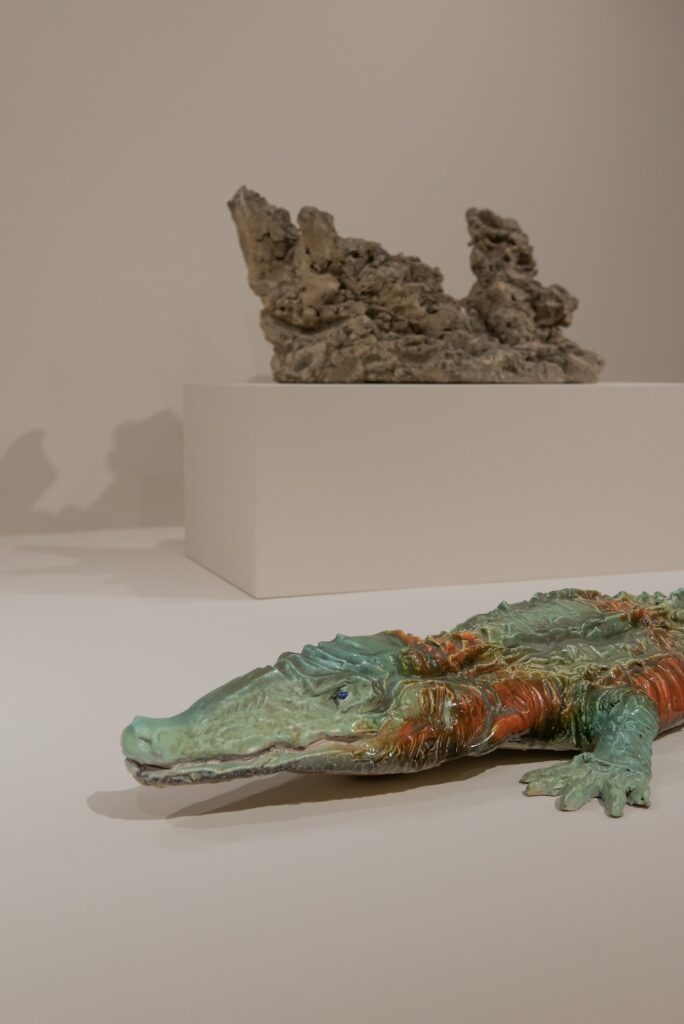
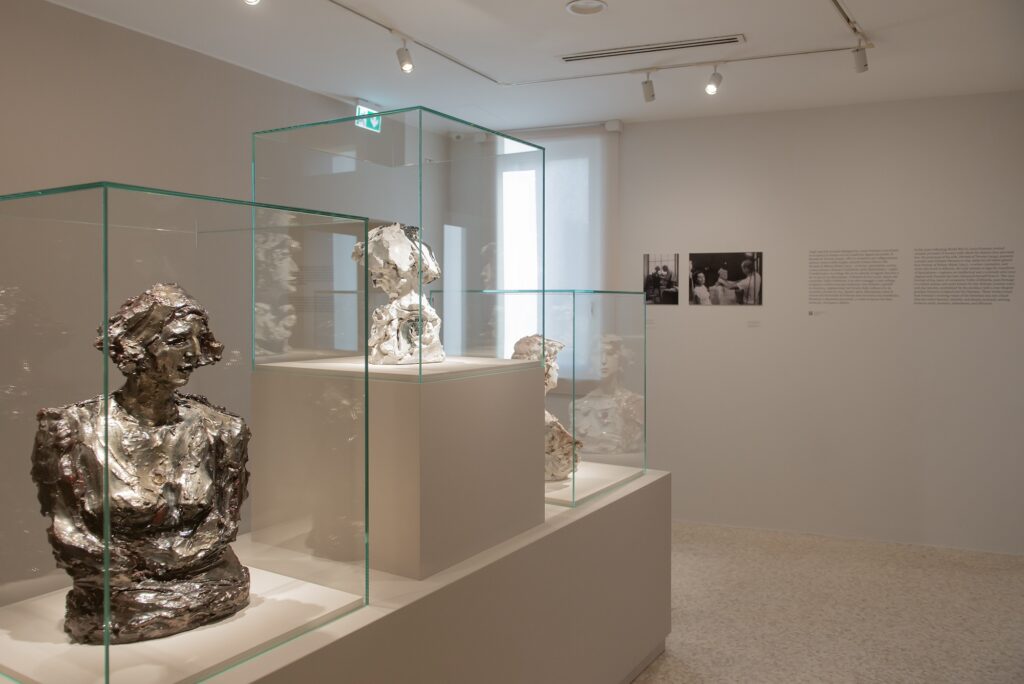
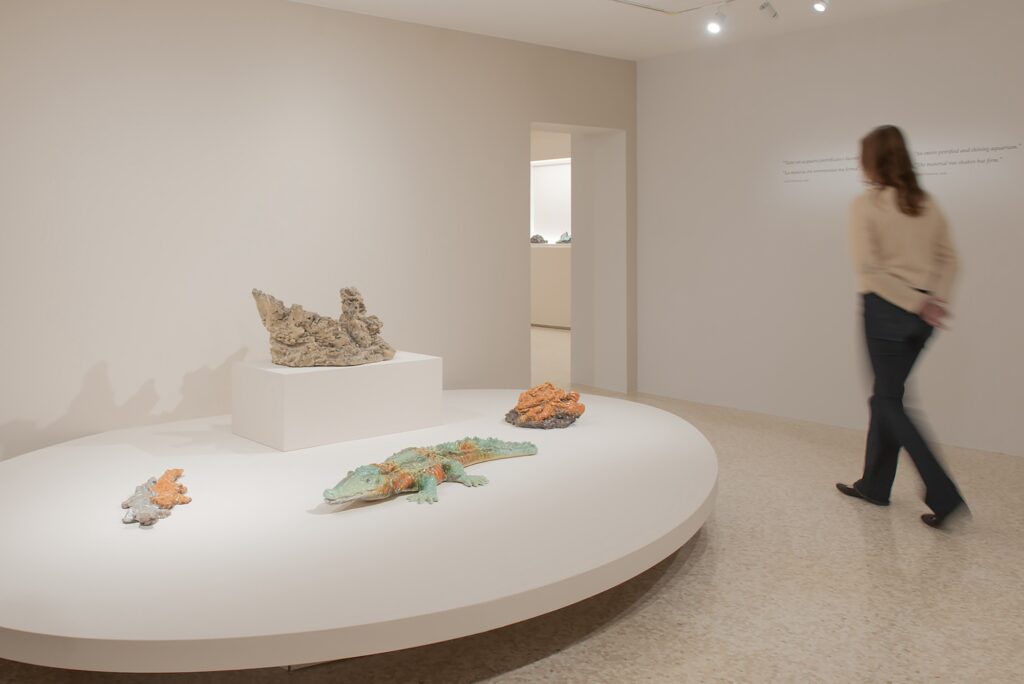
Visitors move through a rhythmic progression: from the Portrait of Teresita (1949) and the iridescent Crocodile (1936–37) to the violent grace of Concetto spaziale, Natura (1959–60), where clay becomes the stage for Fontana’s signature cuts. Here, the artist’s hand quite literally leaves its trace — fingerprints, gashes, openings — as if to insist that life itself is shaped by contact.
Manu-Facture invites a reevaluation of Fontana as not merely the father of Spatialism but as a maker profoundly rooted in the ancient alchemy of clay — where gesture meets matter, and where, as Hecker puts it, “clay emerges as a vessel for life-affirming experimentation, multiplicity, and generativity.”
Peggy Guggenheim Collection, Venice | October 11, 2025 – March 2, 2026

Articles you also might like
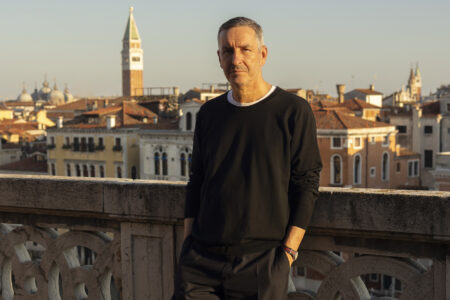
The Fondazione Dries Van Noten opens its inaugural exhibition “The Only True Protest is Beauty”, on April 25th. Curated by Dries Van Noten with Geert Bruloot, the presentation explores craftsmanship as a language of expression and a conduit for emotion. Marie Honnay spoke to the designer ahead of the event.
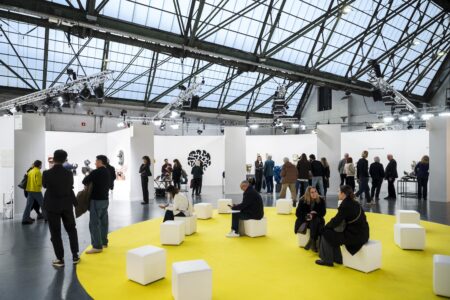
The third edition of ceramics brussels runs from January 21-25, 2026 at Tour & Taxis and features 75 Belgian & international galleries.
Dries Van Noten and Patrick Vangheluwe to open the Fondazione Dries Van Noten, a cultural non-profit dedicated to craftsmanship in Venice.
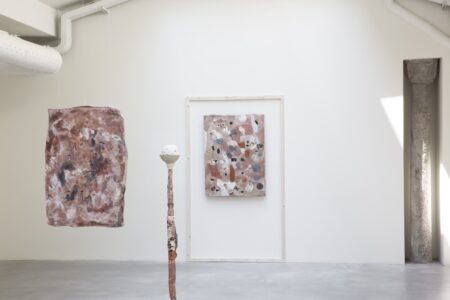
The Fondazione Officine Saffi presents the first solo show of work by Greek-born artist Chryssa Kotoula. We Are Walking, Talking Minerals opened on July 8th and is on view through August 1, 2025.