


Jörg Bräuer: Timeless Scenes
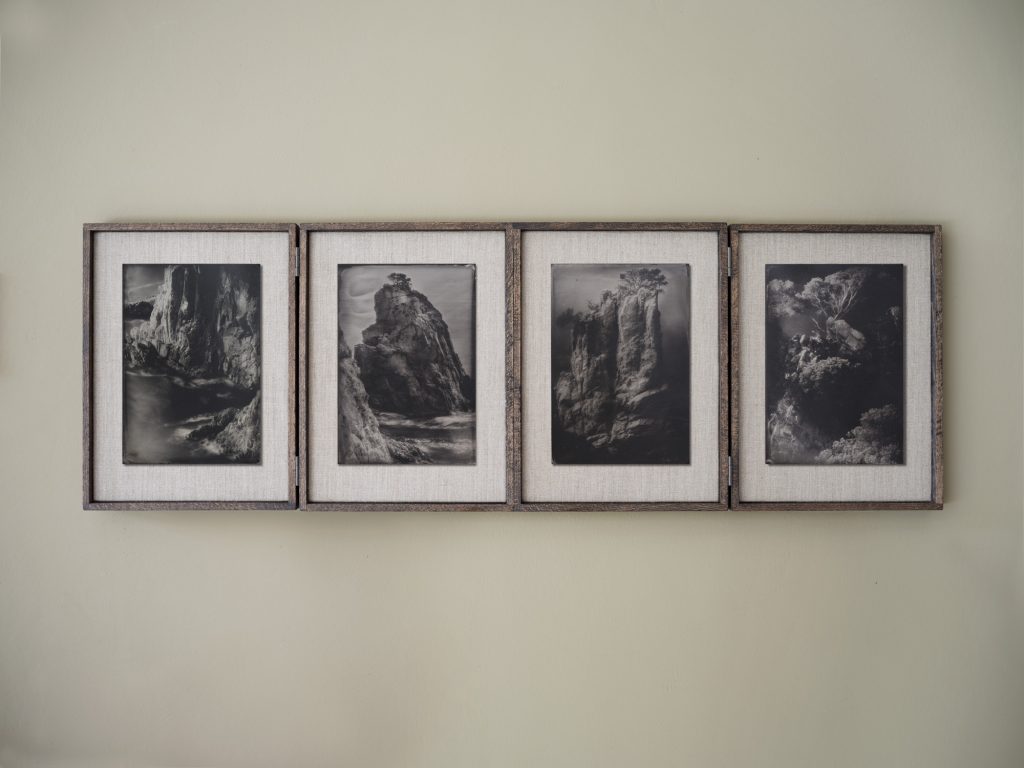
German photographer Jörg Bräuer creates evocative landscape scenes. Monolithic, mountainous and textured, the classical black and white images carry allusions to the passage of time, the weight of place and history.
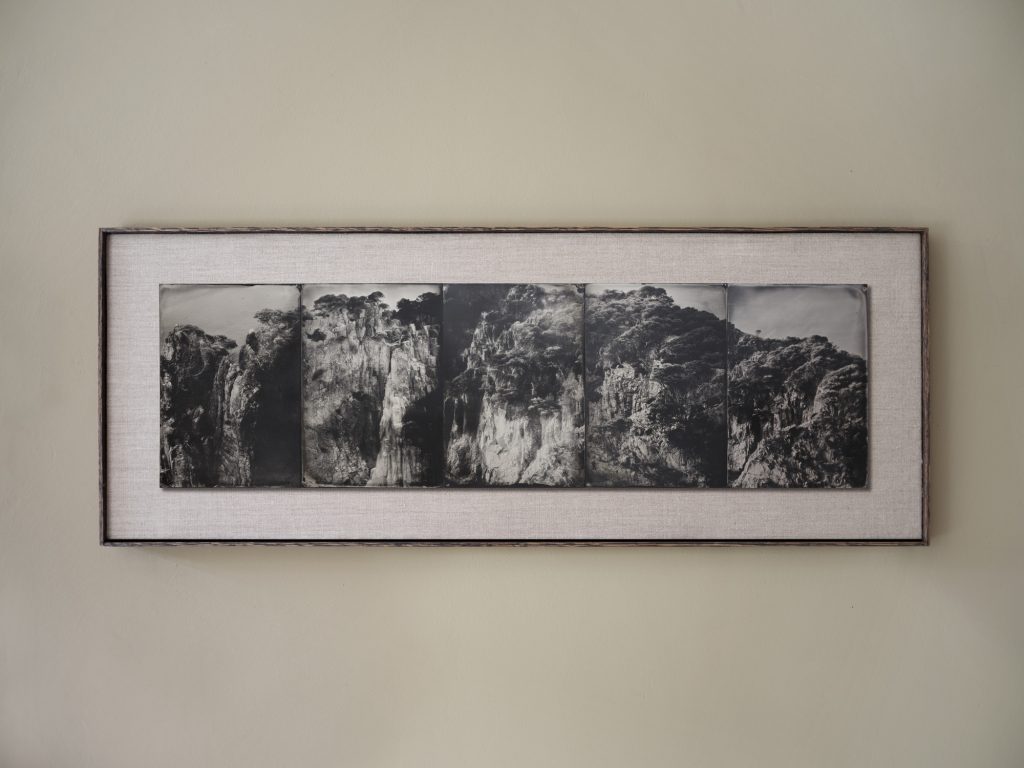
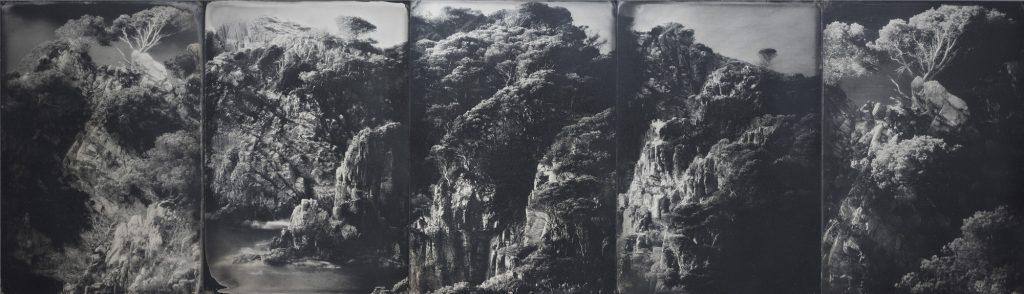
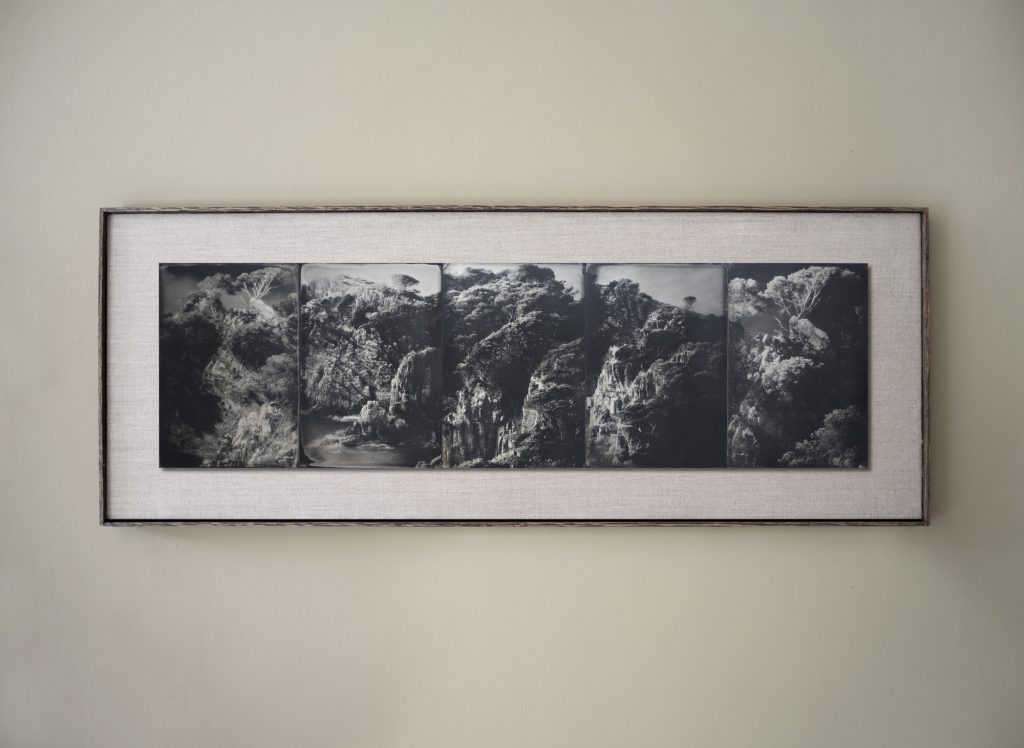
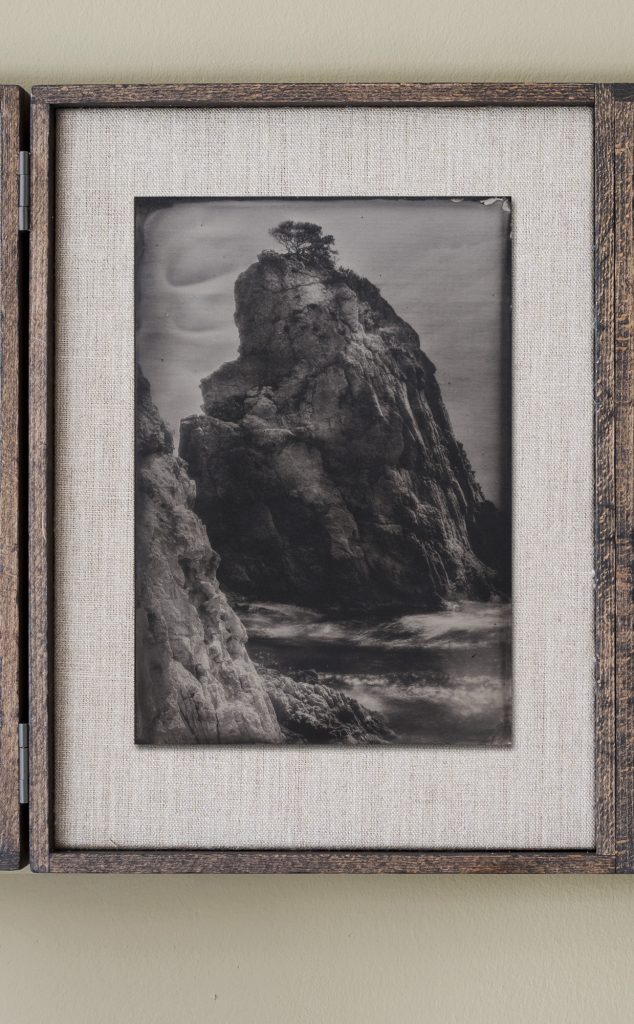
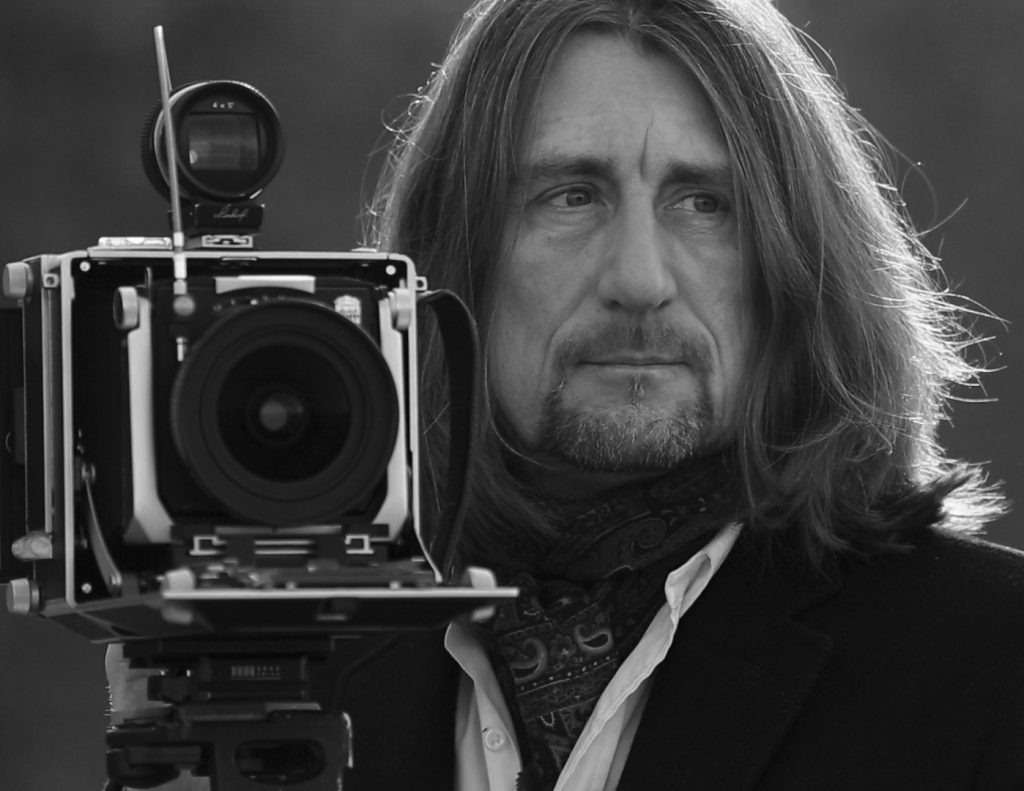
German photographer Jörg Bräuer creates evocative landscape scenes. Monolithic, mountainous and textured, the classical black and white images carry allusions to the passage of time, the weight of place and history. The photographer utilises collodion printing, lending his works an intimate, handcrafted sensibility that contrasts with the monumental subjects of his photographs. TLmag speaks with Bräuer about the technique behind his works, his perception of time, and the beauty of imperfection.
TLmag: What is it you look for in a landscape? What are you drawn to?
Jörg Bräuer (JB): The quality of light that exposes a particular surface.
TLmag: How do you choose the printing process or presentation format for an image? What interested you in the process of wet-plate collodions?
JB: By using the technique of collodion, I reduce the photograph to its essential components: light, contrast, framing, b&w, etc. The collodion process, as I use it, unites the contemporary and the classical worlds of photography. I use a modern medium format camera to take my photographs in the field. After this, the plates are made in the darkroom. A special full-size negative used, which I prepare and print myself. Together with collodion master and friend Silvano Magnone, I expose and develop the photograph by contact method to each plate. This is done by hand, one by one, and can take time. This method took us about five years to research and bring to perfection — the way we do it is entirely unique. It gives me the liberty to choose any type of subject and bring it into the timeless world of a collodion. This includes the errors, imperfections and beauty that detail the handmade photography process.
TLmag: When do you know you have a strong image?
JB: I know it’s strong when the image can live alone, and I am detached from it. I can come back and keep “reading” into it, even after years.
TLmag: What is it that you are seeking to explore or depict through your ‘The Dissolution of Time’ series?
JB: With ‘The Dissolution of Time’, my thought is that our perception and use of time might be insignificant. When I observe these giant mountains of volcanic origin, which were shaped 10-16 million years ago and still remain active, I almost perceive them to be modern shapes. They impose another dimension onto their surroundings, and they have a feeling of an abstract music-like composition which, to me, is infinite.
TLmag: Beyond the emphasis upon nature or natural forms, do you see a connection between your different works or series?
JB: My subject is about the perception of the alteration of matter. This can relate to time, caused by either nature or humans. The aesthetic that is particular to each subject is what interests me: the imperfection, decay, “violence”, construction and deconstruction that renders the statement of a special beauty.
TLmag: For you, what is it about nature that lends itself to an observation or investigation of larger themes?
JB: It is both the element of surprise in nature, which is infinite and not to be controlled, and the moment I connect with a specific place and I sense that I am a part of it. This might be through a particular light or ambience, and it requires a certain sensibility. I have specific ideas in my mind and when a moment arrives and my outside world connects to these ideas, then we are able to start a new journey.

Articles you also might like
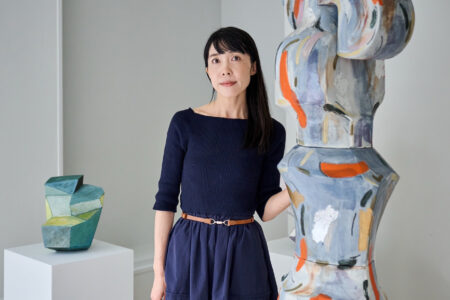
TLmag interviewed Japanese ceramic artist Chisato Yasui after the opening of Monad, an exhibition of her ceramic sculptures at Spazio Nobile Studiolo. The exhibition is on view through November 15th. This interview has been edited and condensed.
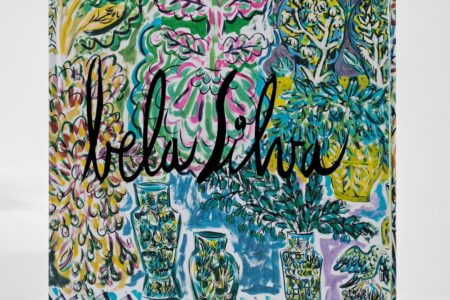
A new artist monograph co-published by Flammarion and Spazio Nobile Gallery invites readers into the captivating world of Bela Silva, the renowned Portuguese contemporary artist and ceramist who is redefining the boundaries of ceramic art. Two book signings are taking place this fall in Paris and Brussels.
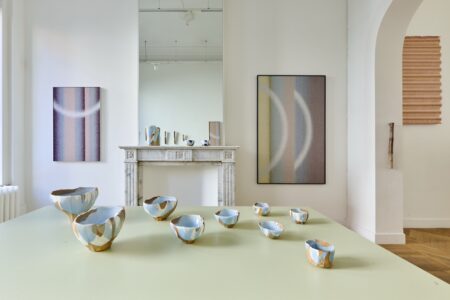
Japanese craftsmanship and contemporary creation on are display in Echoes of Wa, a poetic exhibition at Spazio Nobile that features work by Mae Engelgeer & Japanese Master ceramicist Matsubayashi Hosai XVI.
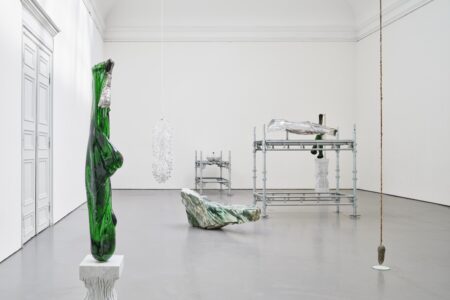
The Bittersweet is a solo show by Åsa Jungnelius at The Royal Academy of Fine Arts in Stockholm. The exhibition is on view between August 22-October 3, 2026.