

Kaihō: Japanese Women Artists after 1945
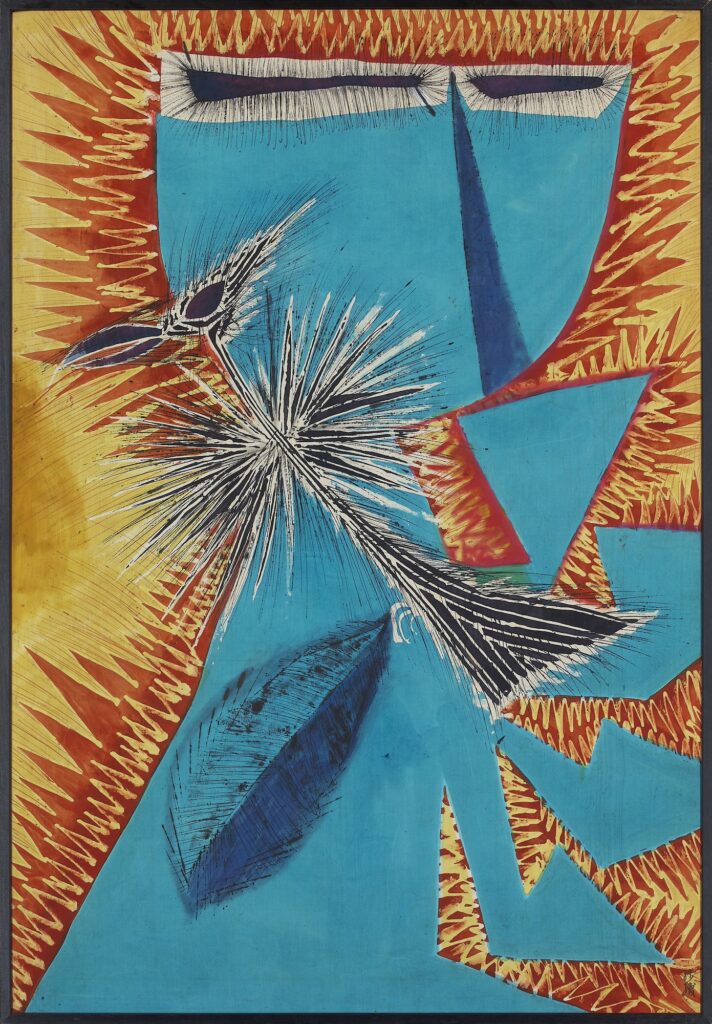
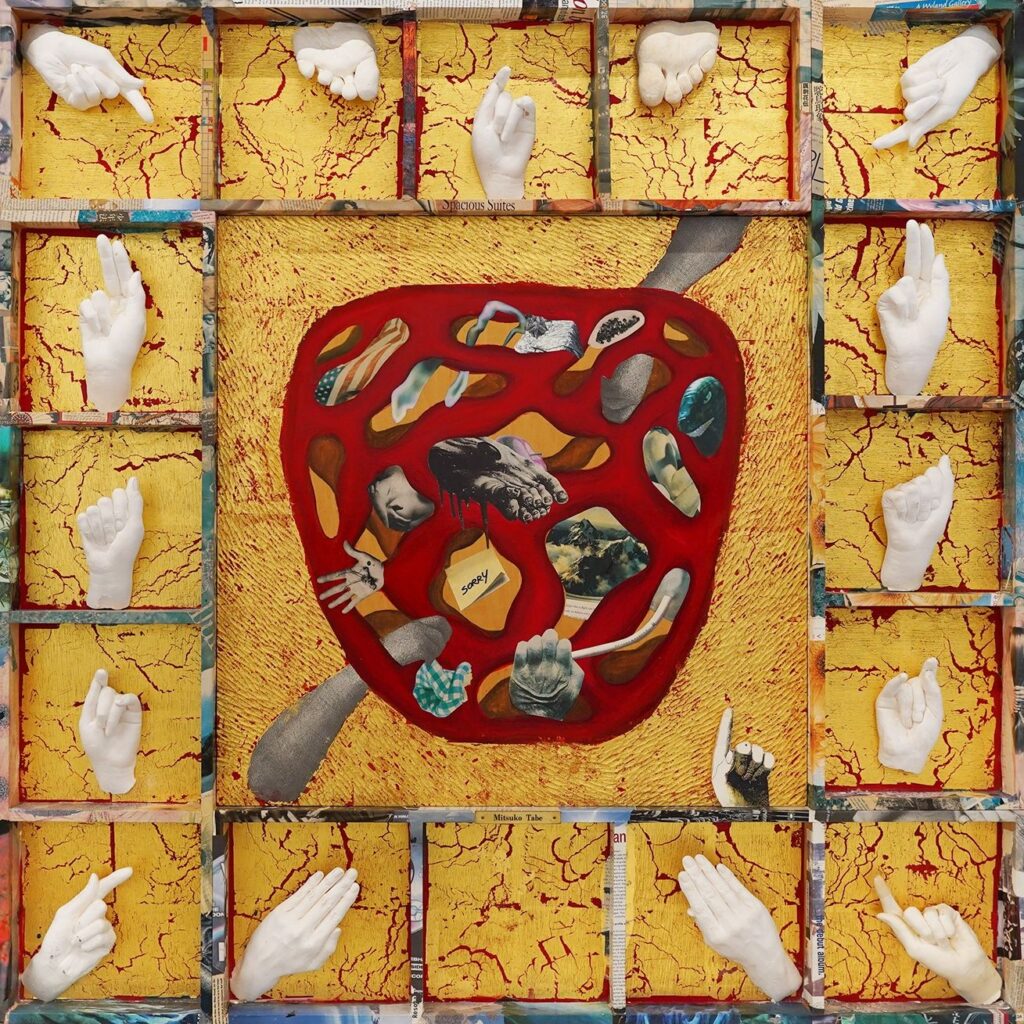
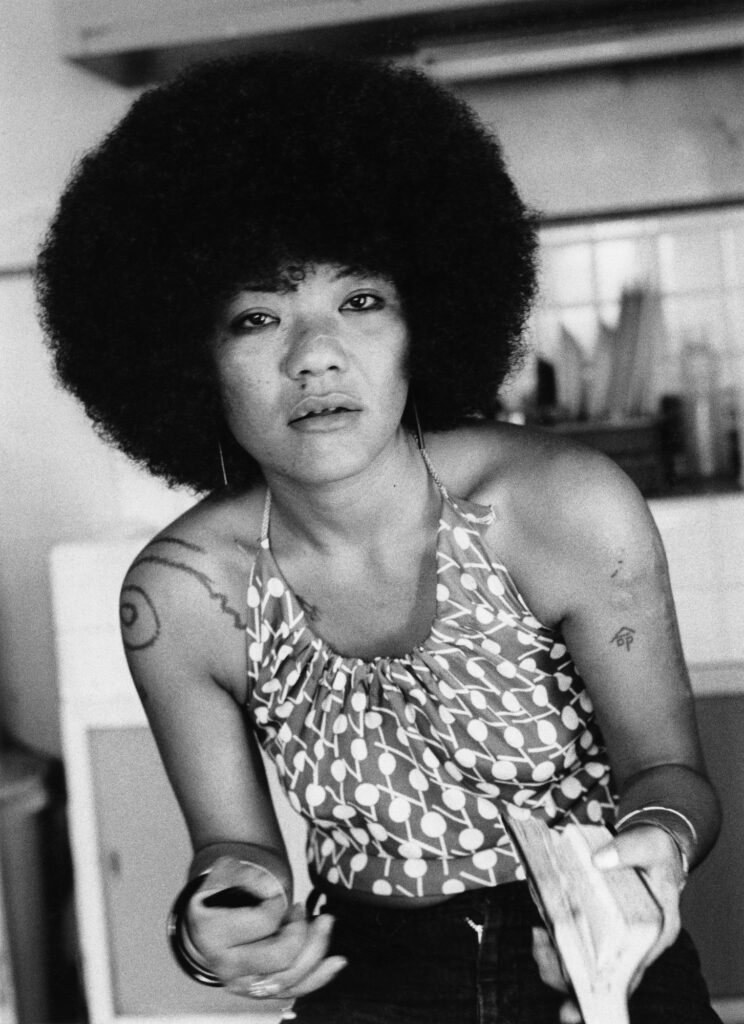
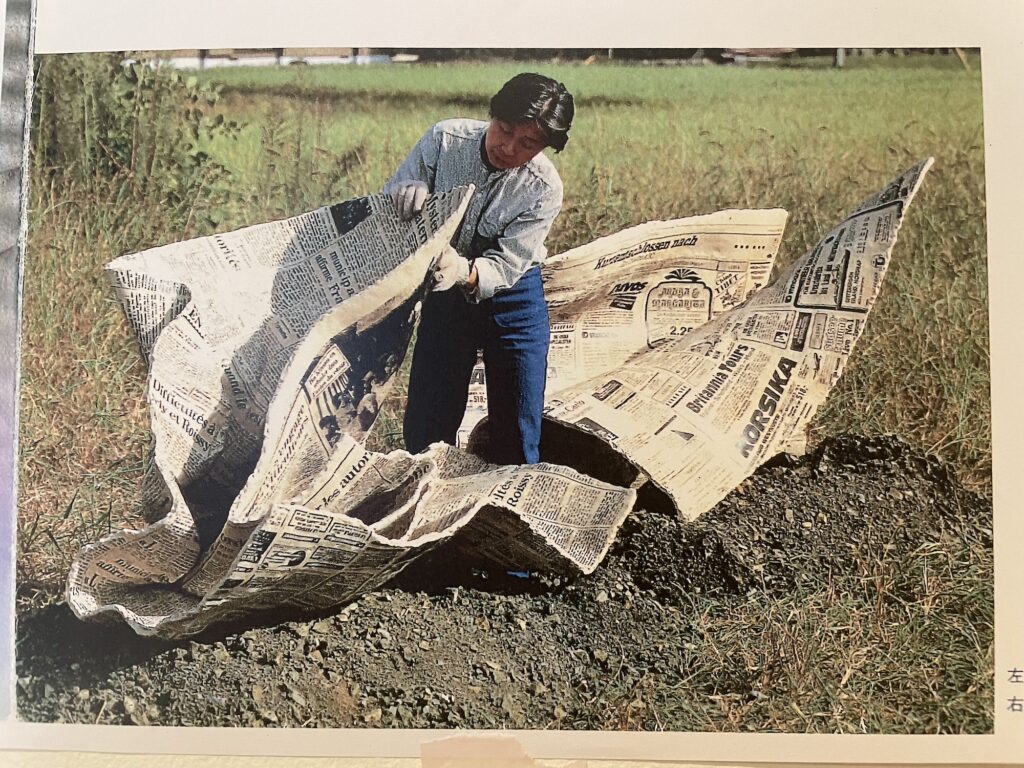
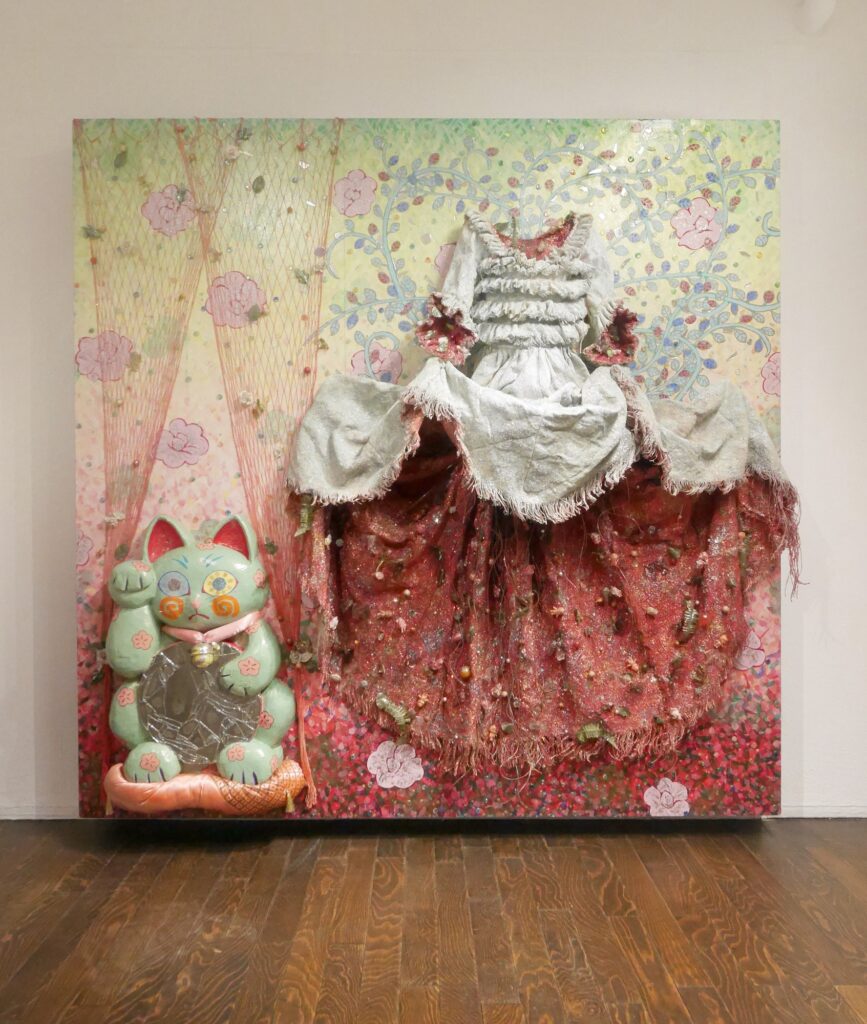
Kaihō, which translates as “breaking free” is the title for a groundbreaking exhibition that features work by 39 Japanese women artists who made their careers in the post-World War II era. Working in Japan and the diaspora, from conceptual art to performance to abstract painting, the show is an insightful and long overdue look at a group of innovative, boundary-pushing and free-thinking artists.
Mudam Luxembourg is staging the first exhibition in Europe devoted to women artists from Japan. Kaihō: Japanese Women Artists after 1945 takes its title from a Japanese word meaning “breaking free.” It brings together more than 120 works by 39 artists, from the postwar years to the turn of the twenty-first century, and revisits what the museum calls “a crucial yet often overlooked chapter in art history.”
The show follows artists in Japan and across its global community, in Asia, Europe, the United States and Brazil. It argues that these were transnational careers that unsettle fixed ideas of national identity and Western-centric art histories. Artists such as Toshiko Takaezu, Yoko Ono, Ruth Asawa and Tomie Ohtake appear alongside lesser-known figures, some of whose works have rarely been seen outside Japan.
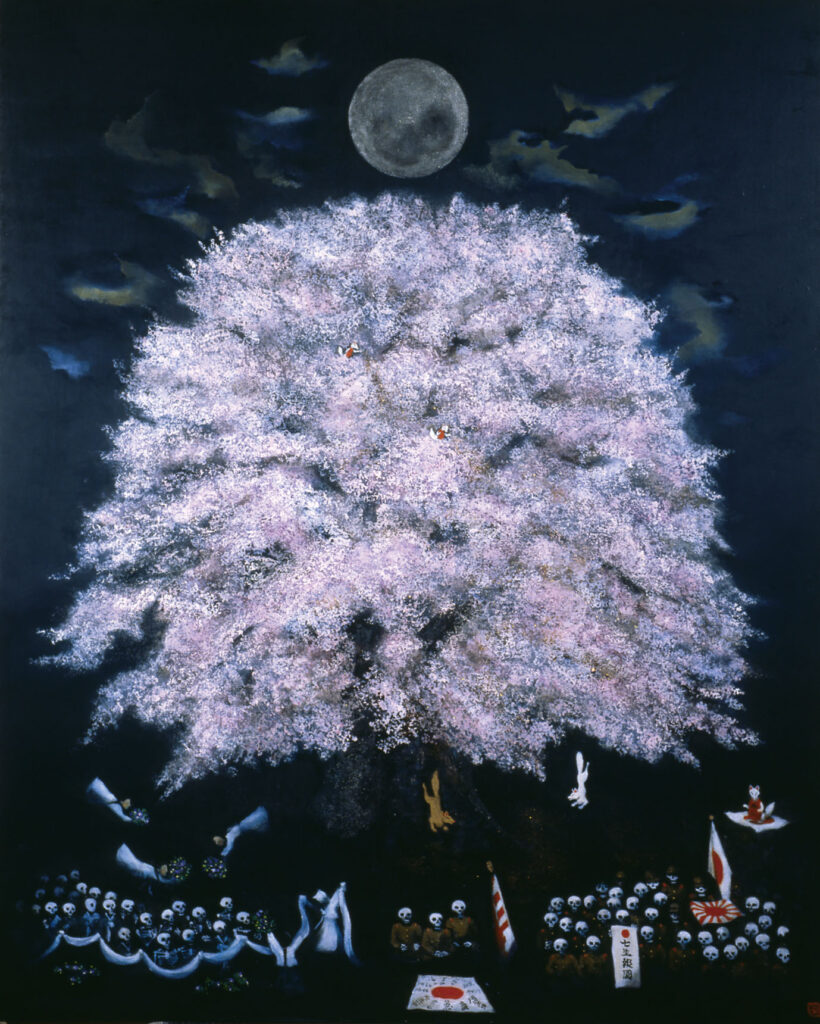
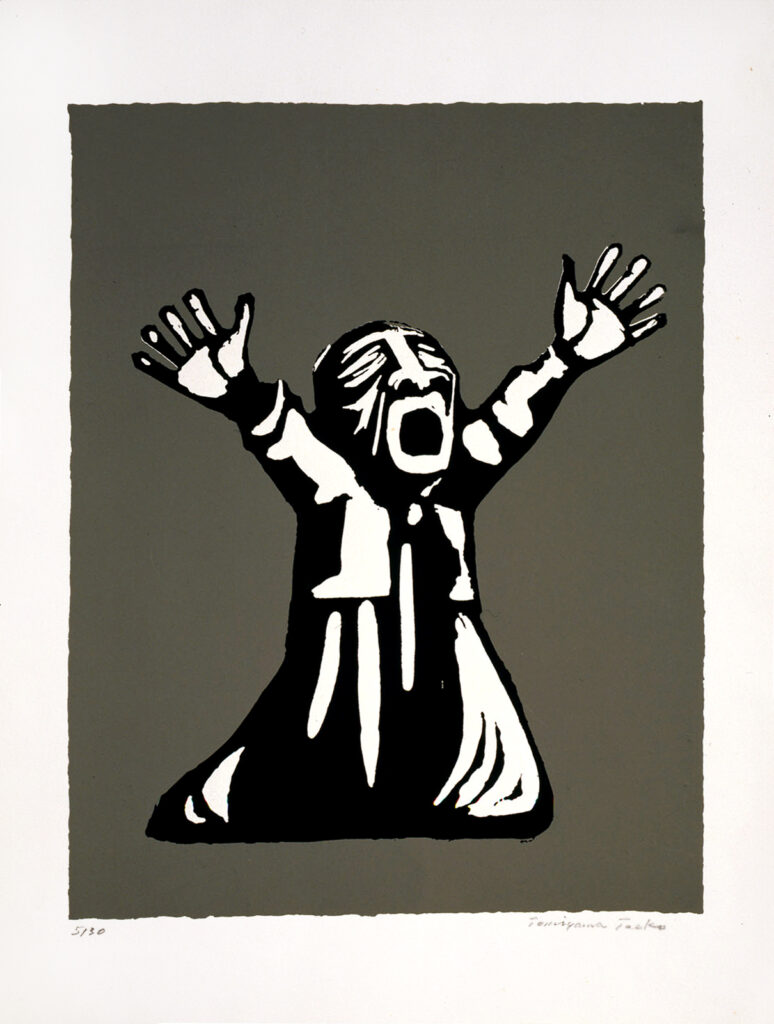
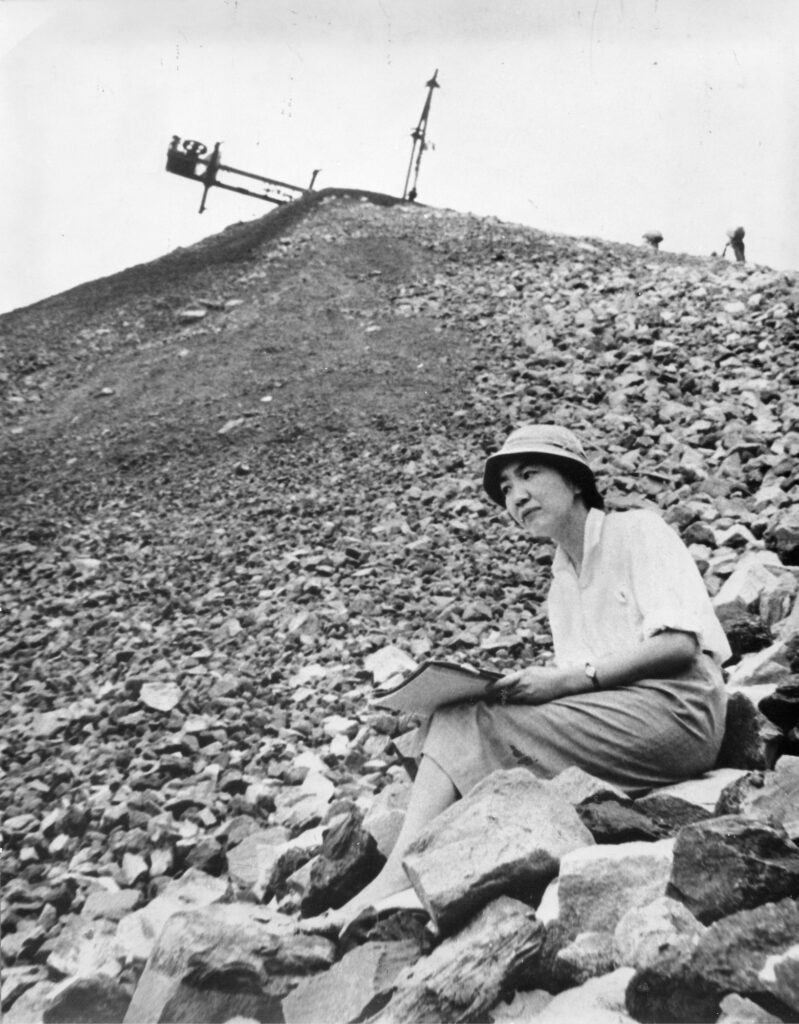
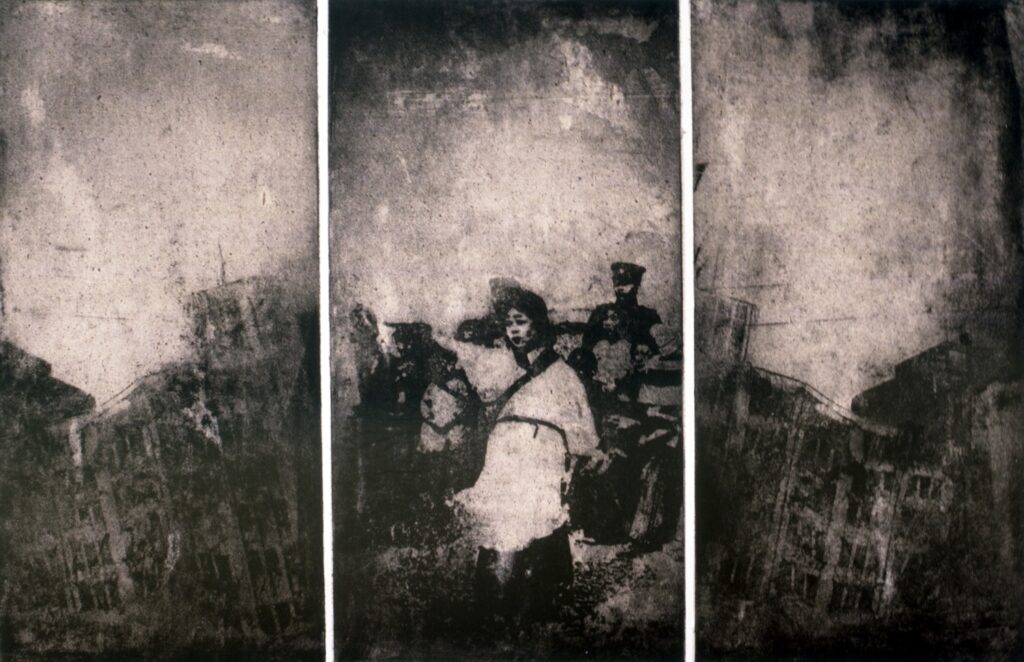
The exhibition is broken down into a series of chapters that define a certain era or movement, and begins with a ‘prelude’ of rare 1955 portraits from Saori Akutagawa’s Women series that sets the scene for a postwar moment of new democratic aspirations. The first chapter, Witnessing History, opens with an exceptional loan of Toshi and Iri Maruki’s 1950 Hiroshima Panel. It is shown in dialogue with Mao Ishikawa, Taeko Tomiyama and Yoshiko Shimada, whose work confronts the entangled histories of gender, war and national memory.
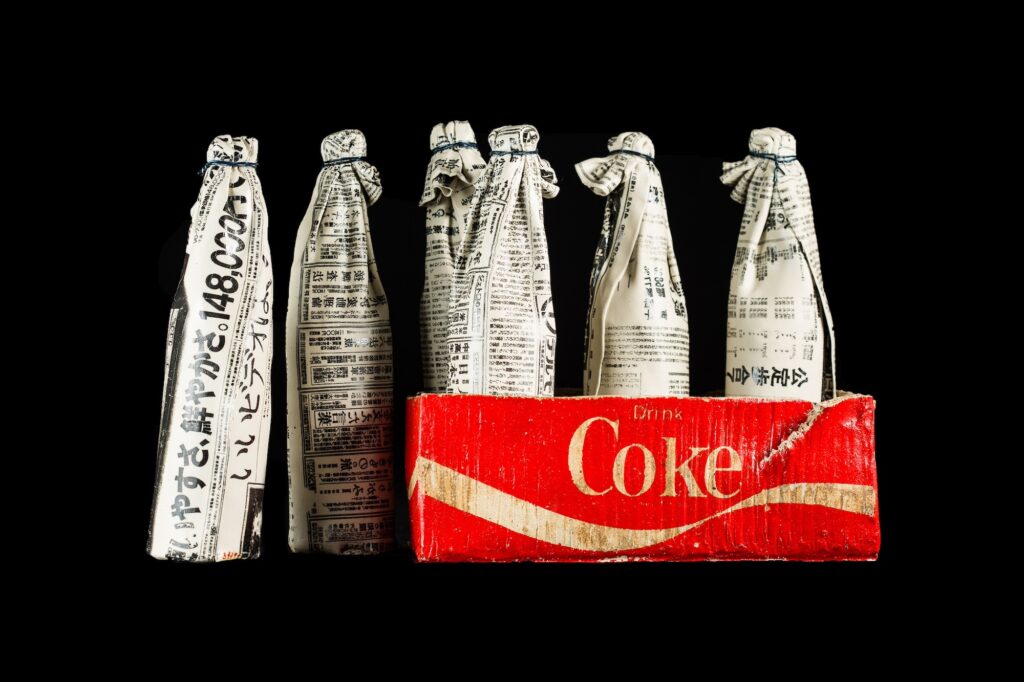
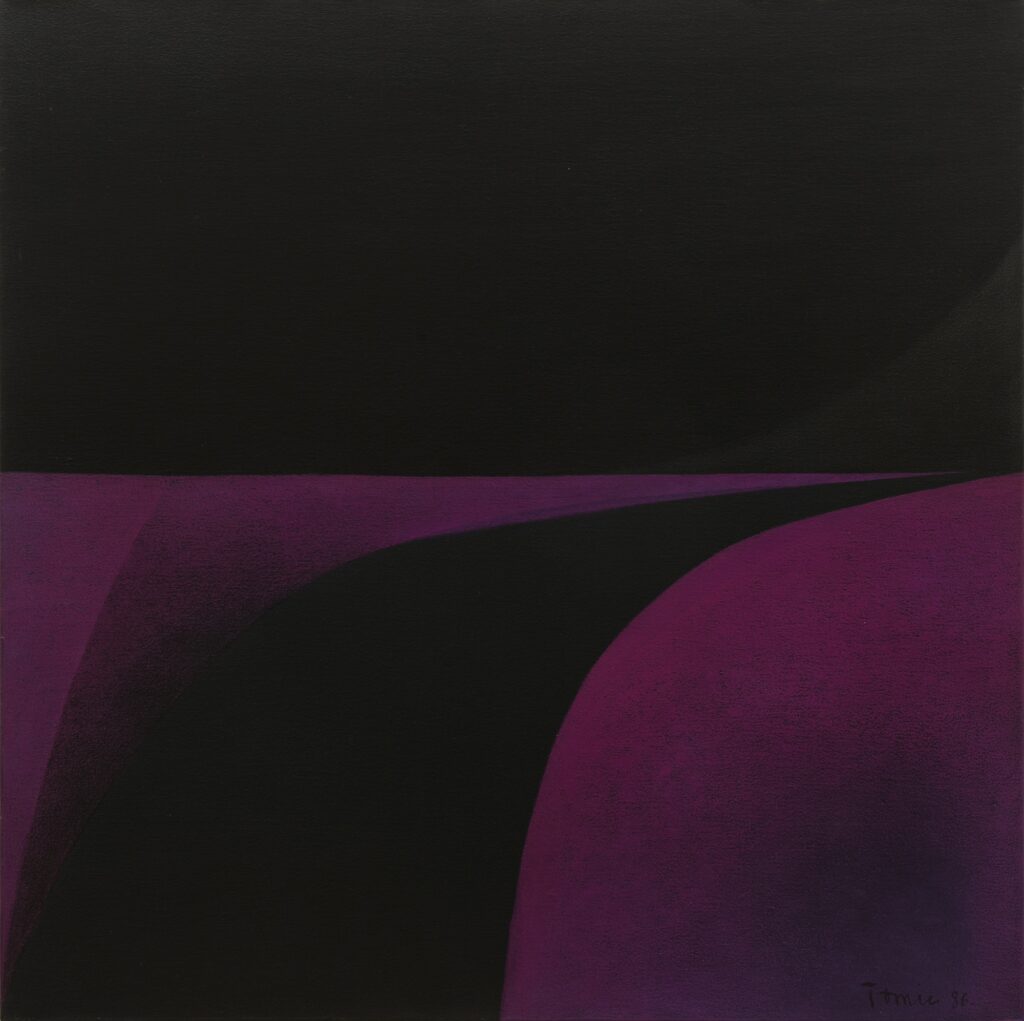
New Abstraction turns to the industrial boom of the 1950s and 60s. It features Atsuko Tanaka’s large concentric-circle paintings, which evoke electrical currents and interconnected circuits, and metal sculptures by Tsuruko Yamazaki and Minami Tada. Their work is placed alongside the abstract practices of Ohtake in São Paulo and Shizuko Yoshikawa in Zurich. Do It Yourself follows, rooted in the Fluxus exchanges between Tokyo and New York. It puts participation at the centre through instruction-based works by Ono, Mieko Shiomi and Takako Saito, some of which visitors can activate daily in the Grand Hall and the Jardin des Sculptures.
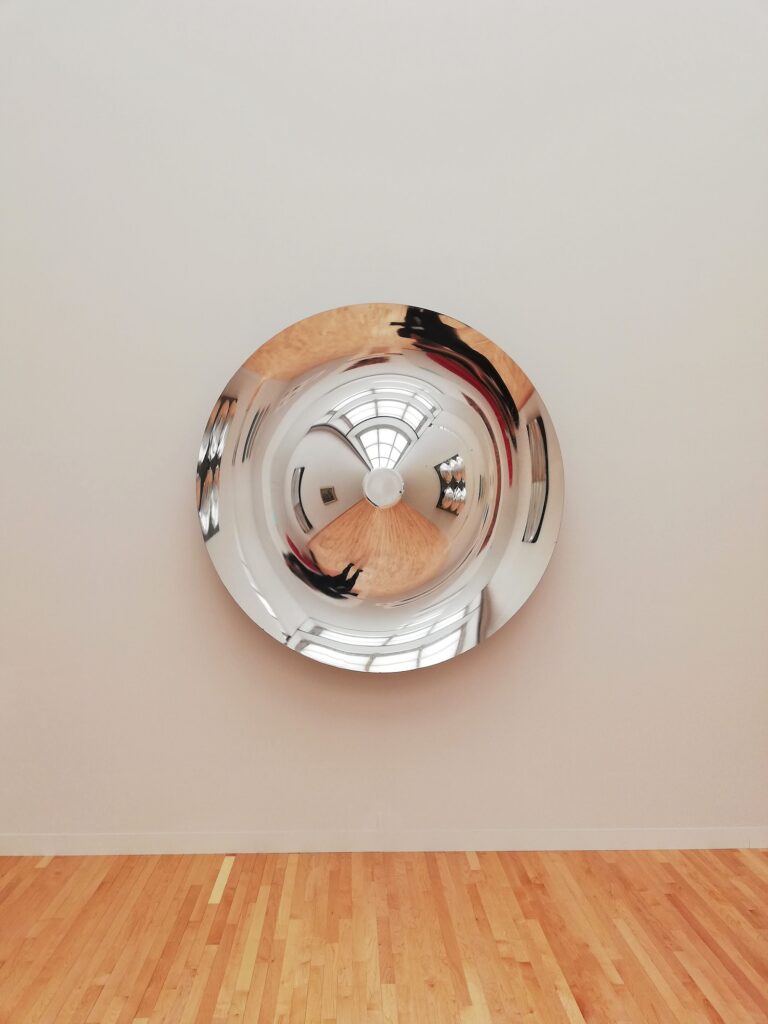
Self-Discovery considers how Tāri Itō, Sayako Kishimoto and Mako Idemitsu used photography, performance and video to explore gender, femininity and cultural identity. The exhibition ends with Environmental Consciousness, which pairs Shigeko Kubota’s media fountain Niagara Falls I (1985–87) with Toshiko Takaezu’s ceramic Moon series and Kusama’s mirrored Infinity Room: Fireflies on the Water (2000).
The exhibition is curated by Florence Ostende, now at Guggenheim Museum Bilbao and formerly of Mudam, with Yurika Imaseki and Anaël Daoud. It draws on major loans from institutions including the National Museum of Modern Art, Tokyo, MoMA, New York, and Tate, London. A 320-page Phaidon publication accompanies it. A public programme runs alongside the show, with curatorial tours, “One hour with…” sessions on Kusama and Ono, and family and youth workshops.
Kaihō: Japanese Women Artists after 1945 is on view at Mudam Luxembourg, 25 September 2026 – 14 February 2027. After Luxembourg, the show travels to Lenbachhaus Munich (20 March – 5 September 2027) and Guggenheim Museum Bilbao (8 October 2027 – 5 March 2028).

Articles you also might like
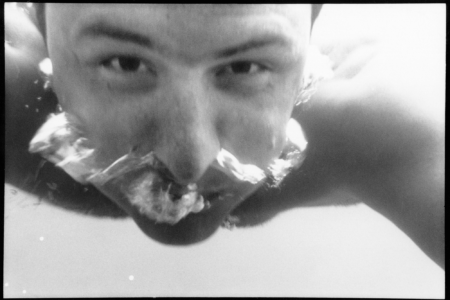
For TLmag41: The Art of Collecting, Simon de Pury spoke to Jean Pigozzi about his gift for throwing such legendary parties, his obsession with collecting art, most recently contemporary Japanese Art, and how he is essentially the inventor of the selfie.
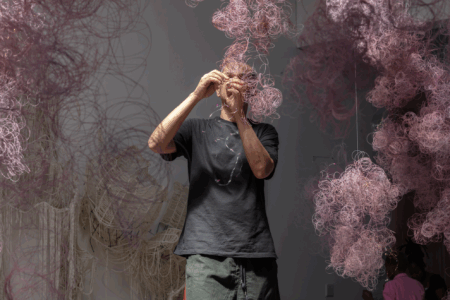
Mudam Luxembourg presents Igshaan Adams: Between Then and Now, a comprehensive exhibition that traces the South African artist’s distinctive practice, one that is shaped by care, healing and community. The exhibition is on through August 23, 2026.
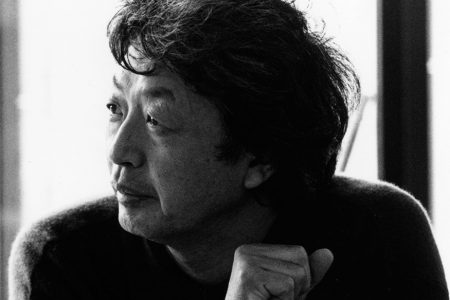
From November 18-January 28, 2024, the Setagaya Art Museum presents a retrospective exhibition of legendary Japanese designer Shiro Kuramata.
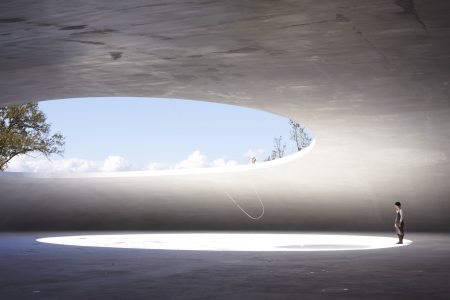
For TLmag36: All is Landscape, Bas Smets interviewed Japanese artist Rei Naito, whose subtle and almost illusive work has inspired him for years.