


Vladimir Kagan Tribute: Carpenters Workshop Gallery
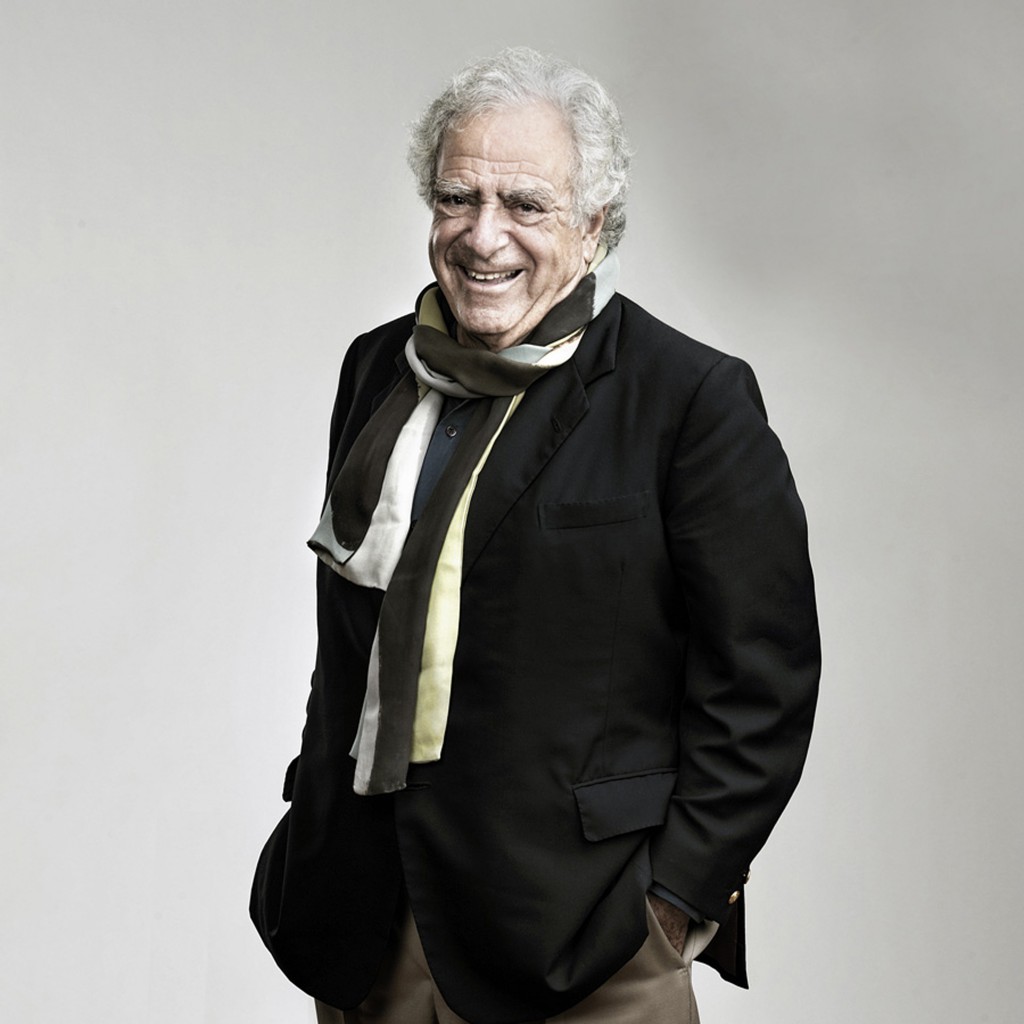
Famous for his sinuous-lined wooden furniture and eclectic take on Mid-Century Modern principles, Vladimir Kagan helped define American design for over seven decades. Born into a family of Russian cabinetmakers, the German-born, New York-based icon made his mark with such notable projects as the 1950 Delegate’s Cocktail Lounge at the United Nations, numerous corporate interiors and projects developed for Hollywood’s star-set. His early wrought iron collections garnered him a symbolic 1949 Good Design Award from the MoMA. Establishing his firm, showroom and teaching career, Kagan became a mainstay throughout the late twentieth-century. In 1997, Gucci introduced the designer’s Omnibus collection in its 360 global flagships. In 2001, he designed the Bombay Saphire Martini Glass. Having passed away earlier this year, Kagan’s legacy lives on.
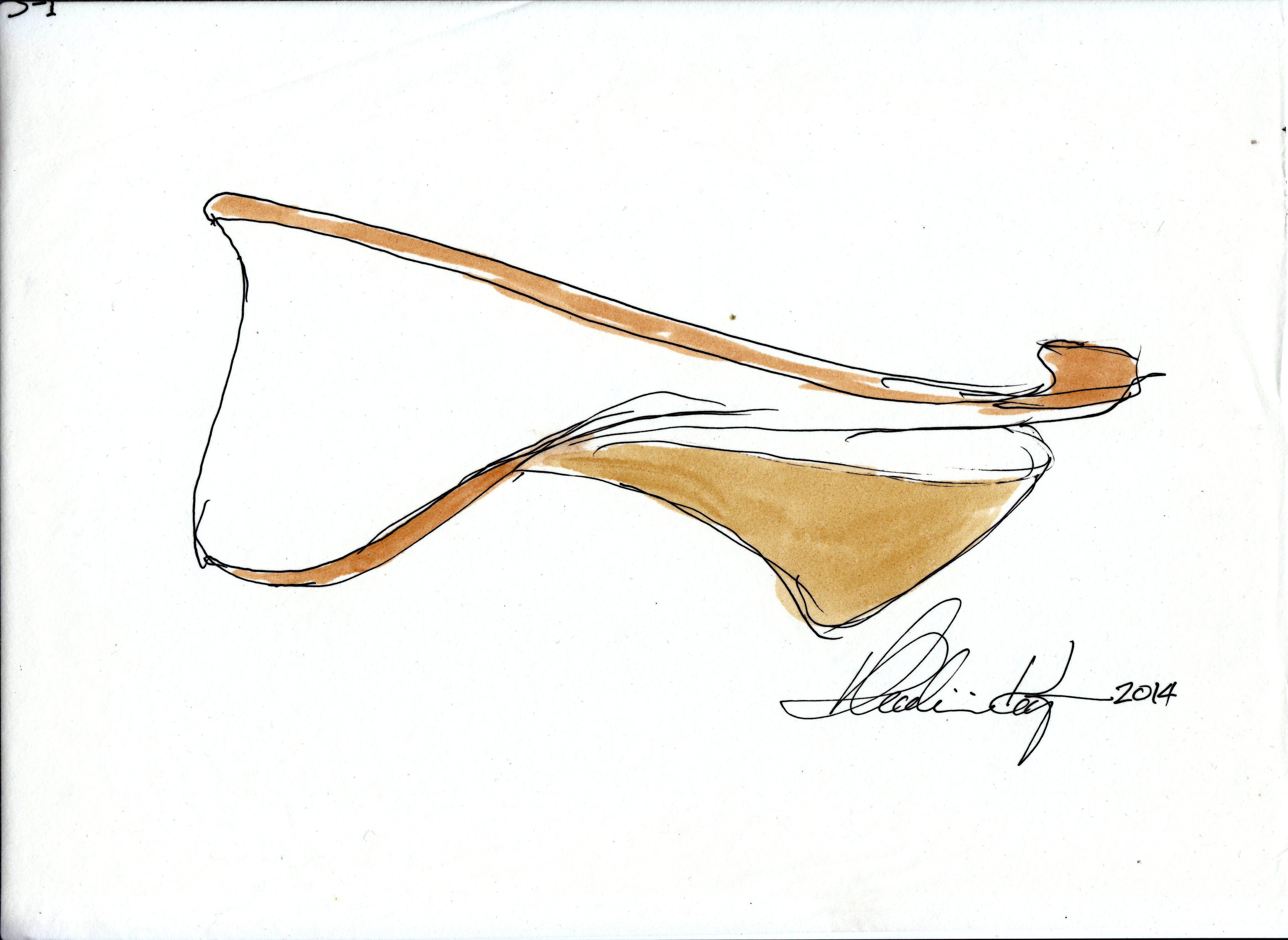
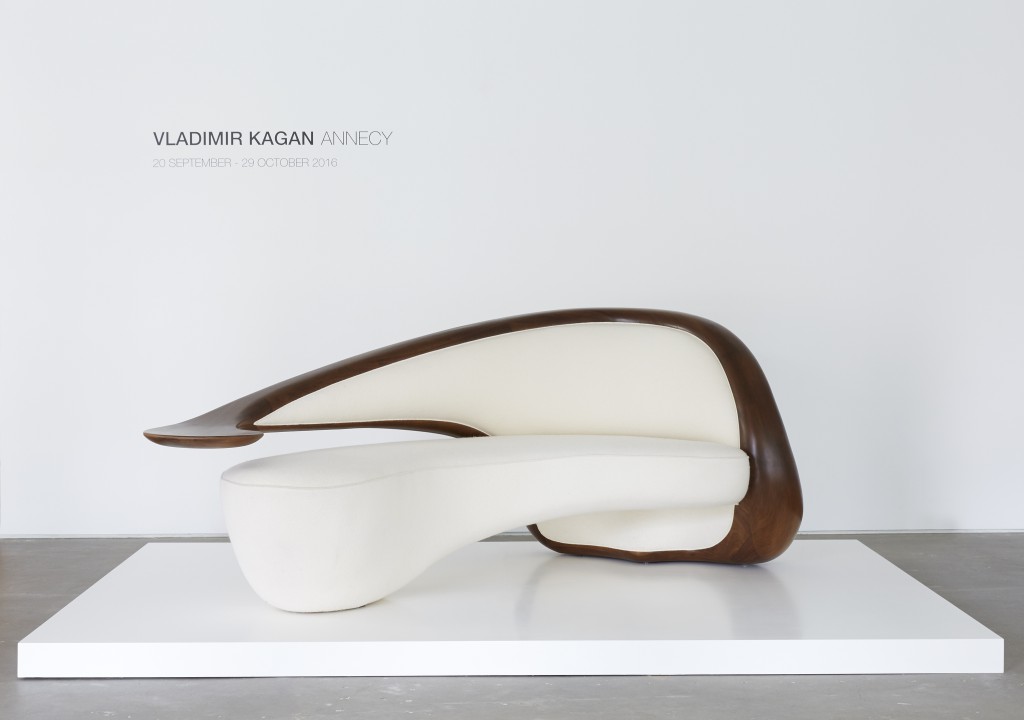
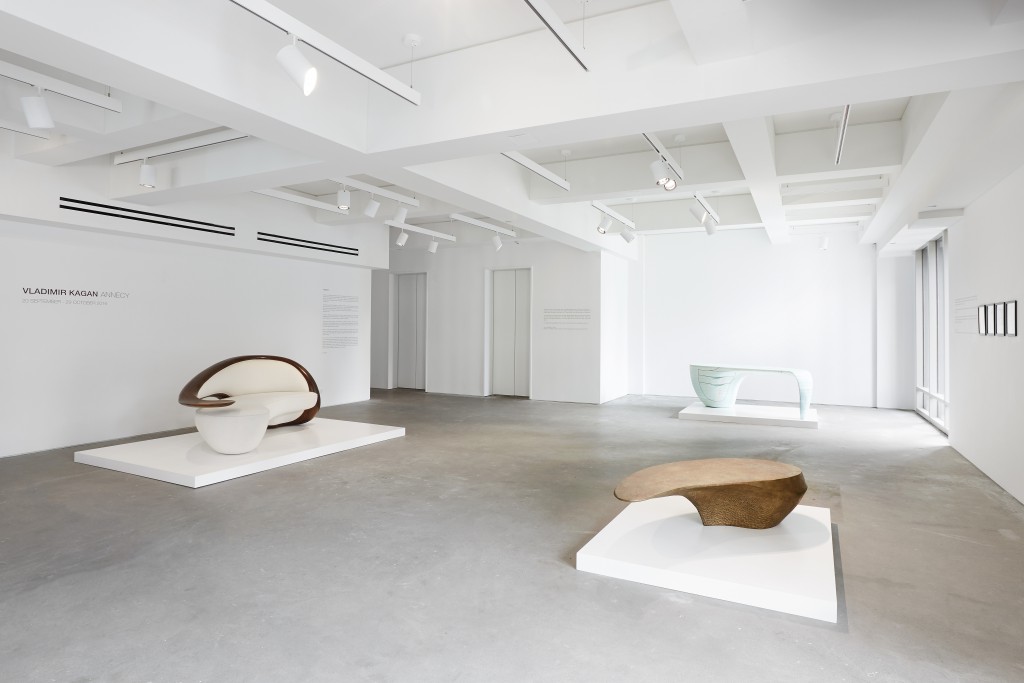
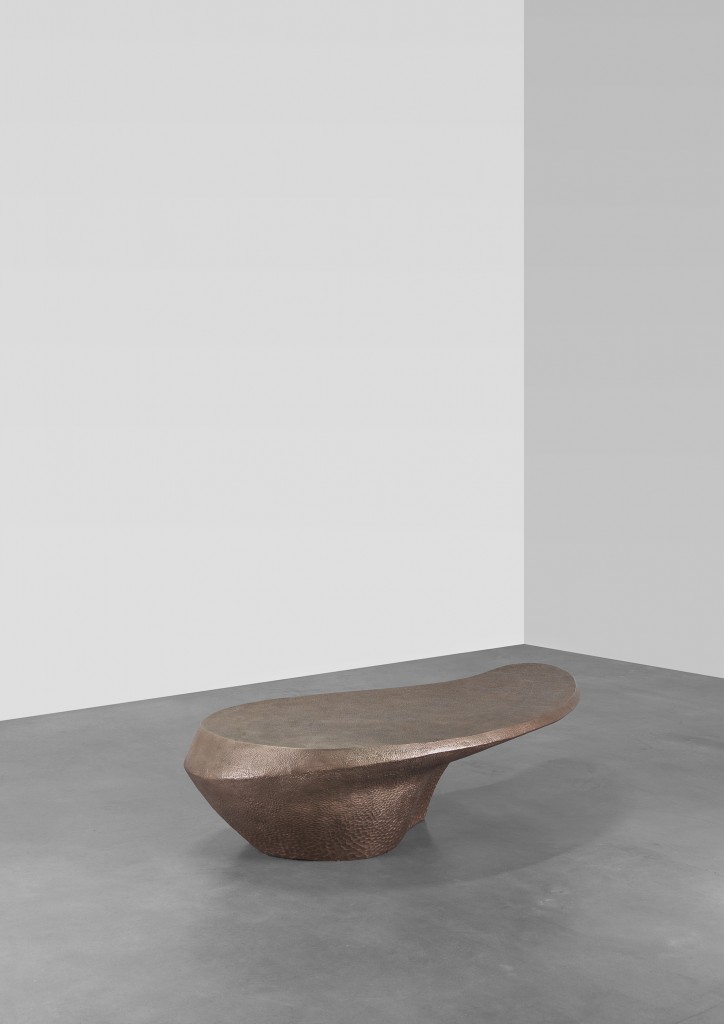
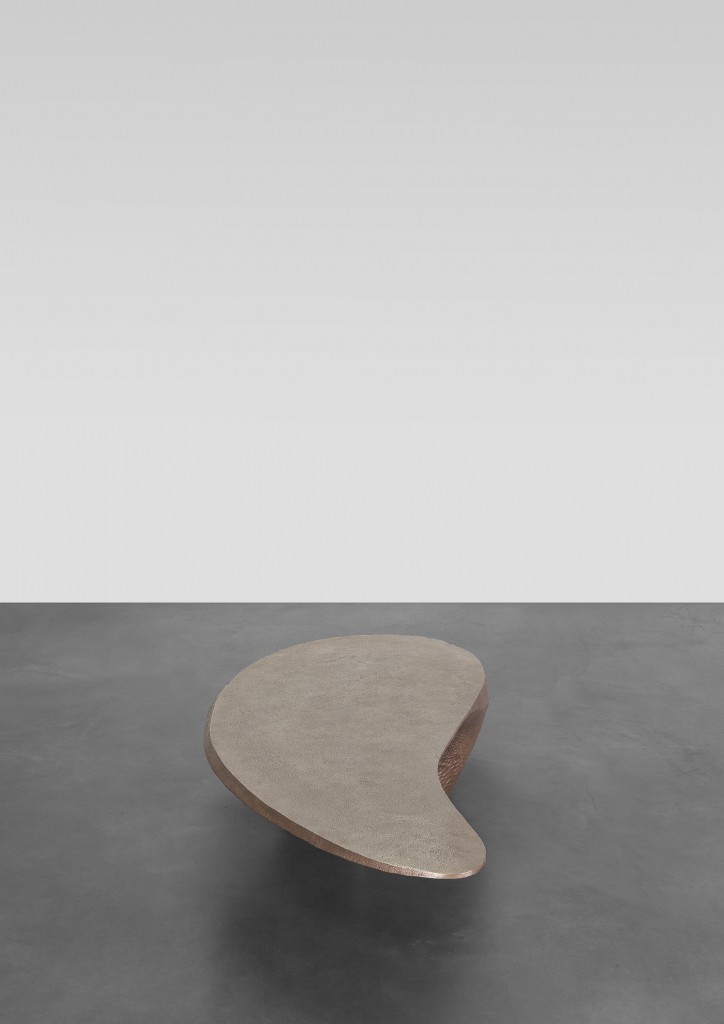
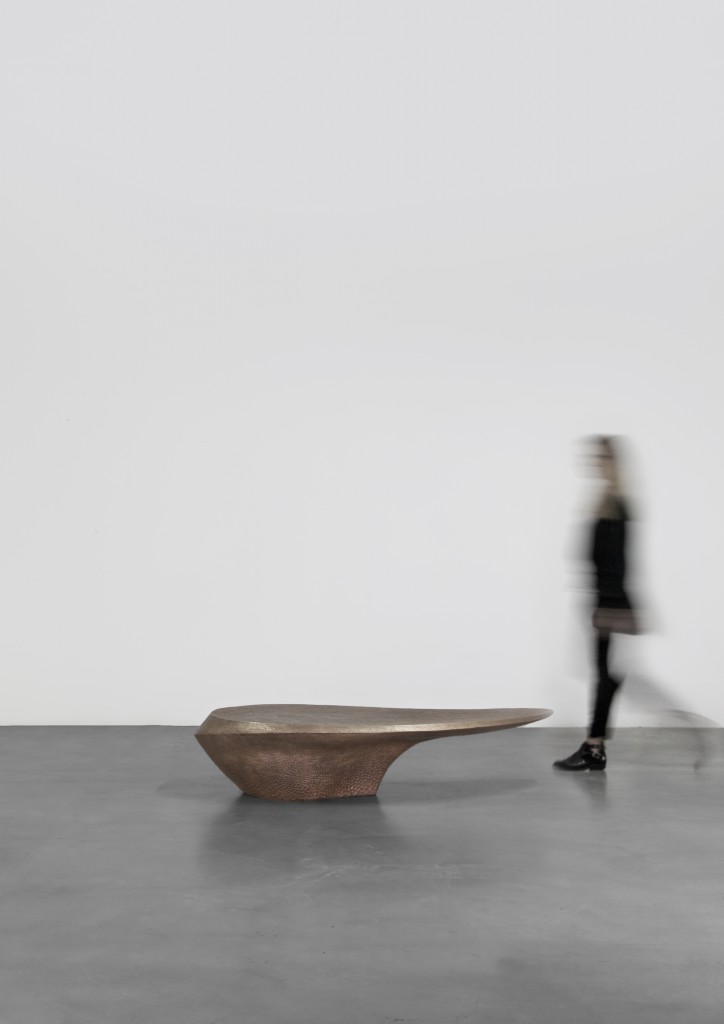
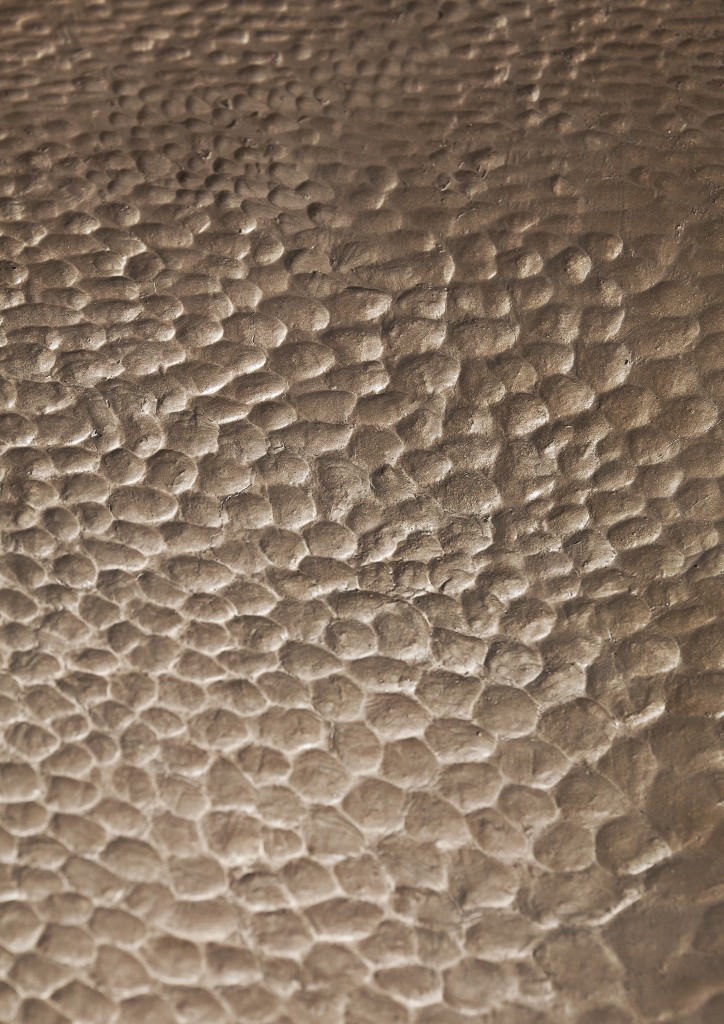
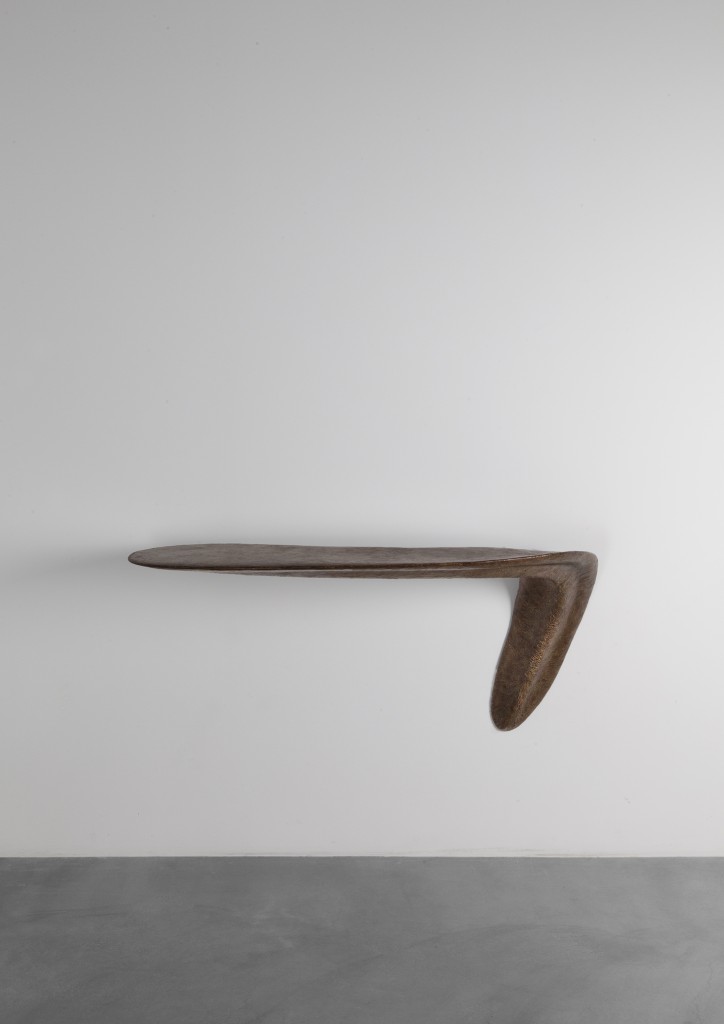
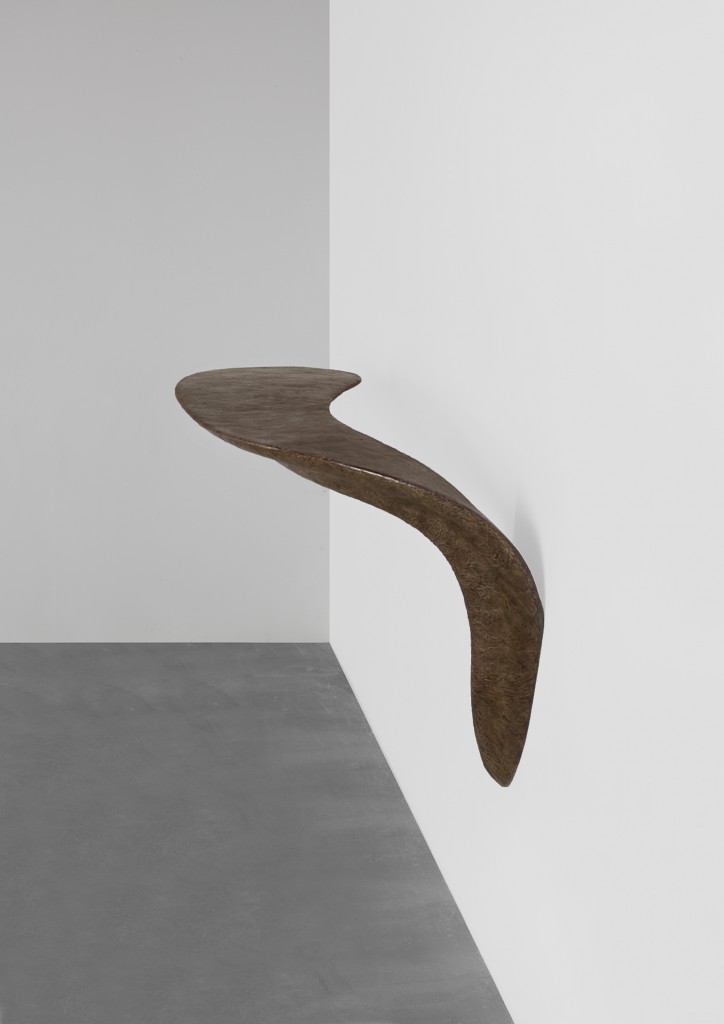
Paying tribute to the giant, Carpenters Workshop Gallery dedicates an entire floor of its New York space for a special retrospective, on show till 29 October. Named for his second youngest grand-daughter – a tradition employed by Kagan for numerous collections – Annecy features a trifecta of sofa, low table and console, developed in close collaboration with the gallery. As the icons last-cum-unfinished series, the limited edition furniture reveals his continued exploration of new forms, materials and reinterpreted classics. Spotlighting the curvaceous character of these design, the exhibition also showcases the scale maquette of an unfinished prototype, archival materials, process drawings and quotes of adoration from contemporaries like Zaha Hadid.
“Kagan’s work is unique because, even to jaded modernist fans, it still has a wow factor – a potency and a flair that is new and fresh,” the recently-deceased architect, of repute in her own right, expressed. “I almost wish I could see his work with fifties eyes. The furnishings he made in the late part of that decade represented such a dramatic shift from the staid furnishings of earlier years – and their shapes were so daringly sensuous – that to put them in a Park Avenue apartment must have been shocking. But that’s why they’re still around. The designs that people either love or hate are the ones that end up defining a new era.”
Vladimir Kagan – Annecy
till 29 October
Carpenters Workshop Gallery
693 5th Ave. New York

Articles you also might like
The city of Como is transformed into a design destination for the 8th edition of Lake Como Design Festival, which takes place between September 12-20, 2026.
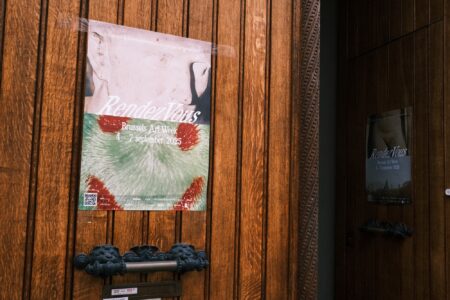
RendezVous – Brussels Art Week kicks off the city’s fall art season with nearly 100 participating venues across the city hosting events, exhibitions, and talks all weekend long.
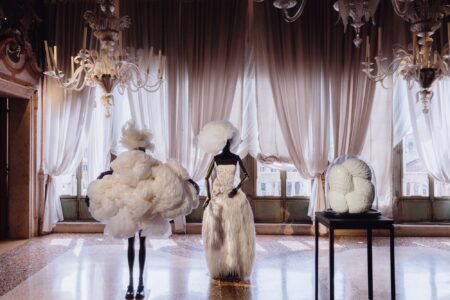
The Only True Protest is Beauty, Fondazione Dries Van Noten’s inaugural show at the Palazzo Pisani Moretta, is an illuminating presentation of contemporary fashion, design and craft that speaks to tradition, innovation and the power of art in all its senses. The show closes on October 4th.
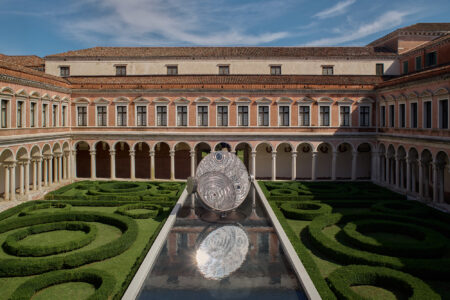
Between September 1- 30, Homo Faber: An Island of Light, presents its 4th edition at the Fondazione Giorgio Cini, featuring work by over 500 artists and a dynamic scenography by Es Devlin.